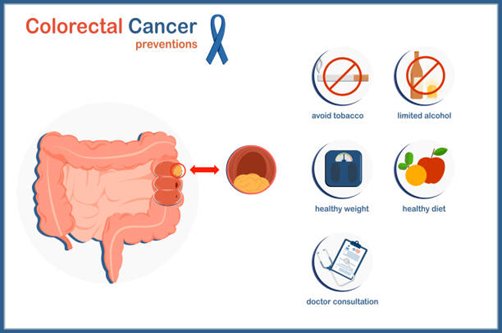
Colorectal Cancer: Symptoms, Screening, and Treatment Guide

Colorectal cancer is one of the most common types of cancer worldwide, affecting both men and women. It occurs in the colon or rectum, which are parts of the large intestine. As with many cancers, early detection is key to effective treatment. However, symptoms often do not appear until the disease is in later stages, which makes understanding the symptoms and screening guidelines especially important.

Dr. Sandeep Nayak, a leading surgical oncologist in India, emphasizes the importance of early screening and awareness. “Colorectal cancer is highly treatable if detected early. Regular screening, especially for those at higher risk, can significantly improve outcomes.”

In this article, we’ll explore the early signs of colorectal cancer, its causes and risk factors, and the latest treatment options.

What Is Colorectal Cancer?

Colorectal cancer refers to cancer that begins in the colon or rectum. The colon is part of the large intestine, and the rectum is the last part of the colon. Most cases of colorectal cancer begin as polyps, which are small growths on the inner lining of the colon or rectum. Over time, some of these polyps can become cancerous.

The development of colorectal cancer is typically slow, which means it often starts with small, non-cancerous changes. As the tumor grows, it can spread to surrounding tissues or other parts of the body, complicating treatment. Early-stage colorectal cancer is more treatable, which is why early screening and detection are so crucial.
What symptoms should you look for when it comes to colorectal cancer? Let’s explore some of the common warning signs.

Signs and Symptoms to Watch For

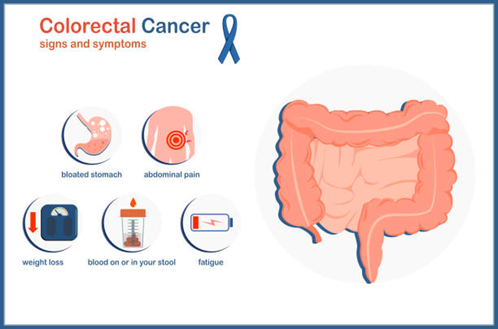
Changes in bowel habits

Persistent diarrhea or constipation, or a feeling that the bowel doesn’t empty completely, can be early warning signs.

Blood in stool

This could appear as bright red blood or dark, tarry stools, indicating internal bleeding.

Abdominal discomfort

Unexplained bloating, cramping, or pain in the abdomen may be a sign of colorectal cancer.

Unexplained weight loss

Losing weight without trying can be a symptom of several types of cancer, including colorectal cancer.

Fatigue

Feeling unusually tired or weak, particularly if it is unexplained, can indicate a serious underlying condition.

Nausea and vomiting

Persistent nausea or vomiting, particularly if it’s associated with other symptoms like abdominal pain, should be evaluated.

Iron deficiency anemia

This can result from internal bleeding and is often discovered through blood tests during routine screenings.
u

Need Assistance?

Noticing any of these signs? Connect with a specialist for early diagnosis and intervention.

What causes colorectal cancer, and what risk factors increase your chances of developing it? Let’s break it down.

Causes and Risk Factors

“Colorectal cancer occurs due to genetic mutations that cause the cells in the colon or rectum to grow uncontrollably. These mutations may result from a variety of factors, including lifestyle, genetics, and environmental influences,” explains Dr. Sandeep Nayak, a well-known cancer specialist in Bangalore.

Some common risk factors for colorectal cancer include:

Age

The risk increases with age, particularly after 50.

Family history

Having a close relative with colorectal cancer increases your risk.

Diet

A diet high in red or processed meats and low in fiber can increase risk.

Sedentary lifestyle

Lack of physical activity can contribute to an increased risk.

Obesity

Being overweight increases the likelihood of developing colorectal cancer.

Smoking and heavy alcohol use

Both are significant risk factors for colorectal cancer.

Uncontrollable Risk Factors

While lifestyle changes can help reduce risk, there are uncontrollable risk factors for colorectal cancer that you should be aware of:

Genetics

Inherited conditions such as Lynch syndrome or familial adenomatous polyposis (FAP) increase the risk of developing colorectal cancer.

Ethnicity

African Americans have a higher risk of developing colorectal cancer than other ethnic groups.

Personal history of colorectal cancer or polyps

If a close family member was diagnosed with colorectal cancer or if you had precancerous polyps, your risk increases.

Chronic inflammatory bowel diseases (IBD)

Conditions like Crohn’s disease or ulcerative colitis increase the risk of developing colorectal cancer.
How can colorectal cancer be detected early, and what are the guidelines for screening? Let’s look at the screening methods.

Screening Guidelines

Early screening for colorectal cancer can detect changes before they become cancerous, improving treatment outcomes. The following are general guidelines for screening:

For average-risk individuals:

Screening should begin at age 45 and continue until age 75, with colonoscopies recommended every 10 years.

For higher-risk individuals:

If you have a family history or other risk factors, you may need to begin screening earlier (e.g., age 40) and may require more frequent screenings.

Types of screenings:

  • Colonoscopy: The most effective screening tool, allowing for both detection and removal of polyps.
  • Stool tests: Tests like the fecal immunochemical test (FIT) or colorectal cancer DNA test help detect cancer markers in stool.
  • Flexible sigmoidoscopy: A less invasive test that looks at the lower part of the colon.
How is colorectal cancer diagnosed, and what does staging mean for treatment? Let’s explain.

Diagnosis and Staging

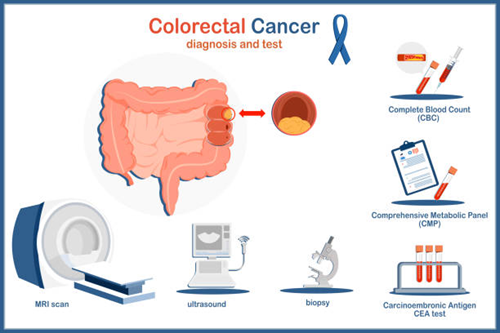
Diagnosis of colorectal cancer can be made by a combination of the following:

1. Colonoscopy

The most common and detailed method of diagnosing colorectal cancer is the colonoscopy, which enables the doctor to view the colon and rectum.

2. Biopsy

When abnormal regions are detected, a sample is taken to determine the presence of cancerous cells.

3. Imaging tests

CT, MRI, and ultrasound scans are used to determine whether the cancer has spread to other parts of the body.

4. Blood tests

To determine the presence of anemia or other possible signs of cancer.

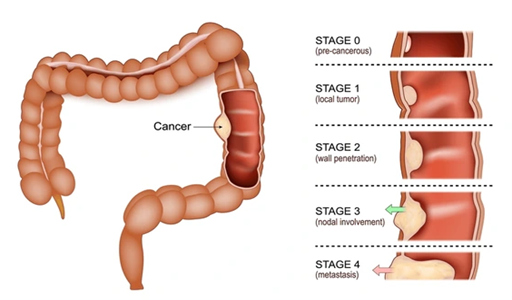
Staging is the process of determining how much cancer has spread. Colorectal cancer is usually staged from 0 to IV, depending on its metastatic nature.

What are the treatment options for colorectal cancer? Let’s explore the choices available.

Treatment Options

The treatment of colorectal cancer varies based on the stage and site of the tumor. The treatment options include:

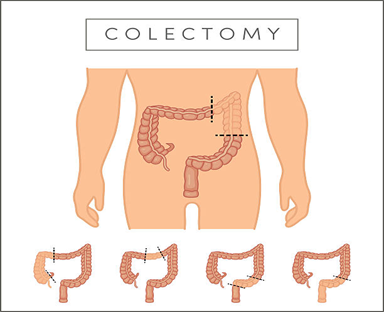
1. Surgery

The primary treatment for early-stage colorectal cancer is the surgical removal of the tumor or part of the colon.

2. Chemotherapy

This therapy is usually administered after surgery to eliminate any remaining cancer cells or in the advanced stages of cancer to shrink the size of the tumor.
3. Radiation therapy
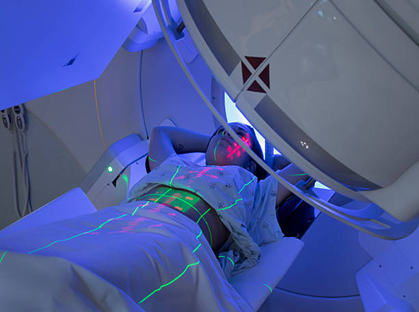
This therapy is usually administered in combination with surgery in the case of rectal cancer or when the tumor has invaded the surrounding tissues.

4. Targeted therapy

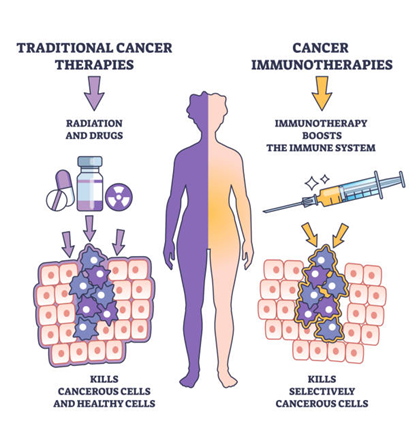
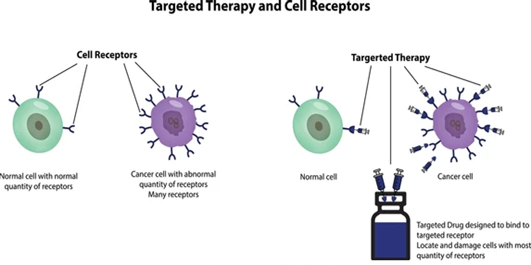
This type of treatment targets specific molecules in cancer cells to slow tumor growth or destroy cancer cells without harming healthy cells.

5. Immunotherapy

This type of treatment uses the body’s immune system to combat cancer cells, especially in advanced cancer or in those with specific genetic mutations.
How can you reduce your risk of colorectal cancer and live a healthier life? Let’s discuss prevention.

Prevention and Living Well

Healthy diet

Eating a diet rich in fruits, vegetables, and whole grains while limiting red meat and processed foods can reduce your risk.

Regular exercise

Physical activity can help maintain a healthy weight and reduce the risk of colorectal cancer.

Avoid smoking and limit alcohol

Both are known risk factors for colorectal cancer, so quitting smoking and limiting alcohol consumption can help prevent the disease.

Maintain a healthy weight

Obesity increases the risk, so managing your weight through diet and exercise is essential.
u

Need Assistance?

Want to reduce your colorectal cancer risk? Start with healthy habits and get in touch with an expert to develop a personalized prevention plan.

FAQ

1. How long do colon cancer patients live?

Survival rates vary by stage, but early-stage colon cancer has a high survival rate with treatment. Advanced stages require more intensive treatment.

2. Can colorectal cancer be cured?

Yes, colorectal cancer can be cured if detected early, particularly with surgery and follow-up treatments.

3. What are the first signs of colon cancer?

Early signs may include changes in bowel habits, blood in stool, unexplained weight loss, or persistent abdominal discomfort.

4. What is the leading cause of colorectal cancer?

The leading causes are genetic mutations, a family history of the disease, a diet high in processed meats, and other lifestyle factors.

5. How often should I get screened for colorectal cancer?

For average-risk individuals, screenings should start at age 45 and continue every 10 years. For those at higher risk, screening may start earlier and be more frequent.