
Staging of Colon Cancer: Understanding the Process
Colon cancer is one of the most commonly diagnosed cancers worldwide, with increasing rates in both developed and developing countries. In India, colon cancer is becoming more prevalent due to changes in lifestyle and dietary habits. Early detection through regular screening is vital for better treatment outcomes. One of the most crucial aspects of colon cancer diagnosis is the staging of colon cancer, which helps determine the extent of the disease and the most appropriate treatment options.
Dr. Sandeep Nayak, a highly regarded surgical oncologist in India, explains, “Staging is a critical step in colon cancer diagnosis as it helps in tailoring the treatment plan for each patient. A thorough understanding of the cancer’s spread enables us to recommend the most effective treatment.”
With years of experience, Dr. Nayak specializes in the management of colon cancer, using advanced surgical techniques and personalized care. As a leading expert in colon cancer treatment in Bangalore, he ensures each patient receives the best possible care for optimal recovery.
What is Colon Cancer Staging?
Colon cancer staging refers to the procedure used to determine the extent of cancer spread in the body. The stage implies the extent to which the cancer has been confined along the colon or whether it has extended to the nearby lymph nodes or to distant body organs. Staging is important in planning the best treatment, as it enables doctors to assess the extent of the disease and the potential for it to spread further.
Staging entails classifying the cancer into a stage (0 to IV), with each stage further subdivided to define disease progression. The TNM staging system is most commonly used to stage colon cancer and determines the size of the tumor (T), the involvement of the lymph nodes (N), and the spread of the cancer to other body parts (M).
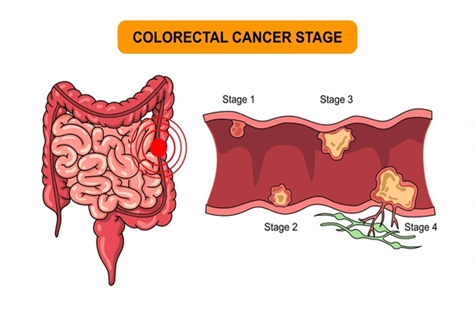
Why is staging of cancer so important? Here’s why it matters
.
The Importance of Staging in Colon Cancer
1. Determine Treatment Options:
The stage of cancer directly impacts the treatment plan. For early-stage cancer, surgery may be sufficient, while advanced stages may require chemotherapy, radiation, or targeted therapies.
2. Assess Prognosis:
Staging helps predict the likely outcome of the disease and the patient’s survival chances.
3. Plan for Follow-Up:
Knowing the stage helps schedule follow-up visits and monitor for potential recurrence.
What exactly is the TNM staging system, and how does it work for colon cancer?
The TNM Staging System for Colon Cancer
The TNM staging system is the most widely used method for staging colon cancer. It categorizes cancer into three key components:
- T (Tumor): Describes the size and extent of the primary tumor.
o T1: Cancer has grown into the inner layers of the colon wall.
o T2: Cancer has spread to the middle layers of the colon wall.
o T3: Cancer has spread through the outer layer of the colon wall.
o T4: Cancer has spread to nearby tissues or organs.
- N (Nodes): Describes whether the cancer has spread to nearby lymph nodes.
o N0: No cancer in the nearby lymph nodes.
o N1: Cancer has spread to 1–3 nearby lymph nodes.
o N2: Cancer has spread to 4 or more nearby lymph nodes.
- M (Metastasis): Indicates whether cancer has spread to other parts of the body.
o M0: No distant spread (no metastasis).
o M1: Cancer has spread to distant parts of the body (metastasis).
Need Assistance?
Want to understand your cancer stage more clearly? Connect with a cancer specialist for precise staging and treatment options.
Different Stages of Colon Cancer
Stage 0:
Stage I:
Stage II:
Stage III:
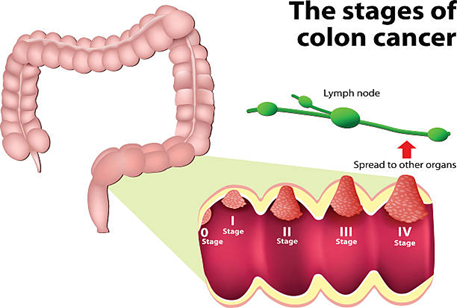
Stage IV:
How Staging Affects Treatment Options
1. Stage 0 and Stage I (Early-Stage Cancer)
2. Stage II
3. Stage III
4. Stage IV (Advanced Cancer)
In addition to surgery, chemotherapy, targeted therapies, or radiation may be used. If cancer has spread to distant organs, palliative care may also be part of the treatment plan.

How Colon Cancer Staging is Diagnosed
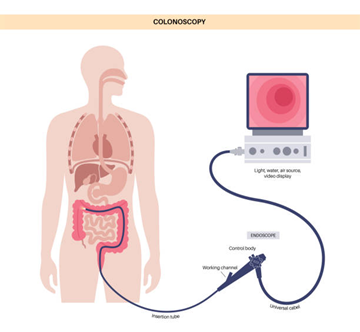
1. Colonoscopy:
2. CT or MRI Scans:
3. Ultrasound:
4. Blood Tests:
What to Expect During the Staging Process
1. Initial Consultation:
2. Imaging Tests:
3. Biopsy:
4. Staging Confirmation:
FAQ
1. What is the purpose of colon cancer staging?
2. How is colon cancer staged?
3. How does staging affect treatment?
4. Can colon cancer recur after treatment?
5. What stage of colon cancer requires chemotherapy?
Disclaimer: The information shared in this content is for educational purposes and not for promotional use.