
Robotic-Assisted Colon Surgery: Revolutionizing Colon Treatments
Colon surgery is often necessary to treat various conditions, from colorectal cancer to inflammatory bowel diseases like Crohn’s disease and ulcerative colitis. The colon is a critical part of the digestive system, and when it faces health issues, surgical intervention may be needed to remove tumors, repair damage, or treat disease. Traditional colon surgery can be invasive, requiring large incisions and leading to longer recovery times. However, advances in technology have revolutionized colon surgery, with robotic-assisted colon surgery offering an alternative that minimizes invasiveness, reduces recovery time, and enhances precision.
Colon surgery is often necessary to treat various conditions, from colorectal cancer to inflammatory bowel diseases like Crohn’s disease and ulcerative colitis.
The colon is a critical part of the digestive system, and when it faces health issues, surgical intervention may be needed to remove tumors, repair damage, or treat disease. Traditional colon surgery can be invasive, requiring large incisions and leading to longer recovery times. However, advances in technology have revolutionized colon surgery, with robotic-assisted colon surgery offering an alternative that minimizes invasiveness, reduces recovery time, and enhances precision.
Dr. Sandeep Nayak, an esteemed surgical oncologist in India, explains, “Robotic-assisted colon surgery offers enhanced precision and less trauma to the body compared to traditional methods, making recovery quicker and more comfortable for patients.” This innovative approach allows surgeons to perform complex procedures with greater control, ensuring optimal outcomes.
With extensive expertise in colorectal procedures, Dr. Nayak is committed to delivering top-notch colorectal cancer treatment in Bangalore using advanced technologies such as robotic surgery. At MACS Clinic, he ensures patients receive personalized, effective care tailored to their needs.
What is Robotic-Assisted Colon Surgery?
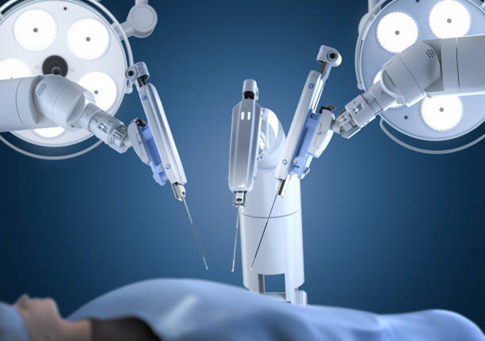
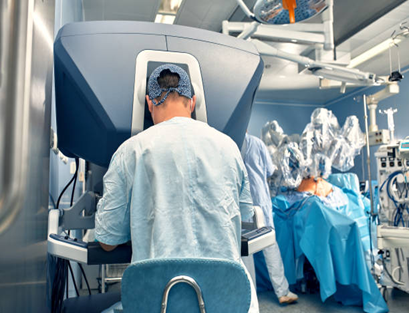
Robotic-assisted colon surgery uses robotic technology to assist the surgeon during the procedure. The surgeon controls the robotic arms from a console, which provides a high-definition, 3D view of the surgical area.
This enables more accuracy, smaller incisions, and more precise movements than conventional surgery. Robotic systems, such as the da Vinci Surgical System, enhance the surgeon’s ability to perform delicate procedures with minimal disruption to surrounding tissue.
Why should you consider robotic-assisted surgery for colon-related issues? Here are the key advantages.
Benefits of Robotic-Assisted Colon Surgery
Minimally Invasive
Smaller incisions result in less trauma to the body, which leads to less scarring and a quicker recovery.
Enhanced Precision
The robotic system provides magnified, high-definition images, enabling the surgeon to view the surgical site more clearly and perform the operation more precisely.
Reduced Pain
Shorter incisions and fewer tissue traumas tend to result in less postoperative pain.
Faster Recovery
Patients tend to resume normal activities more quickly, and many can leave the hospital in just a few days.
Lower Risk of Infection
The minimally invasive nature of robotic surgery reduces the risk of infection due to smaller incisions.
Shorter Hospital Stay
Recovery is quicker; hence, patients do not spend as much time in the hospital, and the process is more convenient, reducing healthcare costs.
Need Assistance?
Unsure if robotic surgery is the right choice? Speak with a seasoned expert to discuss your options.
How Robotic-Assisted Surgery Works for Colon Procedures
1. Preparation
Before surgery, the patient is given general anesthesia to ensure they remain comfortable and pain-free during the procedure.
2. Small Incisions
The surgeon makes small incisions in the abdomen to insert the robotic arms, each equipped with specialized surgical instruments.
3. Robotic Console
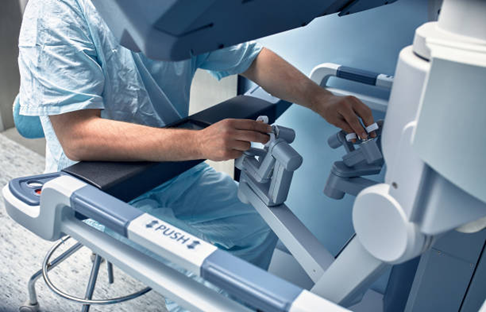
The surgeon controls the robotic arms from a console, viewing the surgical area on a high-definition, 3D monitor.
4. Surgical Procedure
The robotic arms can be used to accurately excise tumors, repair damage, or perform any other colon surgery.
5. Completion
When the process is complete, the sutures or staples are put on the incisions, and the patient is taken to the recovery room.
Robotic-Assisted Surgery vs Traditional Colon Surgery
| Feature | Traditional Colon Surgery | Robotic-Assisted Colon Surgery |
| Incision Size | Larger incisions for access | Smaller incisions, minimally invasive |
| Precision | Limited precision due to human hand movements | Enhanced precision with robotic arms and 3D imaging |
| Recovery Time | Longer recovery and hospital stay | Faster recovery, shorter hospital stay |
| Pain | Higher pain levels post-surgery | Reduced pain and discomfort |
| Risk of Infection | Higher risk due to larger incisions | Lower risk due to smaller incisions |
Need Assistance?
Not sure which approach is best for you? Reach out to a colorectal surgeon to understand your options.
What to Expect Before, During, and After Robotic-Assisted Colon Surgery
Before Surgery:
- Pre-Op Evaluation: You’ll have a pre-surgery consultation, including lab tests and imaging.
- Preparation: Fasting for a certain number of hours and preparation for anesthesia.
During Surgery:
- The procedure typically lasts 2-4 hours, depending on the complexity.
- You’ll be under general anesthesia and won’t feel anything during the surgery.
After Surgery:
- Recovery: You’ll spend a few days in the hospital with a focus on managing pain and monitoring for complications.
- Discharge: Most patients are discharged within 2-3 days.
- Follow-Up Care: Regular follow-up appointments will be scheduled to monitor your progress.
Is Robotic-Assisted Surgery Right for You?
Robotic surgery is generally considered for patients with:
Colon cancer or precancerous growths.
Inflammation or chronic inflammation due to diverticulitis.
Bowel obstruction or other functional issues of the colon.
Individuals seeking a less invasive procedure with faster recovery and less pain.
However, it is not suitable for all patients. Your colorectal surgeon will assess your condition, overall health, and surgical needs before recommending this approach.

FAQ
1. What are the benefits of robotic-assisted colon surgery?
2. Is robotic surgery for colon cancer effective?
3. How long is the recovery time after robotic colon surgery?
4. Does robotic surgery have fewer complications than traditional surgery?
5. Who is eligible for robotic-assisted colon surgery?
6. What is the success rate of robotic-assisted colon surgery?
7. Can I return to work after robotic-assisted colon surgery?
Disclaimer: The information shared in this content is for educational purposes and not for promotional use.