Surgery for Complex Polyps & Early Cancer Treatment

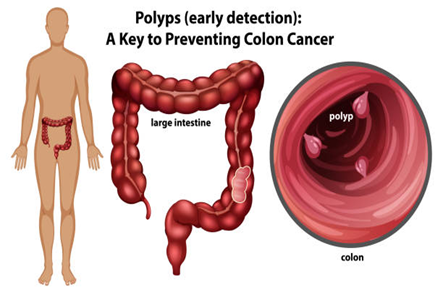
Polyps are abnormal tissue growths that develop on the inner lining of organs such as the colon or rectum. While many polyps are harmless, some can grow larger, become complex, and carry a higher risk of turning into cancer if not treated early. In such cases, timely intervention becomes essential. Surgery for complex polyps & early cancer treatment plays a critical role in safely removing these growths and preventing progression to cancer.

Dr. Sandeep Nayak, an ace surgical oncologist in India, explains, “Not all polyps are simple. Complex polyps require careful evaluation and precise surgical techniques to ensure complete removal.” He further emphasizes that early intervention not only prevents cancer development but also improves long-term outcomes and quality of life.
Dr. Nayak specializes in advanced procedures, including surgery for complex polyps & early cancer treatment. He is known for his expertise in minimally invasive and robotic surgeries, offering comprehensive colorectal cancer treatment in Bangalore. At MACS Clinic, patients benefit from personalized care, cutting-edge technology, and a multidisciplinary approach focused on achieving the best possible outcomes.

Wondering what makes a polyp “complex”? Let’s understand

What Are Complex Polyps & Early Cancer?

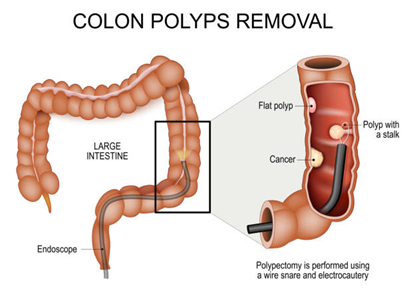
Complex polyps are growths that are larger, located in difficult areas, or have features that increase the risk of becoming cancerous. Unlike simple polyps, they may not be easily removed through routine endoscopic procedures.

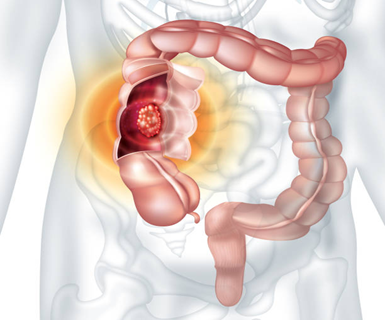
Early cancer refers to cancer that is detected at an early stage and is usually confined to the inner layers of the organ. At this point, the response to treatment is more effective and possibly needs less aggressive intervention.

Detecting complex polyps and cancer at an early stage is important for preventing disease progression and improving treatment success.
When is surgery actually needed? Let’s find out

Indications for Surgery in Complex Polyps & Early Cancer

Surgery is indicated under the following circumstances:
Presence of early cancer within the organ that has not spread beyond that area
Large polyps that are difficult to remove
Presence of high-risk features within precancerous polyps
Incomplete removal through endoscopy
Suspicion of cancer spread within the tissue
Surgery for complex polyps & early cancer treatment ensures complete removal, thereby preventing recurrence.
u

Need Assistance?

Need expert guidance for complex polyps or early cancer care? Get in touch to explore the most effective treatment approach.

Curious about the surgical options available? Let’s explore

Types of Surgery for Complex Polyps & Early Cancer

Different surgical approaches may be used depending on the location and severity:

Endoscopic Resection (EMR/ESD):

Advanced endoscopic techniques are used to remove complex polyps or very early cancers without external incisions.

Laparoscopic Surgery

Minimally invasive surgery using small incisions and a camera to remove affected sections with precision and a faster recovery.

Robotic-Assisted Surgery

Uses robotic technology for enhanced precision, especially useful in difficult or complex cases.

Segmental Resection

Removal of the affected portion of the organ (such as the colon or stomach) along with surrounding tissue if cancer is present.

Open Surgery

Traditional surgery is used in complex or advanced cases where minimally invasive techniques are not suitable.

The choice of surgery depends on factors such as size, location, and whether cancer is present.

What makes surgery the preferred option? Let’s take a closer look

Benefits of Surgery for Complex Polyps & Early Cancer

Complete removal of abnormal & cancerous tissue
Improved long-term outcomes
Minimally invasive options for faster recovery
Preservation of organ & tissue functions
Early surgery can improve survival & reduction of complications.
Wondering how the surgery is carried out? Let’s walk through the steps

The Surgery Process: What to Expect

1. Pre-surgery Evaluation

Includes tests like blood work and scans to assess overall health and plan the procedure. This helps ensure the surgery is safe and tailored to your condition.

2. Anesthesia

The procedure is done under general anesthesia, so you remain asleep and pain-free. An anesthesiologist monitors you throughout the surgery.

3. Surgical Procedure

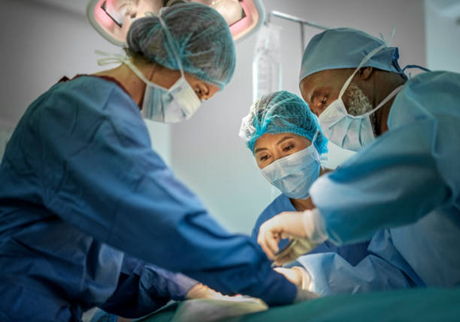
The surgeon removes the complex polyp or early cancer using minimally invasive or open techniques. The approach depends on the size, location, and complexity.

4. Tissue Analysis

The removed tissue is sent for laboratory testing to confirm the diagnosis. This also helps check if all abnormal cells have been completely removed.

5. Post-surgery Monitoring

After surgery, vital signs and recovery are closely observed. This ensures early detection of any complications.

6. Hospital Stay

Patients usually stay in the hospital for a few days, depending on their recovery. Minimally invasive procedures often allow faster discharge.

7. Discharge Planning

You will receive instructions on diet, medications, and activity levels. Follow-up visits are scheduled to monitor healing and progress.
What happens after surgery? Let’s break it down.

Post-Surgery Recovery and Aftercare

Hospital Recovery

Short hospital stay with monitoring for stable recovery.

Pain Management

Mild pain is managed with drugs.

Diet Progression

Gradual shift from liquids to normal diet.

Follow-Up Visits

Regular check-ups to monitor healing.

Activity Levels

Light activity early; avoid heavy strain.

Wound Care

Maintain the incision hygiene and monitor for infections.

Lifestyle Modifications

Healthy habits help in long-term recovery.
Aftercare is one of the most important factors for effective recovery and prevention of recurrence.

Why Choose Us for Complex Polyp & Early Cancer Surgery?

Expert Care

Treatment is led by Dr. Sandeep Nayak, a globally acclaimed surgical oncologist in India, ensuring accurate diagnosis and precise surgical execution even in complex cases.

Advanced Techniques

Use of minimally invasive and robotic-assisted surgery allows greater precision, smaller incisions, and faster recovery compared to traditional methods.

Comprehensive Cancer Care

From diagnosis to surgery and follow-up, complete cancer treatment in Bangalore is provided under one roof for seamless care.

Focus on Safety and Recovery

Emphasis is placed on reducing complications, minimizing pain, and enabling quicker return to daily activities.

Multidisciplinary Approach

Collaboration among oncologists, surgeons, radiologists, and support teams ensures well-rounded, effective treatment.

Patient-Centered Support

Clear communication, guidance, and ongoing support help patients feel informed and confident throughout their treatment journey.
u

Need Assistance?

Searching for expert care in complex polyp surgery? Connecting with a specialist can help you explore the right options.

Curious about outcomes after surgery? Let’s discuss

Success Rates and Patient Outcomes

Surgery for complex polyps and early cancer offers excellent success rates, especially when the condition is detected at an early stage. Complete removal of abnormal tissue significantly reduces the risk of progression to cancer and improves long-term survival. With advancements in minimally invasive and robotic techniques, patients also benefit from safer procedures with fewer complications.

Patient outcomes are generally positive, with faster recovery, shorter hospital stays, and a quicker return to normal activities. Most individuals experience improved quality of life after treatment, particularly when combined with proper follow-up care and lifestyle modifications.

Regular postoperative monitoring plays a key role in maintaining these outcomes. Follow-up visits help detect recurrences early, ensuring timely intervention and long-term health.

FAQ

1. What are complex polyps?

Complex polyps are larger or high-risk growths that may be difficult to remove and can potentially turn cancerous.

2. Can polyps turn into cancer?

Yes, some complex polyps have a higher risk of developing into cancer if not treated early.

3. Is surgery always required for polyps?

Not always; small polyps can be removed endoscopically, but complex ones may need surgery.

4. What is early cancer?

Early cancer refers to cancer detected at an initial stage, usually confined to the inner layers of an organ.

5. Is surgery safe for early cancer?

Yes, with modern techniques, surgery is generally safe and highly effective for early-stage cancer.
Disclaimer: The information shared in this content is for educational purposes and not for promotional use.