

Most people who book a colonoscopy worry about one thing more than the result itself. The pain. They’ve heard stories from relatives, read forum posts, and pictured something far worse than reality. The truth sits somewhere in the middle, and knowing what actually happens on the test day removes most of that fear before you even reach the hospital.

What Is a Colonoscopy?

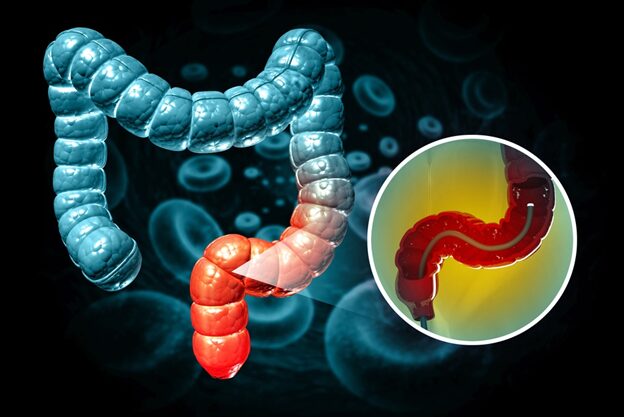
A colonoscopy is a test that checks the inside lining of the large intestine using a thin, flexible tube with a tiny camera at its tip. The doctor watches the screen in real time and looks for polyps, ulcers, bleeding, or early signs of colon cancer. If something suspicious shows up, a small tissue sample can be taken right then. The whole process usually wraps up in 20 to 45 minutes.

Is Colonoscopy Painful? The Honest Answer

For most patients, no. The procedure is done under sedation, so you’re either deeply relaxed or fully asleep through it. You won’t feel the scope moving, and you won’t remember much afterwards either. Some people report mild bloating or a sense of pressure when air gently inflates the colon, but this passes quickly. The bigger discomfort, oddly enough, comes from the prep, not the test.
Worried about pain or risk during your screening? Book a consultation with Dr. Sandeep Nayak 

What Does a Patient Feel During the Procedure?

Almost nothing, in most cases. Once the sedative kicks in, you drift off within minutes. A few patients on lighter sedation report brief cramping as the scope navigates the bends in the colon, but it’s short and very manageable. Trained gastroenterologists work slowly through those turns to avoid stretching the bowel wall, which is what causes most discomfort when it does happen during a colonoscopy.

Does Colonoscopy Preparation Cause More Discomfort?

Honestly, yes for many people. The prep involves drinking a bowel-cleansing liquid the night before and emptying the colon completely. Frequent bathroom trips, mild cramping, and a bit of nausea are common. It isn’t painful in a serious medical sense, but it is tiring. Splitting the prep dose between evening and early morning makes it easier to tolerate, and a chilled drink reduces the salty aftertaste a lot.

Sedation Options That Help Reduce Pain

Three main choices exist depending on the patient and the hospital protocol. Light conscious sedation keeps you awake but calm and a little drowsy. Moderate sedation, the most common type used in India, makes you sleepy and pain-free without full anaesthesia. Deep sedation or short general anaesthesia is reserved for very anxious patients or longer combined procedures. Your doctor picks what suits your age, health, and comfort level.

Recovery After Colonoscopy: What to Expect

You’ll wake up in a recovery area and rest for about 30 to 60 minutes while the sedative wears off completely. Mild bloating, some gas, or soft cramping for a few hours afterwards is normal. A light meal and plenty of water help things settle quickly. Driving and heavy work are off-limits for the day, so plan a companion to take you home. Most people feel fully back to normal by the next morning.

Looking for an experienced oncologist in India for colon cancer screening?

Common Myths About Colonoscopy Pain

The biggest myth is that you’ll feel everything. You won’t, because of sedation. Another common one says the scope causes lasting internal damage. It doesn’t, when done by trained hands. People also believe the prep tastes unbearable. Newer low-volume preparations are far easier than the old gallon-sized drinks. And no, you won’t be awake watching the screen unless you specifically ask to be a part of it.

When Should You Get a Colonoscopy?

The general guideline says start screening at age 45 if you have no family history of bowel disease, and earlier if you do. Anyone with persistent changes in bowel habits, blood in stool, unexplained weight loss, or low haemoglobin should schedule one without waiting. A family history of colon cancer or polyps shifts the start age down to 40 or sometimes younger. Speaking to a specialist is the safest way to know your timing.

Get expert guidance from Dr. Sandeep Nayak, a leading oncologist in India

FAQ

1. How long does a colonoscopy take?

Usually 20 to 45 minutes from start to finish.

2. Will I be awake during the test?

No, sedation keeps you relaxed or asleep throughout the procedure.

3. Can I eat after a colonoscopy?

Yes, light meals are fine once the sedation has worn off.

4. How often should a colonoscopy be repeated?

Every 10 years if results are normal, sooner if polyps are found.