
Understanding Rectal Cancer: Symptoms, Causes & Diagnosis | Dr. Sandeep Nayak
Rectal cancer begins in the rectum, the final section of the large intestine, and usually develops slowly from small growths called polyps. Globally, rectal cancer is among the most commonly diagnosed cancers, and in India, it ranks high too, with a steadily rising trend in urban areas.
“Rectal cancer is highly treatable when caught early, yet many patients ignore the first signs,” says Dr. Sandeep Nayak. “A change in bowel habits or bleeding should never be brushed aside. Acting early on these signals can completely change the outcome.”
Dr. Sandeep Nayak is one of the leading surgical oncologists in India, with over two decades of experience in robotic and minimally invasive cancer surgery. Known for offering advanced colorectal cancer treatment in Bangalore at MACS Clinic, he specializes in sphincter-saving and robotic-assisted procedures that remove the tumor effectively while preserving healthy tissue, avoiding permanent stomas where possible, and supporting a faster recovery.
Where does rectal cancer actually occur? Let’s explore what this condition is and how it develops.
What Is Rectal Cancer?
Rectal cancer develops in the rectum, the last several inches of the large intestine that connects the colon to the anus. It usually starts as a small growth called a polyp on the inner lining. Over time, some polyps can become cancerous and invade the rectal wall.
Most rectal cancers are adenocarcinomas, which develop from the gland cells that produce mucus in the bowel. Because the rectum sits in a tight space surrounded by other organs, treatment requires careful surgical planning.
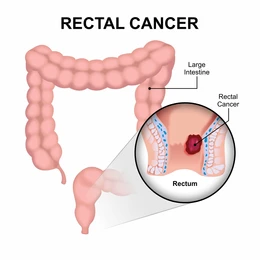
Are rectal cancer and colon cancer the same thing? Let’s discover what sets these two apart.
How Rectal Cancer Differs from Colon Cancer
Although they are grouped as colorectal cancer, rectal cancer, and colon cancer, they are managed differently. The key difference lies in location and surrounding anatomy.
The rectum sits low in the pelvis with limited space around it. This makes surgery more complex and often calls for radiation and chemotherapy before the operation. Colon cancer is usually treated with surgery first, with chemotherapy added if needed. The location also affects symptoms, recurrence risk, and the type of surgery chosen.
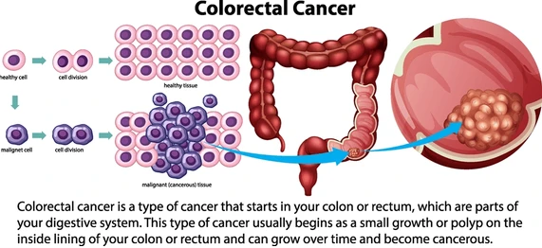
Could your body be sending early warning signs? Let’s dive into the symptoms that deserve attention.
Common Symptoms of Rectal Cancer
Symptoms often appear gradually, which is why many people delay seeking help. Watch for these warning signs:
Rectal bleeding
Bright red or dark blood in the stool is one of the most common signs.
Change in bowel habits
Persistent diarrhea, constipation, or narrow stools lasting more than a few weeks.
Incomplete emptying
A constant feeling that the bowel does not empty fully.

Abdominal discomfort
Cramps, bloating, or pain that does not settle.
Unexplained weight loss
Losing weight without trying.
Fatigue and weakness
Often linked to slow blood loss and anemia.
Noticing any of these signs is reason enough to act
Connect with a professional before symptoms progress.
Could certain habits or family history raise your risk? Let’s explore the main causes and risk factors behind rectal cancer.
What Causes Rectal Cancer and Who Is at Risk
Rectal cancer develops when cells in the rectum grow abnormally due to genetic changes. Several factors raise the risk:
Age over 50
Risk rises with age, though younger cases are increasing.
Family history
A close relative with colorectal cancer increases personal risk.
Inherited conditions
Lynch syndrome and FAP significantly raise the risk.
Diet
High intake of red and processed meat with low fiber.
Lifestyle
Smoking, heavy alcohol intake, obesity, and physical inactivity.
Bowel disease
A history of polyps or inflammatory bowel disease, such as Crohn’s or ulcerative colitis.
Which tests reveal rectal cancer accurately? Let’s walk through the ones that detect it.
How Rectal Cancer Is Diagnosed
Accurate diagnosis confirms the cancer and shows how far it has spread.
Colonoscopy
Let the doctor view the rectum and take a biopsy of suspicious tissue.
Biopsy
Tissue is examined under a microscope to confirm cancer.
MRI of the pelvis
Shows tumor size and how deep it has grown.
CT scan
Checks the chest and abdomen for any distant spread.
Endorectal ultrasound
Assesses how far the tumor has invaded the rectal wall.
Blood tests
The CEA tumor marker supports diagnosis and tracks treatment response.
Now, let’s delve into the stages of rectal cancer and what each one means.
Understanding the Stages of Rectal Cancer
Staging describes how deep the tumor has grown and whether it has reached lymph nodes or distant organs.
Stage 0
Cancer is confined to the inner lining of the rectum.
Stage I
Cancer has grown into deeper layers but stays within the rectal wall.
Stage II
Cancer has spread through the rectal wall to nearby tissue without reaching lymph nodes.
Stage IV
Cancer has spread to distant organs such as the liver or lungs.
For a detailed breakdown, refer to our guide on the staging of rectal cancer.
Which tests reveal rectal cancer accurately? Let’s walk through the ones that detect it.
How Rectal Cancer Is Diagnosed
Accurate diagnosis confirms the cancer and shows how far it has spread.
Surgery
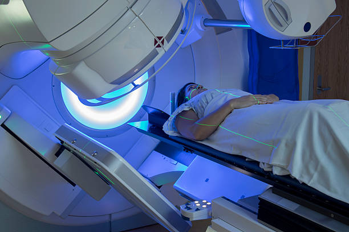
Radiation Therapy

Chemotherapy
Robotic-Assisted Surgery
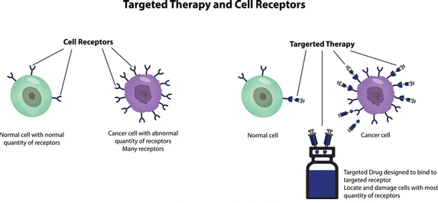
Targeted Therapy
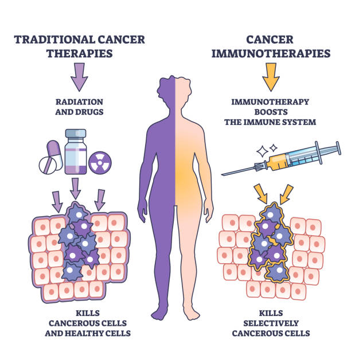
Immunotherapy
Modern colorectal cancer treatment at MACS Clinic in Bangalore focuses on organ preservation and quality of life.
The right treatment plan can transform your outcome.
Does catching it early really make a difference? Let’s discover why timing matters so much.
Why Early Diagnosis Changes the Outcome
The stage at diagnosis is the single biggest factor in survival. Early-stage rectal cancer is often curable with surgery alone, while advanced cancer needs more intensive treatment with lower success rates.
Screening through colonoscopy can detect and remove polyps before they become cancerous. For those with symptoms or a family history, early evaluation can catch the disease when it is most treatable. Acting on early warning signs rather than waiting is the smartest decision a patient can make.
Thousands of patients have placed their trust in Dr. Sandeep Nayak. Let’s explore what sets his expertise apart.
Why Choose Dr. Sandeep Nayak for Rectal Cancer Care
Two Decades of Experience
Dr. Sandeep Nayak brings over 20 years of focused practice in colorectal cancer surgery. This depth of experience means complex cases are handled with confidence and skill. Patients benefit from the judgment that only years of operating can build.
Robotic Surgery Pioneer
He is among the most experienced robotic colorectal surgeons in India. Robotic systems enable precise movements within the tight confines of the pelvis. The result is less pain, reduced blood loss, and a quicker recovery.
Organ-Preserving Approach
His expertise in sphincter-saving surgery helps many patients avoid a permanent stoma. This protects normal bowel function and long-term quality of life. Where preservation is possible, it is always prioritised.

Advanced Technology Access
Patients are treated using the latest surgical platforms at leading cancer hospitals in Bangalore. Access to modern technology supports safer, more precise procedures. It also enables faster healing and shorter hospital stays.
Strong Patient Outcomes
Consistently excellent success rates reflect careful planning and surgical precision. Years of experience translate into reliable, positive results. Patients can place their trust in a proven track record.
Compassionate, Patient-First Care
Beyond surgery, the focus stays on comfort and clear communication. Patients are guided and supported throughout their journey. Every concern is met with empathy and honesty.
FAQ
1. What is the first sign of rectal cancer?
Rectal bleeding and a change in bowel habits are usually the earliest signs. Any blood in the stool should be checked promptly.
2. Is rectal cancer curable?
Yes, especially when found early. Early-stage rectal cancer is often cured with surgery alone.
3. Does rectal cancer always require a permanent stoma?
No. Many patients undergo sphincter-saving surgery that avoids a permanent stoma.
4. Is rectal bleeding always cancer?
No. It can be due to piles or other conditions, but it should always be evaluated to rule out cancer.
5. Is robotic surgery better for rectal cancer?
Robotic surgery offers greater precision in the narrow pelvis, less pain, and faster recovery for suitable patients.
Disclaimer: The information shared in this content is for educational purposes and not for promotional use.