
Colon Cancer Treatment Options: All Paths at a Glance
Colon cancer treatment has evolved well beyond a single approach. Depending on the stage and nature of the disease, care may range from a minimally invasive procedure to a structured combination of surgery, chemotherapy, and specialized treatments such as HIPEC. The appropriate path is determined by the tumor’s location, the extent of its spread, and the patient’s overall health.
“There is rarely just one way to treat colon cancer,” says Dr. Sandeep Nayak, a globally acclaimed oncologist in India. “Effective care depends on selecting the right combination of therapies to achieve a cure while minimizing the impact on the patient’s daily life.”
This page outlines the complete range of colon cancer treatment options, from minimally invasive surgery to advanced therapies for complex and metastatic disease. Each option is delivered at the MACS Clinic under the care of Dr. Sandeep Nayak, a recognized authority in cancer treatment in Bangalore with over two decades of experience.

Wondering what guides the choice of treatment? Let’s explore how the right path is determined.
How Colon Cancer Treatment Is Decided
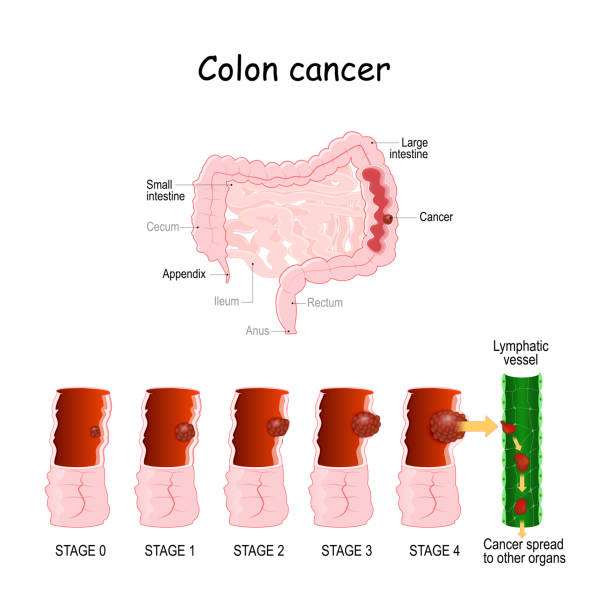
Choosing a colon cancer treatment is never random. It depends on the stage of the cancer, the tumor’s location, whether lymph nodes are involved, and the patient’s overall health. Genetic factors can also influence which therapies will work best.
A specialist reviews all these factors, often with a multidisciplinary team, to design a plan tailored to each patient. You can read more in our guide on understanding colon cancer.
Need Assistance?
A sound plan begins with a thorough assessment. Visit a specialist to identify the approach suited to your case.
Is surgery always the first step? Let’s discover why it remains central to colon cancer treatment.
Surgery for Colon Cancer
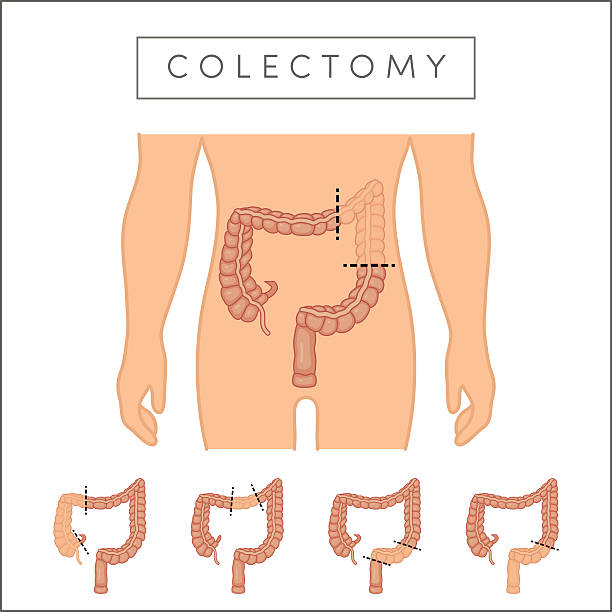
Surgery is the main treatment for most colon cancers. The affected section of the colon is removed along with nearby lymph nodes, and the healthy ends are reconnected. This is known as a colectomy and forms the foundation of curative treatment.
For early-stage cancers, surgery alone is often enough, while for advanced cases, it is combined with chemotherapy. The choice of surgical technique depends on the tumor and the patient.
Did you know colon surgery can be done through tiny cuts? Let’s explore the laparoscopic approach.
Laparoscopic Colon Surgery
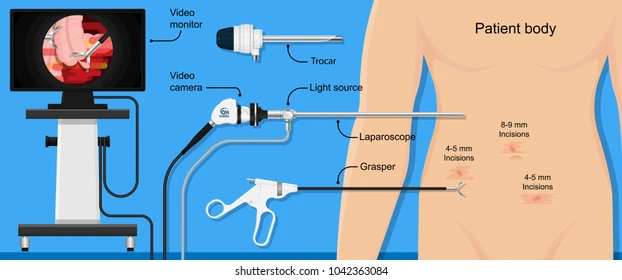
Laparoscopic colon surgery is a minimally invasive technique performed through several small incisions. A tiny camera guides the surgeon, allowing precise removal of the tumor with less trauma to the body.
The benefits include smaller scars, less pain, reduced blood loss, and a faster recovery. Learn more about this approach on our laparoscopic colon surgery page.
Curious how robotics is changing cancer surgery? Let’s discover the advantages of the robotic approach.
Robotic-Assisted Colon Surgery
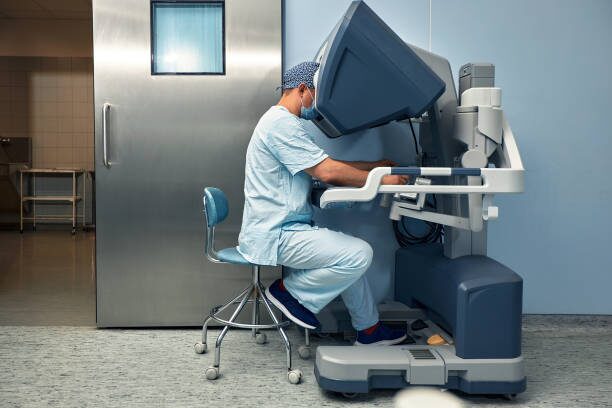
Robotic-assisted colon surgery takes minimally invasive treatment a step further. The surgeon controls robotic arms with enhanced precision, magnified vision, and a greater range of motion, which is especially useful in complex cases.
This translates into smaller incisions, less pain, and faster healing. Explore the details on our robotic-assisted colon surgery page.
What makes lymph node removal so important? Let’s explore the role of D3 dissection.
D3 Lymph Node Dissection
D3 lymph node dissection is an advanced surgical technique that removes the lymph nodes most likely to harbor cancer cells. This thorough approach improves staging accuracy and lowers the risk of cancer recurrence.
It requires significant surgical skill and is particularly valuable in more advanced colon cancers. Read more on our D3 lymph node dissection page.
Can early growths be removed before they turn dangerous? Let’s discover how complex polyps are treated.
Surgery for Complex Polyps and Early Cancers
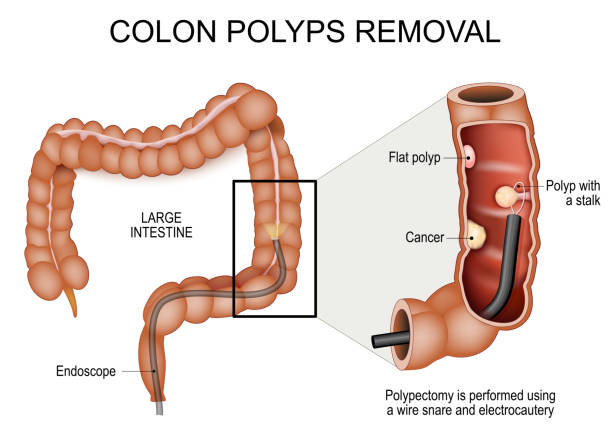
Some polyps are too large or awkwardly placed to be removed during a routine colonoscopy. Specialized surgery can remove these complex polyps and early cancers while preserving as much healthy colon as possible.
Treating these growths early can prevent the development of invasive cancer altogether. Learn more about our surgery for complex polyps and early cancers.
When are medicines needed alongside surgery? Let’s explore the role of chemotherapy and targeted therapy.
Chemotherapy and Targeted Therapy

Chemotherapy uses powerful drugs to destroy cancer cells throughout the body. It is often given after surgery to lower the risk of recurrence, especially when the cancer has reached the lymph nodes. Targeted therapy attacks specific features of cancer cells while sparing healthy tissue.
Together, these therapies play a vital role in treating advanced and metastatic colon cancer, improving both control and survival.
What happens when colon cancer spreads to the abdomen? Let’s discover this advanced treatment option.
Cytoreductive Surgery (CRS) and HIPEC
Cytoreductive surgery (CRS) removes visible tumors from the abdominal cavity and is followed by HIPEC, a heated chemotherapy washed directly inside the abdomen. This powerful combination targets cancer that has spread to the lining of the abdomen.
For selected patients, CRS and HIPEC can offer meaningful results where other treatments fall short. Read more on our CRS and HIPEC page.
How does the stage shape your treatment? Let’s explore the right path for each stage.
Choosing the Right Treatment Path for Your Stage
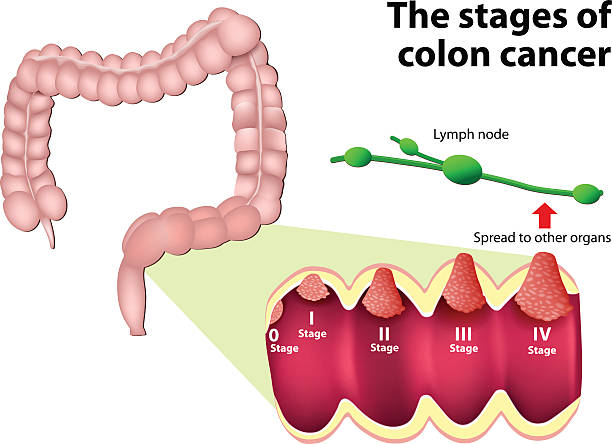
The stage of colon cancer is the primary factor that shapes the entire treatment plan. Each stage calls for a specific approach, carefully matched to how far the disease has progressed.
Stage 0:
Cancer is confined to the inner lining of the colon. It is typically addressed through colonoscopic polypectomy or minor surgery, with no further treatment needed in most cases.
Stage I:
The tumor has grown into the colon wall but has not reached the lymph nodes. Surgery is the standard approach, and outcomes are generally very good.
Stage II:
The cancer has spread through the colon wall but remains within the surrounding tissue. Surgery is the primary treatment, with chemotherapy added for higher-risk cases to lower recurrence.
Stage III:
The cancer has reached nearby lymph nodes. A combination of surgery and chemotherapy is standard, often using D3 lymph node dissection for thorough clearance.
Stage IV:
The cancer has spread to distant organs such as the liver or lungs. Treatment involves a multimodal approach combining surgery, chemotherapy, targeted therapy, immunotherapy, and, in selected cases, CRS and HIPEC for abdominal spread.
Searching for a specialist you can trust? Here is what distinguishes Dr. Sandeep Nayak for colon cancer care.
Why Choose Dr. Sandeep Nayak for Colon Cancer Treatment
Deep Expertise in Complex Cases:
He has particular experience managing difficult polyps, advanced tumors, and cancers that have spread within the abdomen.
Surgeon Who Tailors the Technique:
Rather than a fixed method, he selects the exact surgical approach that fits the tumor, giving each patient the least invasive option possible.
Established Robotic Surgeon:
As one of India’s early adopters of robotic colorectal surgery, he brings techniques refined through years of advanced practice.

Focus on Long-Term Control:
Thorough surgery and D3 lymph node dissection are used to reduce the risk of recurrence and protect long-term health.
Function-Preserving Approach:
Procedures are planned to preserve normal bowel function and avoid a permanent stoma wherever clinically possible.
Decisions Backed by a Tumor Board:
Complex cases are reviewed with a multidisciplinary team, so every plan reflects collective expert judgment.
Access to Leading Hospitals:
Patients are treated at top Bangalore facilities equipped with advanced surgical and diagnostic technology.
Clear Patient Communication:
Every treatment option is explained in straightforward terms, helping patients make well-informed decisions.
Need Assistance?
Experienced, specialized care offers the best chance of a successful outcome. Speak with an expert to begin your treatment journey.
FAQ
1. Is surgery always needed for colon cancer?
Surgery is the main treatment for most cases, though very early cancers may be removed during a colonoscopy.
2. What is HIPEC?
HIPEC is heated chemotherapy delivered directly into the abdomen, used with CRS for cancer that has spread to the abdominal lining.
3. Can early colon cancer be cured?
Yes. Early-stage colon cancers are often cured with surgery alone.
4. Can advanced colon cancer be treated?
Yes. Even Stage IV colon cancer can be managed with a combination of surgery and advanced therapies.
5. Are complex polyps dangerous?
They can turn into cancer over time, so removing them early prevents invasive disease.
Disclaimer: The information shared in this content is for educational purposes and not for promotional use.