
Chemotherapy and Targeted Therapy for Colorectal Cancer
Colorectal cancer, one of the most common cancers worldwide, affects the colon or rectum. Its progression can be slow, but if detected early, treatment can be highly effective. When colorectal cancer reaches advanced stages or metastasizes, treatment options like chemotherapy and targeted therapy are often used to shrink tumors, alleviate symptoms, and improve survival rates. These two treatment methods have distinct mechanisms but play crucial roles in managing the disease.
Dr. Sandeep Nayak, an eminent cancer specialist in India, explains, “Both chemotherapy and targeted therapy are vital in the treatment of colorectal cancer, especially when surgery alone is not enough. Chemotherapy helps kill fast-growing cancer cells, while targeted therapy works by attacking specific molecules that promote cancer growth.”
Dr. Nayak offers comprehensive colorectal cancer treatment in Bangalore. With his team of seasoned medical oncologists, he combines cutting-edge therapies such as chemotherapy and targeted therapy for colorectal cancer to achieve the best results. With over two decades of experience, he uses a patient-centered approach, ensuring every treatment plan is personalized to each patient’s needs.
In this article, we will explore the mechanisms, benefits, and side effects of these treatments, offering insight into their roles in the fight against colorectal cancer.
What Is Chemotherapy in Colorectal Cancer Treatment?
Chemotherapy is a systemic treatment that uses powerful drugs to kill or slow the growth of cancer cells. In the case of colorectal cancer, chemotherapy is typically used after surgery to kill any remaining cancer cells or to shrink tumors before surgery. Chemotherapy works by targeting rapidly dividing cells, which include cancer cells.
Chemotherapy may be administered orally or by intravenous (IV) infusion and can target cells throughout the body, making it effective for cancers that have spread.
How does targeted therapy differ from chemotherapy? Let’s dive in.
What Is Targeted Therapy for Colorectal Cancer?
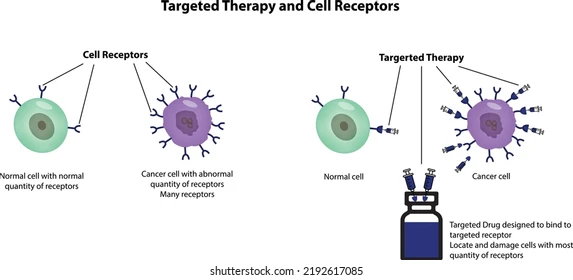
Targeted therapy is a newer treatment approach that targets molecular and genetic changes in cancer cells. Unlike chemotherapy, which affects all rapidly dividing cells, targeted therapy targets only cancer cells with specific markers, minimizing damage to healthy cells.
For colorectal cancer, targeted therapies can block the growth of blood vessels that supply the tumor (anti-angiogenesis) or block the signals that enable cancer cells to grow and spread.
Need Assistance?
Not sure how these therapies will work for you? Speak with a specialist for a personalized assessment and care plan tailored to your needs.
What sets chemotherapy and targeted therapy apart? Here’s a quick comparison.
Key Differences Between Chemotherapy and Targeted Therapy
| Aspect | Chemotherapy | Targeted Therapy |
|---|---|---|
| Approach | Attacks all rapidly dividing cells (cancerous and healthy) | Targets specific molecules or pathways in cancer cells |
| Precision | Less specific | Highly precise and selective |
| Impact on Healthy Cells | Affects healthy cells as well | Minimally affects normal cells |
| Side Effects | Common (hair loss, nausea, fatigue, infections) | Usually milder (skin issues, diarrhea, BP changes) |
| Usage | Widely used for many cancer types and stages | Used when specific genetic markers are present |
| Mode of Action | Kills or slows fast-growing cells | Blocks signals, proteins, or the blood supply needed for cancer growth |
| Effectiveness | Effective in aggressive and advanced cancers | More effective in cancers with identifiable molecular targets |
| Combination Use | Often combined with surgery or radiation | Frequently combined with chemotherapy for better outcomes |
When is chemotherapy the best option for treating colorectal cancer? Let’s dive into the scenarios where chemotherapy is recommended.
When Is Chemotherapy Recommended?
Chemotherapy for colorectal cancer is recommended in the following situations:
After surgery for destroying residual cancer cells (adjuvant therapy)
Where the cancer has metastasized from its primary site to other areas of the body
Where the cancer is not surgically resectable, chemotherapy is employed to shrink the tumor before performing an operation
Is targeted therapy the best choice for colorectal cancer treatment? Here’s when it’s typically given.
When Is Targeted Therapy Used?
Targeted therapy is used when certain genetic mutations or markers are present in the cancer cells. It is generally prescribed:
In combination with chemotherapy for metastatic colorectal cancer
If surgery cannot be performed on the patient, and the goal is to shrink or control the tumor
When the cancer has a specific mutation that approved drugs can target
What are the different types of chemotherapy drugs used to treat colorectal cancer? Let’s take a look.
Types of Chemotherapy Drugs for Colorectal Cancer
Several chemotherapy drugs are commonly used to treat colorectal cancer:
5-Fluorouracil (5-FU):
One of the most commonly used drugs for colorectal cancer, often used in combination with other drugs.
Leucovorin:
Often paired with 5-FU to enhance its effectiveness.

Oxaliplatin:
Used in combination with 5-FU for metastatic cancer.
Irinotecan:
Used for advanced stages of colorectal cancer and in cases where other drugs are ineffective.
What targeted therapy drugs are available for treating colorectal cancer? Here’s an overview.
Types of Targeted Therapy Drugs
Some of the targeted therapy drugs used in colorectal cancer treatment include:
Bevacizumab (Avastin):
Blocks blood vessels that supply the tumor, slowing its growth.
Cetuximab (Erbitux):
Targets the epidermal growth factor receptor (EGFR), which helps cancer cells grow.
Panitumumab (Vectibix):
Works similarly to Cetuximab but is another option for certain mutations.
Confused about how chemotherapy is given? Let’s simplify it for you.
How Chemotherapy Is Administered
In order to deliver chemotherapy drugs to fight colorectal cancer, there are many different means of administration that can be applied, depending on the nature of the drugs:
1. IV Infusion:
The commonest way, in which drugs are injected directly into the blood stream.
2. Oral Medications:
In some cases, chemotherapy drugs can be taken in pill form.

3. Intra-Arterial:
Rarely, chemotherapy may be delivered directly into the arteries supplying the tumor.
Curious how targeted therapy attacks cancer cells so precisely? Let’s take a closer look.
How Targeted Therapy Works in the Body
Targeted therapy functions by identifying and attacking particular molecules involved in growth and survival of the cancerous cells. Unlike chemotherapy, which attacks all rapidly dividing cells, targeted therapy attacks only certain pathways within the cancerous cells.
It works in following ways:
Blocks growth signals:
It stops cancer cells from receiving signals which prompt their growth and division
Cut off blood supply:
It prevents tumors by blocking formation of new blood vessels (anti-angiogenesis)
Targets cancer-specific proteins:
It attacks proteins such as EGFR which contribute to the proliferation of cancers
Delivers targeted drugs:
Some therapies carry toxins directly to the cancer cells
What makes these treatments effective? Let’s quickly explore.
Benefits of Chemotherapy and Targeted Therapy
Targeted therapy functions by identifying and attacking particular molecules involved in growth and survival of the cancerous cells. Unlike chemotherapy, which attacks all rapidly dividing cells, targeted therapy attacks only certain pathways within the cancerous cells.
Controls cancer growth by destroying or slowing cancer cells
Shrinks tumors before surgery or other treatments
Reduces recurrence risk after surgery
Improves survival rates in many stages of colorectal cancer
Targeted precision focuses on specific cancer cells
Fewer side effects with targeted therapy compared to traditional chemo
Better outcomes in combination when both therapies are used together
What are the common side effects of chemotherapy for colorectal cancer? Let’s take a look.
Side Effects of Chemotherapy
While chemotherapy is effective, it comes with potential side effects, including:
Fatigue:
Common with most chemotherapy regimens.
Nausea and Vomiting:
May occur, but can be managed with medications.
Hair Loss:
Can be temporary depending on the chemotherapy drugs used.

Increased Risk of Infection:
Due to lowered white blood cell count.
What side effects are associated with targeted therapy? Let’s discuss.
Side Effects of Targeted Therapy
Targeted therapy tends to have fewer side effects than chemotherapy, but they can still occur. These include:
Skin reactions:
Rashes or dryness.
Diarrhea:
Can be a common side effect, especially with certain drugs.
Fatigue:
May be experienced as the body adjusts to the medication.
High blood pressure:
Particularly with drugs like bevacizumab.
How can you manage side effects during chemotherapy and targeted therapy for colorectal cancer? Here are some tips.
Managing Side Effects During Treatment
Managing side effects is a crucial part of both chemotherapy and targeted therapy. Strategies include:
Medications:
To reduce nausea, manage pain, and prevent infections.
Diet and Nutrition:
Maintaining a healthy diet can help alleviate fatigue and nausea.
Physical Therapy:
Can help manage weakness or mobility issues caused by treatment.
What are the costs of chemotherapy and targeted therapy for colorectal cancer? Let’s understand what affects it.
Cost of Chemotherapy and Targeted Therapy
The cost of chemotherapy for colorectal cancer and targeted therapy for colorectal cancer can vary widely based on several factors:
Type of drugs used:
standard chemotherapy is generally more affordable, while targeted therapy drugs are often expensive due to their advanced nature.
Duration of treatment:
Longer treatment cycles increase overall costs.
Hospital and facility charges:
Costs differ depending on the center and level of care provided.
Diagnostic tests and monitoring:
Regular scans, blood tests, and follow-ups add to the total expense.
Insurance coverage:
Health insurance can significantly reduce out-of-pocket costs.
In general, chemotherapy is more cost-effective, while targeted therapy, though costlier, may offer better precision and fewer side effects in selected patients.
Need Assistance?
Want to understand the costs of your treatment plan? Reach out for a detailed breakdown of expenses and insurance coverage options.
How effective are these treatments in real cases? Let’s look at what outcomes you can expect.
Success Rates and Outcomes
The effectiveness of chemotherapy and targeted therapy for colorectal cancer depends on several factors such as the stage of the disease, general health, and responsiveness of the cancer cells.
Early stage colorectal cancer
With timely identification of cancer, the outcome of treatment is promising, particularly when surgery is combined with chemotherapy.
Locally advanced cancer
It helps shrink tumors and improve chances of successful surgery.

Metastatic colorectal cancer
While cure may be challenging, these therapies can control disease progression, extend survival, and improve quality of life.
Personalized treatment response
Targeted therapy shows better results in patients with specific genetic profiles.
Advancements in treatment have significantly improved survival rates, making colorectal cancer more manageable than before when treated appropriately.
Looking for the right place for trusted, expert-led cancer care? Let’s see what sets us apart.
Why Choose Us for Colorectal Cancer Treatment?
At MACS Clinic, we offer advanced and personalized colorectal cancer treatment in Bangalore, combining expertise, technology, and patient-focused care:
Expert Care:
Led by Dr. Sandeep Nayak, a well-recognized surgical oncologist in India with extensive experience in treating complex colorectal cancers.
Comprehensive treatment options:
Access to both chemotherapy for colorectal cancer and targeted therapy for colorectal cancer, tailored to individual needs.

Personalized approach:
Every treatment plan is customized based on cancer stage, molecular profile, and patient health.
Advanced techniques and technology:
Evidence-based protocols and modern diagnostic tools ensure precise and effective care.
Multidisciplinary care:
Collaboration between oncologists, surgeons, and support teams for holistic treatment.
Patient-focused care:
Emphasis on comfort, transparency, and continuous support throughout the treatment journey.
FAQ
1. Are chemotherapy and targeted therapy the same for colorectal cancer?
No, chemotherapy is a systemic treatment that affects all rapidly dividing cells, while targeted therapy specifically targets cancer cells with certain genetic markers.
2. Can targeted therapy cure colorectal cancer?
While targeted therapy can significantly shrink tumors and slow cancer growth, it may not cure colorectal cancer. It is often used to manage advanced stages.
3. How does chemotherapy affect the body?
Chemotherapy can cause side effects such as fatigue, nausea, hair loss, and increased susceptibility to infections.
4. Is chemotherapy painful?
Chemotherapy itself is not painful, but side effects such as nausea and fatigue can be managed with medication.
5. How often do I need chemotherapy for colorectal cancer?
Chemotherapy cycles typically occur every 2-3 weeks, depending on your treatment regimen.
Disclaimer: The information shared in this content is for educational purposes and not for promotional use.