
Colon Cancer Treatment: A Complete Overview
Colon cancer treatment has advanced rapidly, moving from large open operations to precise, minimally invasive surgery that allows faster recovery and better outcomes. The right plan depends on the stage of the cancer and may combine surgery, chemotherapy, and newer therapies to eliminate the disease and lower the risk of recurrence.
“Colon cancer is one of the most treatable cancers when managed correctly,” says Dr. Sandeep Nayak. “The key is choosing the right approach early, so we can treat it effectively while protecting the patient’s quality of life.”
Dr. Sandeep Nayak is an internationally trained surgical oncologist in India. Having over two decades of experience, he specializes in robotic and minimally invasive cancer surgery. A trusted name in cancer treatment in Bangalore, Dr. Nayak has immense proficiency in precise, organ-preserving procedures that effectively remove the tumor while supporting a quicker, smoother recovery.

Feeling overwhelmed by the choices ahead? Let’s explore the main treatment options for colon cancer.
Understanding Your Colon Cancer Treatment Options
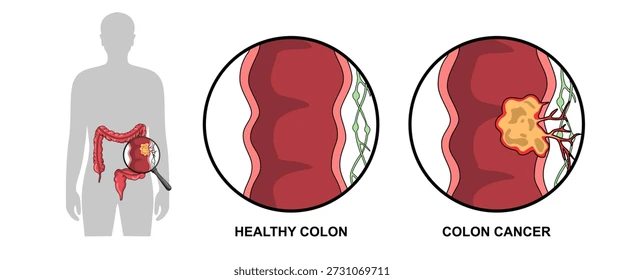
Colon cancer treatment is rarely one-size-fits-all. Depending on the stage and the patient’s health, treatment may involve surgery, chemotherapy, targeted therapy, or a combination of these. The goal is always to remove or control the cancer while preserving normal bowel function.
Early-stage colon cancers are often treated effectively with surgery alone, while advanced cases need a combined approach. Knowing about these options helps patients feel more in control of their recovery journey. You can also read our guide on understanding colon cancer to learn how the disease develops.
Wondering why two patients get different treatments? Let’s explore what shapes each plan.
What Determines the Right Treatment Plan
No two cases of colon cancer are identical, and several factors guide the final plan:
Stage of the cancer:
How deep the tumor has grown and whether it has spread.
Tumor location:
Which part of the colon is affected?
Overall health:
The patient’s age, fitness, and other medical conditions.
Each plan is carefully personalized to balance effective treatment with quality of life.
Genetic factors:
Certain mutations can influence which therapies are most effective.
Lymph node involvement:
Whether cancer has reached nearby nodes.
Is surgery always part of colon cancer treatment? Let’s discover why it remains the foundation of care.
Surgery as the Main Treatment for Colon Cancer
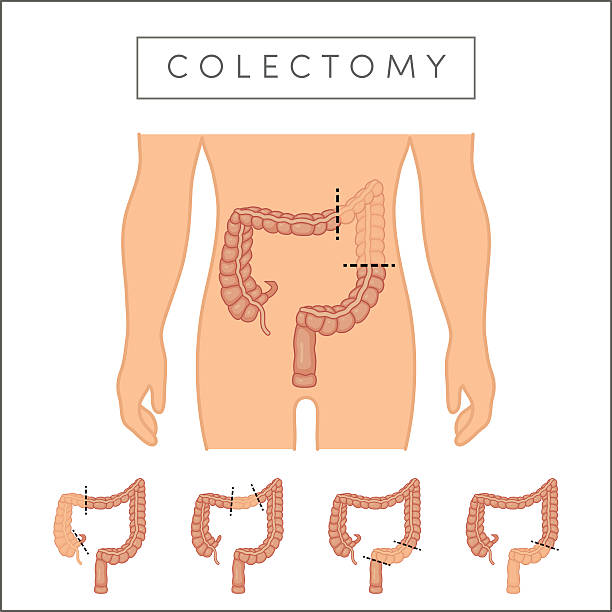
Surgery is the primary treatment for most colon cancers. The most common procedure is a colectomy, where the affected part of the colon is removed along with nearby lymph nodes. The healthy ends are then reconnected, allowing the bowel to function normally in most cases.
When colon cancer is detected early, surgery alone is often enough to treat the disease completely and achieve lasting control. In more advanced cases, surgery is combined with chemotherapy to improve outcomes and lower the risk of recurrence.
Need Assistance?
Timely surgery offers the strongest chance of a cure. Speak with a specialist to discuss the right surgical approach.
Did you know colon surgery no longer means a large incision? Let’s explore the benefits of minimally invasive techniques.
Minimally Invasive Surgery: Laparoscopic and Robotic
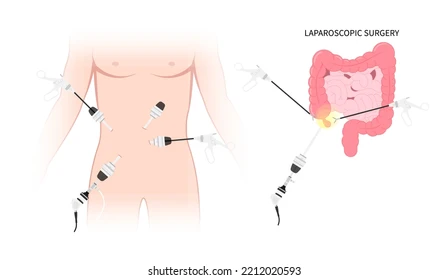
Modern colon cancer surgery is increasingly performed using minimally invasive methods. These offer real advantages over traditional open surgery:
Smaller incisions:
Less scarring and reduced pain after surgery.
Faster recovery:
Shorter hospital stays and a quicker return to daily life.
Less blood loss:
Greater precision during the procedure.
Lower infection risk:
Smaller wounds heal more easily.
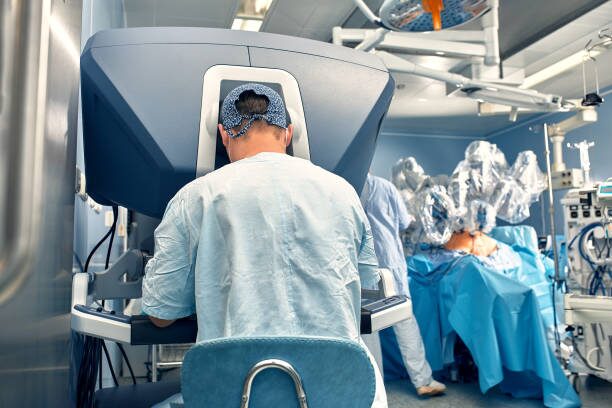
Robotic surgery adds even greater precision, as seen in robotic-assisted procedures, making it ideal for complex cases.
Does every colon cancer patient need chemotherapy? Let’s discuss when this treatment becomes essential.
When Chemotherapy Is Needed
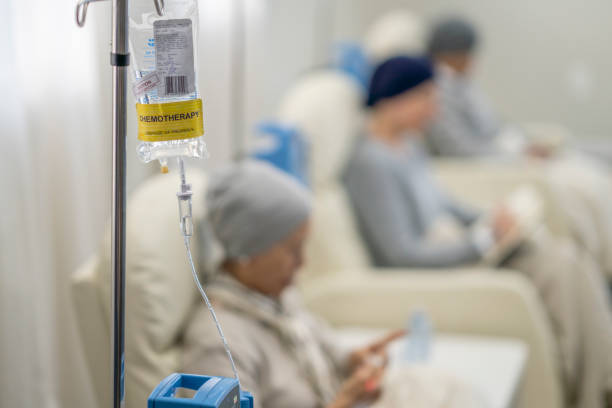
Chemotherapy uses drugs to destroy cancer cells throughout the body. It is not always needed for early colon cancer, but it becomes important when the cancer has spread to lymph nodes or beyond. It may be given after surgery to lower the risk of recurrence, or before surgery in selected cases.
Chemotherapy is also a key tool in managing advanced and metastatic colon cancer, helping to control the disease and extend survival.
Curious about the newer options beyond chemotherapy? Let’s explore these advanced treatments.
Targeted Therapy and Immunotherapy
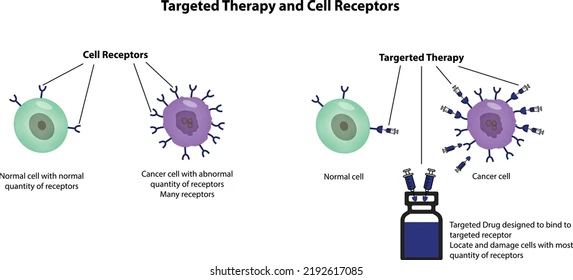
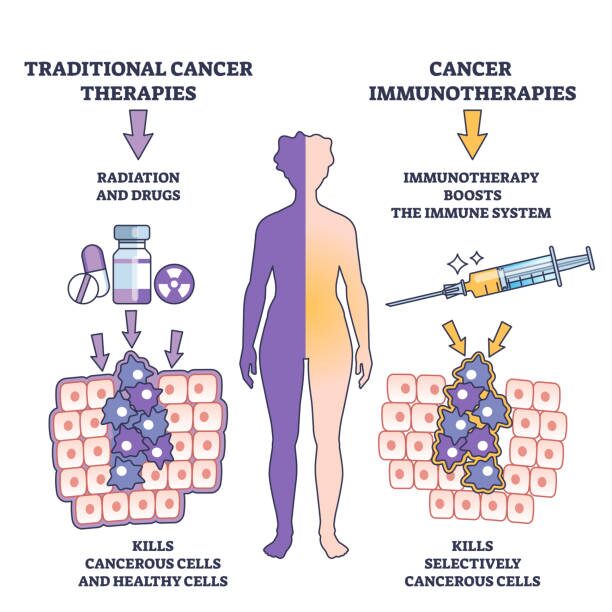
Targeted and immunotherapies represent major advances in colon cancer care. Targeted therapy uses drugs that attack specific features of cancer cells, sparing healthy tissue. Immunotherapy helps the body’s own immune system recognize and destroy cancer cells.
These therapies are mainly used in advanced cases or for tumors with specific genetic markers. For many patients, they offer new hope where standard treatments are limited.
How does treatment change as the cancer advances? Let’s explore the approach for each stage.
Treatment by Stage of Colon Cancer
Colon cancer is staged using the TNM system, which assesses the Tumor depth, Node involvement, and Metastasis to distant organs. Together, these define an overall stage from 0 to IV that guides the treatment plan.
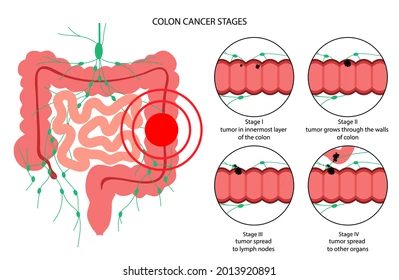
Stage 0:
Cancer is confined to the inner lining and is usually removed during colonoscopy or minor surgery.
Stage I:
The tumor is localized and treated with surgery alone in most cases.
Stage II:
Surgery is the main treatment, with chemotherapy added for higher-risk cases.
To understand how stages are defined, see our guide on the staging of colon cancer.
Stage III:
A combination of surgery and chemotherapy is standard, as the cancer has reached the lymph nodes.
Stage IV:
Treatment combines surgery, chemotherapy, targeted therapy, and immunotherapy to control spread.
What does life look like after colon cancer treatment? Let’s discover what recovery involves.
Recovery and Life After Cancer Treatment
Recovery depends on the type of treatment and the stage of the cancer. Most patients recover well after minimally invasive surgery, returning to normal activities within a few weeks—a balanced diet, gradual activity, and regular follow-up support healing and overall well-being.
Long-term surveillance through scans and colonoscopies helps catch any recurrence early. With the right care and monitoring, many patients go on to live full, healthy lives.
Choosing the right specialist is critical to a successful outcome. Here is what distinguishes Dr. Sandeep Nayak in colon cancer care
Why Choose Dr. Sandeep Nayak for Colon Cancer Treatment
High-Volume Surgical Experience:
A consistently large caseload of colon cancer surgeries translates into refined technique and dependable results.
Evidence-Based Treatment Protocols:
Plans follow internationally accepted guidelines, ensuring each patient receives care aligned with current best practice.
Precision in Lymph Node Clearance:
Skilled in D3 dissection, he achieves thorough lymph node removal, improving staging accuracy and reducing recurrence risk.

Capability in Advanced Procedures:
Trained to perform CRS and HIPEC for peritoneal spread, offering options that many centers cannot provide.
Minimally Invasive Specialization:
Extensive expertise in laparoscopic and robotic surgery leads to smaller incisions, reduced blood loss, and quicker recovery.
Organ and Function Preservation:
Surgery is designed to retain a healthy colon and natural bowel function wherever clinically feasible.
Coordinated Multidisciplinary Care:
Surgeons, medical oncologists, and support teams work together to manage every aspect of treatment.
Structured Follow-Up and Surveillance:
A clear post-treatment monitoring plan helps detect any recurrence early and supports long-term recovery.
Need Assistance?
Early, expert care offers the best chance of a full recovery. Connect with a specialist to begin your treatment journey.
FAQ
1. Is colon cancer curable?
Yes, especially when caught early. Stage 0 and Stage I colon cancers are often cured with surgery alone.
2. Does colon cancer always need chemotherapy?
No. Early-stage cancers may not need it, while it is required for cancers that have spread to lymph nodes.
3. What is the difference between laparoscopic and robotic surgery?
Both are minimally invasive, but robotic surgery offers greater precision and control in complex cases.
4. Can colon cancer come back after treatment?
Yes, recurrence is possible, which is why regular follow-up and surveillance are essential.
5. Will I need a stoma after colon cancer surgery?
Most colon surgeries do not require a permanent stoma, as the healthy ends of the bowel are usually reconnected.
Disclaimer: The information shared in this content is for educational purposes and not for promotional use.