
Recovery and Enhanced Recovery Pathway for Colon Cancer
Surgery is just one chapter of the colon cancer journey. The real test often begins the moment a patient leaves the operating theatre. How well someone recovers shapes everything: their pain levels, hospital stay, return to normal life, and long-term outcome. This is exactly why Enhanced Recovery After Surgery (ERAS) protocols have transformed colon cancer care worldwide. Instead of leaving recovery to chance, the entire process is mapped out, supported, and tracked from day one.
According to Dr. Sandeep Nayak, a leading oncologist in India, “Recovery is where the real work of cancer care happens. A well-planned ERAS pathway can cut hospital stays in half and significantly lower complication rates. For patients, that means less pain, faster healing, and a quicker return to the life they had before the diagnosis.”
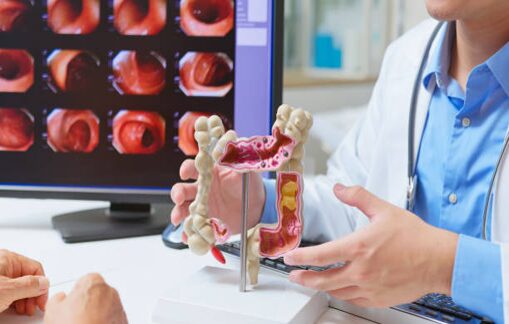
At MACS Clinic, led by Dr. Sandeep Nayak, the recovery and enhanced recovery pathway for colon cancer is built on years of clinical experience. With 20+ years of expertise in cancer treatment in Bangalore, Dr. Nayak and his team focus not just on eliminating the disease but also on helping patients return to a strong, full life as quickly and safely as possible.
Introduction to Colon Cancer Recovery
Colon cancer recovery isn’t a single event. It’s a phase that unfolds over weeks and months, with different needs at every stage.
The road back includes physical healing from surgery, regaining digestive function, rebuilding stamina, managing chemotherapy side effects, and slowly returning to work, exercise, and family life. For many patients, the body needs time. The mind needs space. And the medical team needs to stay actively involved long after the surgery itself ends.
A clear recovery pathway brings predictability to a process that otherwise feels chaotic. That’s the difference good post-cancer care makes.
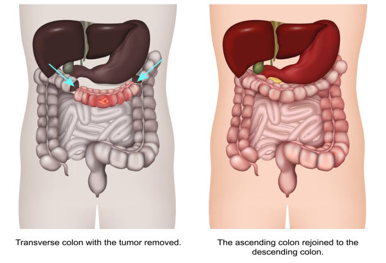
Want a clear roadmap for the months after surgery?
Connect with an expert today and walk away with a step-by-step recovery plan.
Why do some patients heal faster than others? Often, it’s the plan, not the surgery.
The Importance of a Structured Recovery Pathway
Recovery without a plan is recovery left to chance. And chance isn’t something colon cancer patients can afford.
A structured pathway like ERAS brings together all aspects of post-surgery care into a single, coordinated approach. Pain management, nutrition, early mobility, fluid balance, infection prevention, and follow-up testing all follow a schedule aligned with the body’s actual needs at each stage.
The benefits are real and measurable:
Faster recovery times, often by 30 to 50 percent
Shorter hospital stays, sometimes by several days
Fewer post-op complications like infections and clots
Lower readmission rates
Better overall pain control with reduced opioid dependency
Quicker return to daily life and work
ERAS doesn’t replace expert clinical judgment. It enhances it.
Want to know what each phase of healing actually feels like? Here’s the timeline broken down.
Stages of Recovery After Colon Cancer Treatment
Recovery moves in stages. Each one comes with its own goals, challenges, and milestones. Knowing what to expect makes the process less stressful for both patients and families.
Immediate Post-Op (Days 1 to 3)
Pain control, fluid management, and early walking. Some patients sip clear fluids within hours of surgery
Early Recovery (Days 4 to 7)
Soft diet introduction, gradual increase in mobility, and hospital discharge for most patients
Home Recovery (Weeks 2 to 4)
Wound healing, return of bowel function, light household activity, and follow-up consultations
Mid-Recovery (Weeks 5 to 8)
Energy comes back, light exercise begins, and return to part-time work for many
Long-Term Recovery (3 Months Onward)
Full lifestyle return, structured surveillance scans, and lab tests to catch any recurrence early
Recovery looks slightly different for everyone. Age, fitness, type of surgery, and any chemotherapy plan all shape the timeline.
The first few weeks decide a lot. Here’s what proper post-op care looks like.
Post-Surgery Care and Support
The first few weeks after colon cancer surgery are the most fragile. Small things matter. Big mistakes can significantly set recovery back. Here’s what proper post-surgery care actually looks like at MACS Clinic:
Pain Management
Multimodal pain control that minimizes strong opioids and reduces side effects

Wound Care
Daily inspection, infection prevention, and clear instructions for home care
Bowel Function Recovery
Gentle dietary progression and bowel motility support
Hydration & Nutrition
Carefully managed fluid intake and gradual return to solid foods
Early Mobility
Walking is encouraged within hours of surgery to prevent clots and speed healing
Medication Review
Antibiotics, blood thinners, and pain meds were all adjusted to the patient’s response
Follow-Up Schedule:
Clear check-up dates with the surgical team and an oncologist if chemotherapy is needed
What goes on the plate after surgery matters as much as the surgery itself.
Nutrition and Lifestyle Changes for Optimal Recovery
Food is medicine after colon cancer surgery. So is movement, sleep, and stress control. Recovery accelerates when the right habits replace the old ones.
A few simple but powerful changes patients are guided through:
Smaller, More Frequent Meals:
Easier on a healing gut than three large meals a day
High-Protein, Low-Fat Choices:
Eggs, fish, paneer, lentils, and tofu support tissue healing
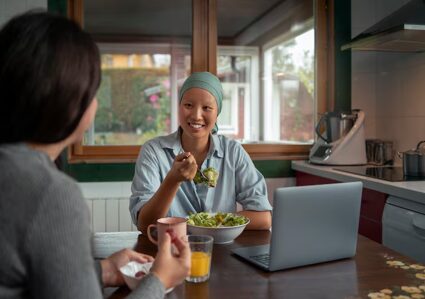
Plenty of Fiber, Slowly Reintroduced:
Whole grains, fruits, and vegetables come back in stages, not all at once
Hydration Discipline: 2 to 3 litres of water daily, unless restricted by the medical team
2 to 3 litres of water daily, unless restricted by the medical team
Limited Red & Processed Meats:
Especially important for colon cancer patients in the long term
Daily Walking:
Starts gently, builds up over weeks
No Smoking, Limited Alcohol:
Both interfere with healing and raise recurrence risk
Quality Sleep:
7 to 8 hours nightly to support immune function and tissue repair
Small choices stack up. Over the weeks, they completely reshape recovery.
Managing Side Effects and Complications During Recovery
Even with the best care, recovery can throw up speed bumps. Knowing what’s normal and what isn’t makes a huge difference in how calmly you handle things.
Common side effects and how they’re managed:
Fatigue:
Gradual activity build-up and proper nutrition usually resolve this over a few weeks
Bowel Changes:
Loose stools, urgency, or constipation are common and managed with diet and medication
Loss of Appetite:
Smaller meals and high-calorie nutritional support help bridge the gap
Nausea (especially with chemotherapy):
Anti-nausea medication and timing meals around chemo cycles
Wound Discomfort:
Settled with proper pain control and wound care
Numbness or Tingling:
Particularly with chemo, managed with dose adjustments and supportive care
Anemia:
Identified early through routine blood work and treated with iron, B12, or transfusions if needed
Red flags like high fever, severe abdominal pain, heavy bleeding, or sudden breathing issues need immediate medical attention. Patients are clearly briefed on what to watch for.
The body heals. But what about the mind? That part deserves attention, too.
Psychological Support and Counseling During Recovery
Recovery isn’t just physical. The emotional weight of a cancer diagnosis often hits hardest in the weeks and months after treatment ends. Patients describe it as the moment everything sinks in.
The team MACS acknowledges this openly. Mental and emotional well-being are treated as part of recovery, not separate from it.
Counseling Sessions:
Open, judgment-free conversations with trained professionals
Family Support Discussions:
Bringing partners and children into the recovery conversation

Anxiety and Sleep Management:
Practical tools and, when needed, medical support
Survivorship Mindset Coaching:
Shifting from patient mode to a long-term thriving mindset
Peer Support Networks:
Connecting patients with others who’ve walked the same path
Daily Walking:
Starts gently, builds up over weeks
Return-to-Work Planning:
Practical guidance on pacing, communication, and confidence-building
A strong mind speeds up a strong body. Both deserve attention.
Looking for a team that walks you through the entire recovery journey? Here’s what makes the MACS recovery pathway different
Why Choose Our Enhanced Recovery Pathway for Colon Cancer
Plenty of hospitals talk about ERAS. Far fewer execute it consistently. Here’s what patients walk into when they choose Dr. Sandeep Nayak’s team for cancer treatment in Bangalore:
20+ Years of Surgical Oncology Experience:
Decades of focused work in colon and rectal cancer cases
Pioneer in Minimally Invasive Surgery:
Robotic and laparoscopic techniques that reduce trauma and speed up recovery
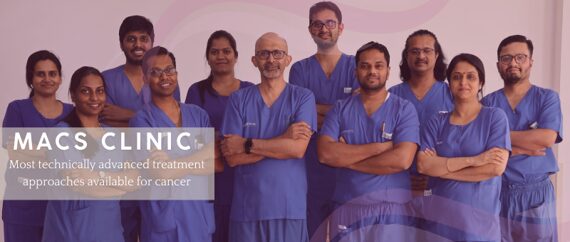
Multidisciplinary Recovery Team:
Surgeons, medical oncologists, dieticians, physiotherapists, and counselors working together on every case
Globally Recognized Surgeon:
Patients fly in from the USA, UK, UAE, Nigeria, Bangladesh, and beyond
Structured ERAS Protocol:
Mapped out from the day before surgery to the months that follow, with no gaps in the plan
Honest Patient Communication:
Clear talk about realistic timelines, possible complications, and follow-up needs
Long-Term Survivorship Care:
Recurrence surveillance, lifestyle support, and ongoing access to the medical team
According to research published by the National Library of Medicine, Enhanced Recovery After Surgery protocols significantly reduce hospital stays, complication rates, and recovery times in colorectal cancer patients when applied consistently.
Trust expert hands and a recovery plan that actually works. Reach out to an expert today and start the journey toward stronger, faster healing.
FAQ
1. How long does recovery from colon cancer surgery take?
Most patients are back to normal daily activities within 6 to 8 weeks. Full recovery, including chemotherapy if needed, can stretch over 3 to 6 months.
2. When can I start eating normally again?
Often earlier than the standard age of 45, sometimes in the 20s or 30s, depending on your family history.
3. How can I prevent the cancer from coming back?
A healthy diet, regular exercise, no smoking, limited alcohol intake, and structured surveillance scans all play a role in reducing the risk of recurrence.
4. What foods should I avoid after surgery?
Spicy, oily, and processed foods are usually limited. Red meat is restricted for the long term. Doctors give a personalized plan during discharge.
5. Will I need a stoma after colon cancer surgery?
Not always. Many patients don’t need stomas with modern surgical techniques. When required, it may be temporary or permanent, depending on the case.
Disclaimer: The information shared in this content is for educational purposes and not for promotional use.