
Cytoreductive Surgery (CRS) and HIPEC in India
Cancer touches millions of lives each year, and when it spreads inside the abdominal cavity, the situation often feels overwhelming. Advanced cases of colon cancer, ovarian cancer, appendix cancer, and pseudomyxoma peritonei can scatter tumors across the peritoneum, making them hard to treat with surgery or chemotherapy alone. That’s where Cytoreductive Surgery (CRS) combined with HIPEC steps in, removing visible tumors and washing the abdomen with heated chemotherapy to destroy microscopic cancer cells.
According to Dr. Sandeep Nayak, a globally renowned surgical oncologist in India, “CRS and HIPEC have changed how we approach peritoneal cancers. For carefully selected patients, it offers a real chance at long-term remission, and in some cases, even a cure.”
At MACS Clinic, under the care of Dr. Sandeep Nayak, patients receive expert care for Cytoreductive Surgery (CRS) and HIPEC in India. With a strong track record in cancer treatment in Bangalore, Dr. Nayak and his multidisciplinary team have helped patients from across India and abroad navigate complex peritoneal cancer cases with precision and care.
Heard of this advanced treatment, but are unsure how it actually works? Let’s break it down in simple terms.
What is Cytoreductive Surgery (CRS) and HIPEC?
CRS, or Cytoreductive Surgery, is the careful surgical removal of all visible tumors inside the abdominal cavity. Affected organs or parts of organs may be removed depending on where the disease has spread.
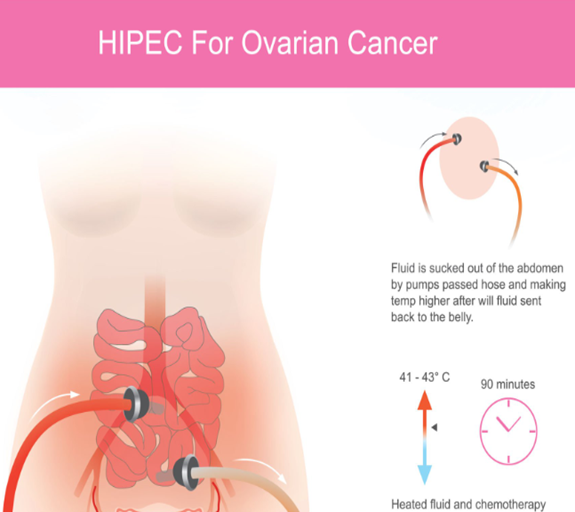

HIPEC stands for Hyperthermic Intraperitoneal Chemotherapy. Once the surgeon completes tumor removal, heated chemotherapy at 41 to 43°C is circulated inside the abdomen for around 60 to 90 minutes. The heat boosts the drug’s effect and helps destroy microscopic cancer cells that surgery alone cannot remove.
Together, CRS and HIPEC offer a far more aggressive yet targeted approach to peritoneal cancers than standard treatment.
Need Assistance?
Want clarity on whether this procedure is suitable for a personal case? Get in touch with an expert today and get a clear medical opinion.
Not every type of cancer is treated this way, so what conditions actually qualify? Let’s discover the cases where this procedure works best.
Which Cancers Can Be Treated with CRS and HIPEC?
CRS and HIPEC are especially useful when cancer has spread to the lining of the abdominal cavity (the peritoneum) but not to distant organs. The procedure is commonly used for:
Colon Cancer with peritoneal spread
Appendix cancer, including pseudomyxoma peritonei
Ovarian cancer, especially advanced or recurrent cases
Stomach (gastric) cancer with peritoneal involvement
Mesothelioma of the peritoneum
Rare sarcomas affecting the abdominal lining
Eligibility depends on tumor spread, organ involvement, and overall health. A detailed evaluation is needed before deciding if surgery is the right path.
Want to know if this surgery is the right choice for a specific case? Let’s explore the key factors that decide eligibility.
Who is the Ideal Candidate for CRS and HIPEC?
Not every patient with peritoneal cancer is suited for CRS and HIPEC. The ideal candidate generally:
Has cancer limited to the peritoneal cavity, without spread to distant organs like the lungs or brain
Has a tumor load that can be fully removed during surgery
Is in good general health to handle a long, complex procedure
Has acceptable heart, lung, and kidney function
Has not had multiple prior abdominal surgeries that ruled out further intervention
Has a confirmed diagnosis with proper imaging and biopsy reports
A multidisciplinary team reviews each case before recommending surgery. If CRS and HIPEC aren’t suitable, alternative treatment options are discussed honestly.
Why are oncologists across the globe choosing this combined procedure for advanced cancers? Let’s explore the real benefits behind it
Benefits of CRS and HIPEC for Advanced Cancer Care
CRS and HIPEC offer what conventional chemotherapy alone often can’t: a chance at long-term disease control or even a cure in carefully selected cases. Other key benefits include:
Direct Drug Delivery: Heated chemo reaches cancer cells inside the abdomen at much higher concentrations than IV chemotherapy.
Better Survival Outcomes: Studies show significant improvements in 5-year survival for select peritoneal cancers.
Microscopic Cancer Control: HIPEC targets tumor cells too small to remove surgically.
One-Time Treatment Session: Both surgery and chemotherapy are done in a single procedure.
Reduced Need for Long-Term IV Chemo: Many patients require fewer chemotherapy cycles afterward.
Improved Quality of Life: Symptoms like bloating, pain, and obstruction often improve once tumor load is reduced.
Results depend on cancer type, tumor spread, and overall fitness. The specialist explains realistic outcomes during consultation.
How Dr. Sandeep Nayak Performs CRS and HIPEC Treatment
Dr. Nayak follows a clear, evidence-based protocol that prioritizes patient safety, long-term outcomes, and quality of life.
1. Detailed Evaluation
Imaging review, biopsy confirmation, blood work, and fitness assessment before surgery is planned.
3. Cytoreductive Surgery
All visible tumors and affected tissue are carefully removed using advanced surgical techniques.
5. Intensive Post-Op Care
Patients are closely monitored in the ICU for the first few days to manage recovery.
6. Long-Term Follow-Up
Regular check-ups, imaging, and lab tests over the following years to track recovery and detect any recurrence early.
2. Multidisciplinary Team Discussion
Medical oncologists, radiologists, anesthetists, and surgeons meet to decide the best plan.
4. HIPEC Procedure
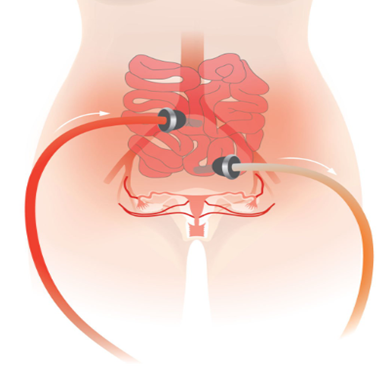
Heated chemotherapy at 41 to 43°C is circulated inside the abdomen under controlled conditions for 60 to 90 minutes.
Worried about how long it really takes to bounce back after this major surgery? Let’s discuss what recovery looks like, week by week.
Recovery Timeline After CRS and HIPEC Surgery
Recovery from CRS and HIPEC treatment usually takes some time, following a pattern such as this one:
First week: Patient’s stay in hospital ICU and surgical ward, focus on pain control, fluids, and infection prevention.
Second to third weeks: Slow introduction of soft diet, physical movements, and discharge once stable.
Fourth to sixth weeks: Gentle activities at home, wound care, and follow-ups.
Second to third months: Increased energy levels, return to work part-time, and gentle exercise to rebuild strength.
Six months onward: Return to full lifestyle, with regular checkups.
This is the general pattern of recovery, depending on factors such as the patient’s age, health, and the complexity of the surgery. Each patient is given a proper postoperative care guide.
Heard that India offers world-class cancer care at a much lower cost? Let’s explore the value patients actually get without compromising on quality
Cost of Cytoreductive Surgery (CRS) and HIPEC in India
The cost of Cytoreductive Surgery (CRS) and HIPEC in India is significantly lower than in the USA, UK, or Europe, while still meeting global clinical standards. Several factors influence the final price:
Extent of Surgery: Number of organs involved and complexity of tumor removal.
HIPEC Drug & Duration: Type of chemotherapy used and length of perfusion.
Hospital Stay: ICU days plus regular ward stay.
Pre-Op Diagnostics: Imaging, biopsies, blood work, and fitness assessments.
Post-Op Care: Follow-up visits, imaging, and supportive care.
A complete cost breakdown is shared after evaluation, with no hidden charges.
Looking for a surgeon who combines deep expertise with genuine patient care? Let’s discover what sets Dr. Sandeep Nayak apart for CRS and HIPEC treatment.
Why Choose Dr. Sandeep Nayak for CRS and HIPEC Treatment
20+ Years of Experience: Decades of focused expertise in surgical oncology and complex abdominal cancers.
Globally Recognized Surgeon: Trusted by patients across India and from countries including the USA, UK, UAE, Nigeria, and Bangladesh.
Pioneer in Minimally Invasive Surgery: Skilled in robotic and laparoscopic techniques alongside open procedures.
Multidisciplinary Care: Backed by a team of medical oncologists, radiation oncologists, and supportive care specialists.
Advanced Hospital Infrastructure: Surgeries performed at top-tier facilities in Bangalore with full ICU and oncology support.
Honest Case Review: Clear discussion of options, risks, and realistic outcomes. No false promises.

Need Assistance?
Don’t let advanced cancer feel like the end of the road. Connect with a specialist today and discover the next step toward stronger, hopeful care.
FAQ
Is CRS and HIPEC a major surgery?
Yes, it’s a complex procedure that can take 8 to 12 hours, depending on the tumor’s spread. It requires expert surgical teams and ICU support.
Is HIPEC chemotherapy painful?
The HIPEC step is done under anesthesia, so there’s no pain during the procedure. Some discomfort is expected during recovery.
Can CRS and HIPEC cure cancer?
In carefully selected cases, especially appendix cancer and pseudomyxoma peritonei, long-term remission or cure is possible.
What's the success rate of CRS and HIPEC?
5-year survival rates of 40 to 70 percent have been reported, depending on cancer type and tumor load.
How are CRS and HIPEC different from regular chemotherapy?
Regular chemo travels through the bloodstream. HIPEC is delivered directly into the abdomen at high heat for a stronger local effect.
Disclaimer: The information shared in this content is for educational purposes and not for promotional use.