
Life After Rectal Cancer Surgery: What to Expect
Rectal cancer surgery marks the end of one chapter and the beginning of another. Life after rectal cancer surgery is not a single experience. It varies depending on the type of surgery performed, whether a stoma was needed, and how each individual heals. For most patients, the weeks and months that follow bring a mix of physical adjustment, gradual improvement, and a steady return to the life they had before.
“Life after rectal cancer surgery is shaped as much by the quality of post-operative care as by the surgery itself,” says Dr. Sandeep Nayak. “Structured follow-up, honest guidance, and early intervention when needed are what turn a good operation into a good outcome.”
This page covers the key areas patients ask about most, from bowel changes and diet to emotional wellbeing and long-term follow-up, all guided by the expertise of Dr. Sandeep Nayak, a globally recognized surgical oncologist in India and a trusted name in rectal cancer treatment in Bangalore.
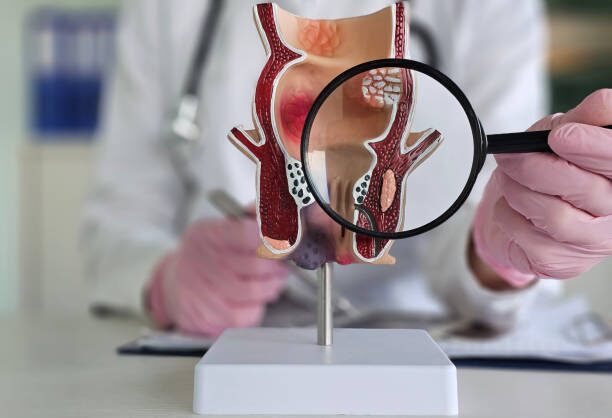
The First Few Weeks After Surgery
The first few weeks after rectal cancer surgery are a period of gradual adjustment. Most patients feel tired, and this is entirely normal as the body directs energy toward healing. Pain is usually well controlled and decreases steadily each day.
Key things to expect in this period include:
Fatigue: Energy levels are lower than usual and improve progressively over several weeks.
Wound care: Surgical wounds need to be kept clean and dry, with any signs of redness or discharge reported promptly.
Limited activity: Light walking is encouraged, but heavy lifting and strenuous activity should be avoided for at least six weeks.
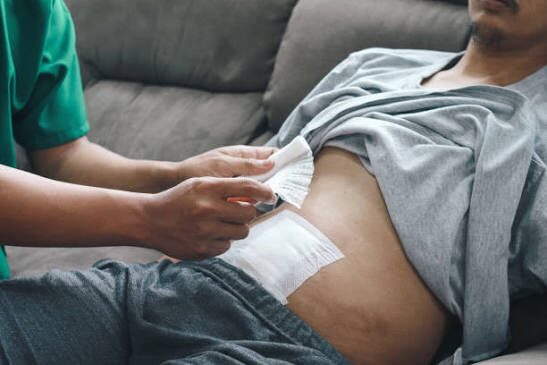
Follow-up visits: The first post-operative appointment is usually within one to two weeks of discharge.
Bowel irregularity : Changes in bowel habits are common and usually settle over time.
Will bowel habits ever return to normal? Let’s discover how bowel function changes and what to expect over time.
Changes in Bowel Function and How They Settle
Changes in bowel function are among the most common concerns after rectal cancer surgery. The extent of change depends on how much of the rectum was removed and where the tumor was located. Common changes include:
Increased frequency : Patients may need to open their bowels more often than before.
Urgency: A sudden, strong need to use the bathroom can occur.
Incomplete emptying : A feeling that the bowel has not fully emptied after going to the toilet.
Loose or fragmented stools: Stool consistency may change, particularly in the early months.
Pre-operative counseling: Patients are informed about what to expect at every stage, reducing anxiety.
For most patients, these changes improve significantly over the first six to twelve months as the bowel adapts. Dietary adjustments, pelvic floor exercises, and medication can all help manage symptoms during this period.

Experiencing unusual bowel changes after rectal surgery? Let’s explore what LARS is and how it is managed.
Understanding Low Anterior Resection Syndrome (LARS)
Low Anterior Resection Syndrome, or LARS, is a cluster of bowel symptoms that can occur after surgery to remove part of the rectum. It includes urgency, frequency, incomplete emptying, and in some cases, difficulty controlling wind or stool. It is more common after surgery for low rectal cancers where a larger portion of the rectum is removed.
LARS is not a complication of poor surgery. It is a recognized consequence of rectal resection that affects many patients to varying degrees. Management includes:
Dietary modification:
Adjusting fiber and fluid intake to improve stool consistency.
Pelvic floor rehabilitation:
Specialist physiotherapist-guided exercises.
Bowel retraining:
Developing a regular toileting routine.
Medication:
In some cases, medicines help manage urgency and frequency.

Transanal irrigation:
A technique used to improve bowel control in more significant cases.
Most patients see meaningful improvement over time with the right support and management plan.
LARS is manageable with the right guidance.
Connect with a specialist to explore a plan suited to your symptoms.
What is it like to live with a stoma, and when can it be reversed? Let’s discuss what patients need to know.
Living With a Temporary Stoma (and Its Reversal)
For most patients, the stoma is temporary and can be reversed once healing is confirmed, usually within three to six months of the original surgery. Living with a stoma in the interim involves:
Learning to manage the pouch:
Stoma nurses provide hands-on training and ongoing support.
Skin care around the stoma:
Keeping the surrounding skin healthy is an important daily routine.
Diet adjustments:
Certain foods affect output consistency and volume.
Returning to normal activities:
Most patients with a stoma can swim, travel, work, and socialize as before.
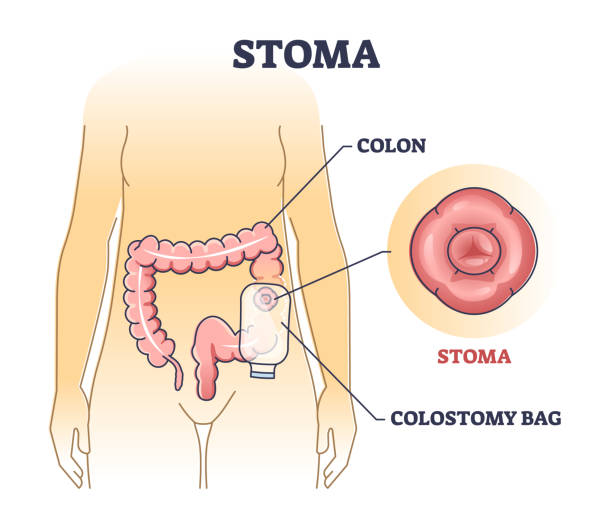
Stoma reversal surgery is a planned procedure that restores normal bowel continuity. Many patients describe reversal as a significant milestone in their recovery.
What should patients eat after rectal cancer surgery? Let’s explore the dietary guidance that supports recovery.
Diet and Nutrition After Rectal Surgery
Nutrition plays a central role in recovery after rectal surgery. In the early weeks, the digestive system is adjusting, and eating the right foods can make a significant difference to comfort and healing.
General dietary guidance includes:
Start with small, frequent meals:
Smaller portions are easier to digest in the early recovery period.
Prioritize protein:
Chicken, fish, eggs, and dairy support wound healing and muscle recovery.
Stay well hydrated:
Adequate fluid intake supports bowel function and overall recovery.
Introduce fiber gradually:
Too much fiber too soon can cause discomfort; build up slowly over weeks.
Limit gas-producing foods:
Beans, onions, and fizzy drinks can cause bloating in the early months.
Avoid spicy and heavily processed foods:
These can irritate the bowel during recovery.

A registered dietitian can provide a personalized plan, and many patients benefit from specialist dietary support as part of their recovery.
When is it safe to go back to work and exercise? Let’s discover a realistic timeline for resuming normal life.
Returning to Work, Exercise, and Daily Life
Returning to normal life is a gradual process, and the timeline varies depending on the type of surgery and individual recovery. General guidance includes:
Light activities: Short walks and gentle movement can begin within days of discharge.
Driving: Most patients can drive again after four to six weeks, once pain and reflexes are back to normal.
Desk-based work: Many patients return to office or home-based work within four to six weeks.
Physical or manual work: Jobs involving lifting or physical strain may require eight to twelve weeks or longer.
Exercise: Light exercise such as walking and swimming can resume after six weeks, with more strenuous activity introduced gradually.
Sexual activity: Can resume after six to eight weeks, though changes in sensation or function should be discussed with the care team.
Every patient progresses at their own pace, and returning too early can slow overall recovery.

Is it normal to feel anxious or low after cancer surgery? Let’s explore the emotional side of recovery.
Emotional and Mental Wellbeing
The emotional impact of rectal cancer surgery is real and often underestimated. Feelings of anxiety, low mood, and uncertainty about the future are common and entirely understandable. Many patients also experience fear of recurrence, changes in body image, or frustration at the pace of recovery.
Support strategies that help include:
Talking openly : Sharing concerns with the care team, family, or close friends.
Professional counseling : A psychologist or counselor experienced in cancer care can provide meaningful support.
Support groups : Connecting with others who have had similar experiences reduces isolation.
Mindfulness and relaxation : Techniques that reduce stress and improve sleep.
Physical activity : Even gentle walking has a proven positive effect on mood and mental health.
Emotional recovery is part of overall recovery and deserves the same attention as physical healing.

What happens after discharge and how long does follow-up continue? Let’s explore the importance of long-term monitoring.
Follow-Up Care and Long-Term Surveillance
Follow-up care after rectal cancer surgery is structured and ongoing. Regular monitoring helps detect any recurrence early, when it is most treatable, and tracks overall recovery. A typical surveillance plan includes:
Clinical review:
Regular appointments to assess symptoms, recovery, and well-being.
CT scans:
Usually performed every six to twelve months for the first few years.
MRI scans:
Used selectively based on clinical findings.
CEA blood tests:
The tumor marker is checked periodically to detect signs of recurrence.
Colonoscopy:
Scheduled at regular intervals to check the remaining bowel.
Surveillance continues for at least five years, with the frequency of tests reducing over time as the risk of recurrence decreases.
Uncertain about which symptoms need urgent attention? Let’s discuss the warning signs that require prompt medical review.
When to Call Your Doctor
Most symptoms after rectal surgery are expected and resolve on their own, but some require prompt attention. Contact the care team if any of the following occur:
- Fever above 38 degrees: May indicate an infection.
- Increasing pain: Pain that is getting worse rather than better after the first few days.
- Redness or discharge from the wound: Signs of wound infection or breakdown.
- Inability to open bowels: Particularly if accompanied by bloating and nausea.
- Rectal bleeding: Any significant or unexpected bleeding should be reviewed.
- Shortness of breath or chest pain: May signal a blood clot and requires urgent assessment.
- Swelling or pain in the legs: Another possible sign of deep vein thrombosis.
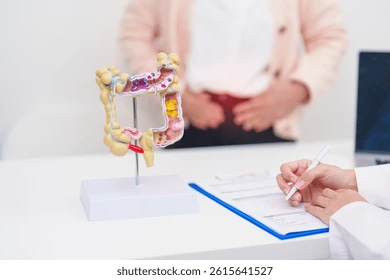
The quality of life after rectal cancer surgery depends greatly on the skill and approach of the surgeon. Here is what distinguishes Dr. Sandeep Nayak.
Why Choose Dr. Sandeep Nayak for Rectal Cancer Care
The quality of surgical care directly shapes how well and how quickly a patient recovers. Here is what distinguishes Dr. Sandeep Nayak in rectal cancer surgery.
Surgery Planned Around Long-Term Life
Every operative decision considers not just cancer control but how the patient will live and function after surgery.
Stoma Avoidance Where Possible
Sphincter-saving techniques are used wherever clinically safe, preserving bowel continuity and natural function.
LARS Management Built Into Care
Patients are supported through bowel recovery with physiotherapy, dietary guidance, and specialist review as standard.
Robotic Precision for Better Recovery
His robotic surgical technique minimizes tissue trauma, directly reducing post-operative pain and speeding up bowel recovery.
Proven Track Record in Rectal Surgery
Consistent outcomes across a large volume of rectal cancer cases reflect disciplined technique and thorough follow-up care.

The right specialist shapes not just your surgery but the life that follows.
Get in touch with an expert to begin your care with confidence.Get in touch with an expert to begin your care with confidence.
FAQ
1. How long does recovery take after rectal cancer surgery?
Most patients feel significantly better within six weeks, though full adjustment, particularly of bowel function, can take up to twelve months.
2. Will my bowel function ever return to normal?
For many patients, bowel function improves significantly over time. Some changes may persist but can be managed effectively with the right support.
3. Will I need a permanent stoma?
Many patients have a temporary stoma that is reversed within three to six months. A permanent stoma is needed only in specific cases where sphincter preservation is not possible.
4. What are the signs of recurrence after rectal cancer surgery?
Symptoms such as new rectal bleeding, unexplained weight loss, persistent pain, or changes in bowel habits should be reported promptly.
5. Is sexual function affected after rectal surgery?
It can be, depending on the extent of surgery. This is an important topic to discuss with the surgical team before and after the procedure.
Disclaimer: The information shared in this content is for educational purposes and not for promotional use.