
Nutrition and Activity After Surgery
What patients eat, drink, and do in the weeks after surgery can make or break their recovery. That’s not an exaggeration. The body has just been through a major event and needs the right fuel and movement to heal properly. Skip either one, and recovery slows down. Get them right, and the difference shows up everywhere: less fatigue, fewer complications, better sleep, faster return to work, stronger long-term outcomes.
According to Dr. Sandeep Nayak, “Nutrition and movement are the two most underrated tools in cancer recovery. Patients who eat well and stay active heal faster, experience fewer complications, and report a better quality of life from week one onwards.”

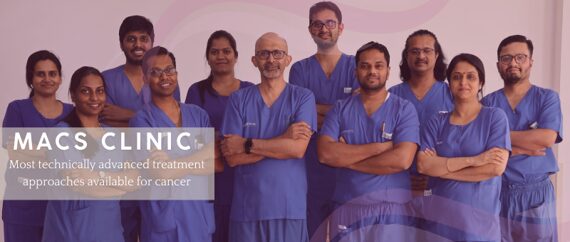
That’s the whole idea behind structured post-surgery care at MACS Clinic. Under the guidance of Dr. Sandeep Nayak, an ace surgical oncologist in India with 20+ years of experience in cancer treatment, every patient walks out with a personalized nutrition and activity plan tailored to their case, age, and lifestyle. Recovery isn’t left to guesswork. It’s mapped out in detail.
Introduction to Post-Surgery Nutrition and Activity
The human body requires proteins, vitamins, hydration, and minerals to rebuild tissue, fight infection, and restore energy. At the same time, movement facilitates lung clearance, prevents clots, improves digestion, and helps regain muscle mass that gets weakened during a hospital stay.
Both work together. One without the other doesn’t deliver the same results. That’s why Dr. Sandeep Nayak’s team treats nutrition and activity as a single, connected pillar of recovery, not two separate boxes to tick.
Looking for an integrated recovery plan that actually works?
Get in touch with an expert today and walk away with a clear roadmap.
What does food really do for someone recovering from colon cancer surgery? Far more than most people realize.
The Importance of Proper Nutrition After Colon Cancer Surgery
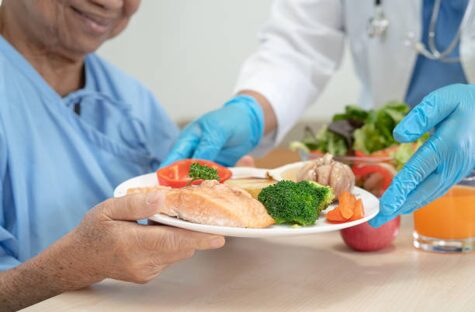
Good nutrition after colon cancer surgery does several heavy-lifting jobs at once:
Rebuilds Tissue:
Protein helps wounds close, muscles repair, and organs recover function
Strengthens Immunity:
Vitamins and minerals reduce the risk of post-op infections
Prevents Malnutrition:
A common but often missed complication after major abdominal surgery
Restores Energy:
Calories and complex carbs fight the deep fatigue that follows surgery
Supports Bowel Healing:
Soft, easy-to-digest foods give the gut time to recover
Improves Treatment Tolerance:
Patients with stronger nutrition handle chemotherapy better
Reduces Hospital Stay:
Well-nourished patients recover faster and go home sooner
Nutrition isn’t a side detail. It’s central to recovery.
What does an actual recovery plate look like? Here’s the breakdown patients are given.
Recommended Diet for Colon Cancer Surgery Recovery
The right diet shifts in stages. The first few days look very different from the second month. Here’s how the team builds it out:
Days 1 to 3:
Clear fluids, broths, light juices, slowly progressing to soft foods like khichdi, dal water, and curd
Days 4 to 7:
Soft, low-fiber meals such as oats, mashed potatoes, paneer, eggs, and well-cooked vegetables
Weeks 2 to 4:
Gradual reintroduction of fiber through fruits, whole grains, legumes, and steamed vegetables
Protein Sources:
Eggs, paneer, lentils, fish, tofu, and lean chicken to support tissue healing
Healthy Fats:
Olive oil, ghee in moderation, and nuts for sustained energy
Foods to Limit:
Spicy, oily, fried, or processed items, plus red meat and sugary drinks
Foods to Avoid Long-Term:
Processed meats, excessive alcohol, and ultra-refined snacks linked to recurrence risk
A registered dietician walks every patient through this in detail before discharge.
Why is something as simple as water so often overlooked? Nobody talks about how much it actually matters after surgery.
Hydration and Its Role in Recovery
Dehydration is one of the top reasons patients get readmitted after colon cancer surgery. The bowel, kidneys, and overall blood circulation all depend on a steady intake of fluids. Dry recovery is a slow recovery.
What proper hydration looks like:
2 to 3 Liters Daily:
Unless restricted by the medical team
Sip Often, Don't Gulp:
Easier on a healing gut
Variety Matters:
Water, coconut water, clear soups, herbal teas, diluted fruit juices

Watch the Signs:
Dark urine, dry mouth, dizziness, or low urine output mean fluids are dropping
Limit These:
Caffeine, fizzy drinks, alcohol, and sugary beverages, all of which dehydrate
Track It:
Many patients use a water tracker or simple bottle-counting method during early recovery
Good hydration is one of the easiest wins in recovery, and one of the most powerful.
When can someone start moving again after colon cancer surgery? Sooner than most think.
Physical Activity Guidelines After Colon Cancer Surgery
Movement starts within hours of surgery, not weeks. The body needs gentle, structured activity to heal properly. Here’s how it builds up:
Within 24 Hours:
Sitting up, deep breathing exercises, leg movement in bed
Days 1 to 3:
Short, supported walks around the hospital ward
Week 1:
Slow walks at home, climbing a few stairs, light household tasks

Weeks 2 to 4:
Longer walks, gentle stretching, basic flexibility work
Weeks 5 to 8:
Light cycling, swimming (once wounds heal), and yoga begin
3 Months Onward:
Return to gym, resistance training, and most regular sports
What to Avoid Early On:
Heavy lifting, intense core exercises, contact sports, long-haul travel
Every patient receives a personalized exercise schedule tailored to their surgery type, fitness level, and chemo plan.
Why does movement matter so much during cancer recovery? The list is longer than expected.
Benefits of Exercise in the Recovery Process
Regular, well-paced exercise during recovery delivers some real, measurable benefits:
Faster Wound Healing:
Better circulation means oxygen and nutrients reach tissue faster
Lower Risk of Blood Clots:
Walking is one of the simplest ways to prevent clots
Reduced Fatigue:
Counterintuitive but proven, gentle activity actually fights cancer-related tiredness
Improved Bowel Function:
Movement helps regulate digestion and reduces constipation
Stronger Immunity:
Active patients tend to handle infections better
Better Mental Health:
Exercise lowers anxiety, improves sleep, and boosts mood
Lower Recurrence Risk:
Studies show regular activity reduces colon cancer recurrence rates over time
According to research published by the American Cancer Society, regular physical activity during and after cancer treatment significantly improves survival outcomes, energy levels, and overall quality of life.
Movement isn’t optional in recovery; it’s essential.
Side effects don’t have to derail recovery. The right food and movement choices can soften the worst of them.
Managing Side Effects Through Nutrition and Activity
Common post-surgery and chemotherapy side effects, and how nutrition and activity help:
Fatigue:
Small, frequent protein-rich meals plus light walking restore energy faster than rest alone
Loose Stools:
Soluble fiber, bananas, curd, and rice help. Spicy and oily foods make it worse
Constipation:
Fluids, soft fiber, and gentle walking get things moving
Nausea:
Smaller meals, ginger water, and avoiding strong smells help. Eating before chemo cycles makes a difference
Loss of Appetite:
Calorie-dense smoothies, nutritional drinks, and varied flavors bring food back in
Muscle Weakness:
Resistance bands and slow strength training rebuild lost muscle over time
Mouth Sores (chemo-related):
Soft, cool foods like yogurt, custard, and smoothies are gentler
Recovery feels less overwhelming when patients know exactly what to do during tough days.
Need practical strategies to push through tough recovery days?
Connect with an expert today and get clear, real-world solutions.
Why Choose Our Expert Guidance for Post-Surgery Nutrition and Activity
Plenty of clinics hand out a generic diet sheet and call it done. That’s not how recovery actually works.
Here’s what patients walk into with Dr. Sandeep Nayak’s team for cancer treatment in Bangalore:
Personalized Plans:
Every diet and exercise schedule is built around the patient’s surgery, age, fitness, and lifestyle
Multidisciplinary Team:
Surgeons, oncologists, dieticians, and physiotherapists working together on every case
Evidence-Based Protocols:
Guidance follows the latest international research on cancer recovery and nutrition
Indian-Friendly Diets:
Plans include familiar, locally available foods, not generic Western menus
Continued Follow-Up:
Plans evolve as recovery progresses, not just a one-time handout
Family Education:
Caregivers are coached on what to cook, what to watch for, and how to support recovery
Long-Term Survivorship Focus:
Lifestyle support continues well beyond the surgical recovery period
Recovery moves faster when the entire team is invested in it.
FAQ
1. When can I start eating normally after colon cancer surgery?
Most patients move from clear fluids to soft foods within 1 to 3 days. A normal diet usually returns gradually over 2 to 4 weeks.
2. How much protein do I need during recovery?
Most patients need 1.2 to 1.5 grams per kilogram of body weight daily. The dietician adjusts this based on individual needs.
3. Should I take supplements after colon cancer surgery?
Some patients benefit from iron, B12, vitamin D, or protein supplements. Always check with the medical team before starting anything.
4. Are spicy foods completely off-limits?
Spicy and oily foods are limited during early recovery. They can be slowly reintroduced after the gut heals, in moderation.
5. Are there foods that prevent cancer recurrence?
A diet rich in vegetables, fruits, whole grains, legumes, and lean protein, and low in processed meats, can lower the risk of recurrence over time.
Disclaimer: The information shared in this content is for educational purposes and not for promotional use.