
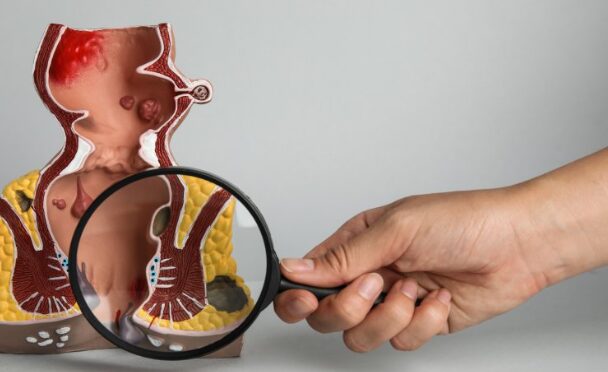
Sphincter-saving surgery is a rectal cancer procedure that removes the tumour while preserving the anal sphincter, letting patients keep natural bowel control instead of needing a permanent stoma. The technique covers low anterior resection, ultra-low anterior resection, intersphincteric resection (ISR) and trans-anal approaches, with the choice driven by tumour height from the anal verge. Robotic and laparoscopic platforms make precise dissection feasible even for tumours sitting just above the sphincter complex.
According to Dr. Sandeep Nayak, Oncologist in India,”Sphincter-saving surgery flipped the script on rectal cancer treatment. Two decades back, anything within 5cm of the anal verge meant a permanent bag. Now, with ISR and robotic precision, we save the sphincter even at 1 to 2cm above it, without compromising oncological clearance.”
Worried about sphincter function after rectal cancer surgery?
Which Procedures Fall Under Sphincter-Saving Surgery?
Several techniques preserve the anal sphincter while clearing the tumour, and the choice depends on tumour height, pelvic anatomy and patient build.
- Low Anterior Resection: LAR removes the upper and mid rectal tumour along with surrounding mesorectal tissue, then reconnects the colon to the lower rectum, and works best for tumours sitting 5 to 12cm from the anal verge.
- Ultra-Low Anterior Resection: ULAR pushes the dissection deeper into the pelvis to handle tumours 2 to 5cm above the sphincter, and the colon gets joined to the very lowest rectum or upper anal canal through a coloanal anastomosis.
- Intersphincteric Resection: ISR removes the internal anal sphincter along with the tumour for cancers sitting just above the sphincter complex, and continence stays workable through the preserved external sphincter and pelvic floor muscles.
- Trans-Anal Approaches: TAMIS and TaTME approach the tumour from below for very low rectal cancers, useful when abdominal access alone struggles to reach clean margins around the lower edge of the tumour.
Procedure choice rests on careful preoperative MRI staging, and our robotic-assisted colorectal surgery page covers what robotic precision adds to ultra-low resections specifically.
How Does Sphincter-Saving Surgery Compare With Permanent Stoma Surgery?
Both approaches cure rectal cancer when applied to the right patient. The differences show up in quality of life, recovery timeline and long-term bowel function.
- Continence Preservation: Sphincter-saving surgery preserves natural bowel control in most patients, while abdominoperineal resection with permanent end colostomy means lifelong stoma care, appliance management and the body image adjustment that comes with it.
- Anastomotic Risk: Reconnecting the colon to the low rectum or anus carries a 5 to 12 percent leak risk, which is why most ultra-low resections use a temporary diverting ileostomy that gets reversed three to six months later once healing confirms.
- Bowel Function Recovery: Low anterior resection syndrome affects 40 to 60 percent of patients in the first year, with frequent stools and urgency, but most see significant improvement by 12 to 18 months as the neorectum adapts to its new role.
- Oncological Outcomes: Long-term survival and local recurrence rates run comparable between sphincter-saving and abdominoperineal approaches when margins are equivalent, and the laparoscopic colorectal surgery page explains how minimally invasive access supports tight margin clearance regardless of platform.
Pre-treatment MRI accuracy and pelvic floor assessment shape the call together, and the staging of colon cancer breakdown explains how imaging findings drive whether sphincter preservation stays on the table.
Why Choose Dr. Sandeep Nayak for Sphincter-Saving Rectal Cancer Surgery
Dr. Sandeep Nayak brings 24 years of surgical oncology experience, DNB qualifications in Surgical Oncology and General Surgery, plus a fellowship in Laparoscopic and Robotic Onco-Surgery to sphincter-preserving rectal cancer surgery at KIMS Hospital and MACS Clinic, Bangalore. He’s the originator of the RABIT, MIND and L-VEIL minimally invasive techniques, has performed thousands of sphincter-saving procedures including complex ISR and robotic ultra-low anterior resections, and published over 25 peer-reviewed clinical studies. Patients told elsewhere they need a permanent stoma often qualify for sphincter preservation here once tumour height, treatment response and pelvic anatomy are reassessed through tumour board review. Call +91 9482202240 to book your consultation.
FAQ
What is the difference between LAR and ISR?
LAR reconnects the colon to the lower rectum, while ISR removes the internal sphincter and joins the colon directly to the anal canal.
Can sphincter-saving surgery treat all rectal cancers?
Sphincter-saving surgery suits 70 to 85 percent of rectal cancers, but tumours invading the sphincter directly still need abdominoperineal resection.
How long does recovery take after sphincter-preserving surgery?
Hospital stay averages five to seven days, and bowel function adaptation continues over 12 to 18 months after surgery completion.
Does sphincter-saving surgery affect continence permanently?
Most patients regain workable continence within a year, though 40 to 60 percent experience low anterior resection syndrome initially before adapting.
Reference Link
Disclaimer: Reference links are provided solely for academic and clinical context and do not imply endorsement or accountability for third-party medical content.