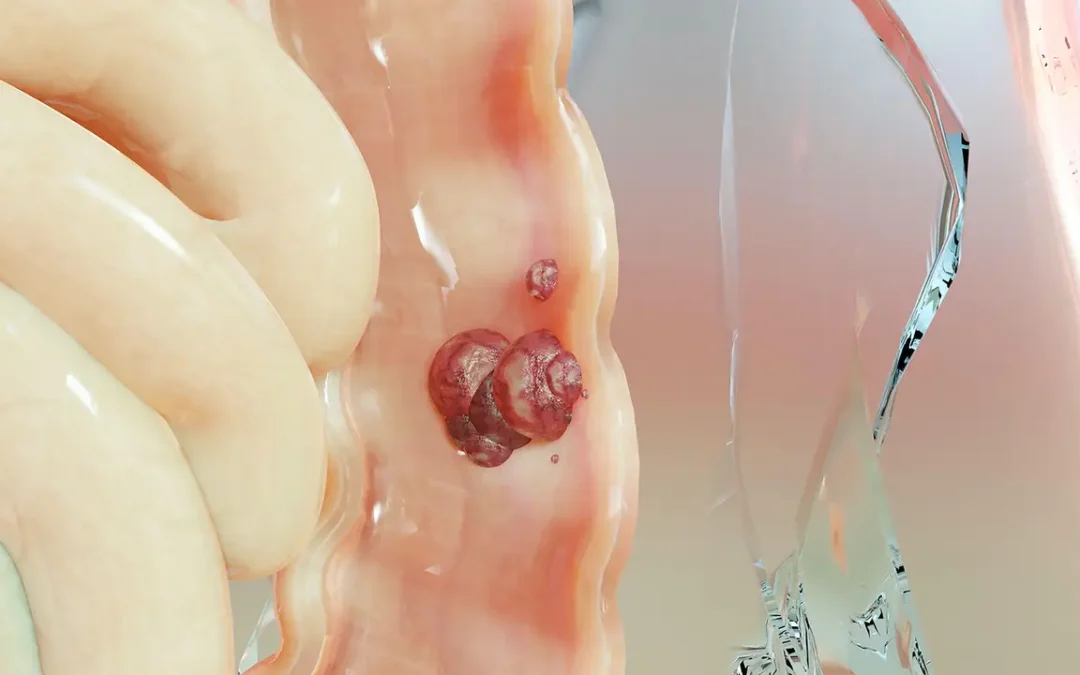
Blood in stool isn’t always colorectal cancer, but it’s never something to dismiss without clinical evaluation. Most cases stem from benign anorectal conditions like haemorrhoids, anal fissures, or diverticular disease. Bright red blood typically points to...
Rectal cancer surgery recovery spans 3–7 days in hospital, followed by 4–8 weeks at home depending on the approach. Minimally invasive procedures allow faster discharge than open surgery. Bowel function takes time to normalise irregular stools, gas, and discomfort are...
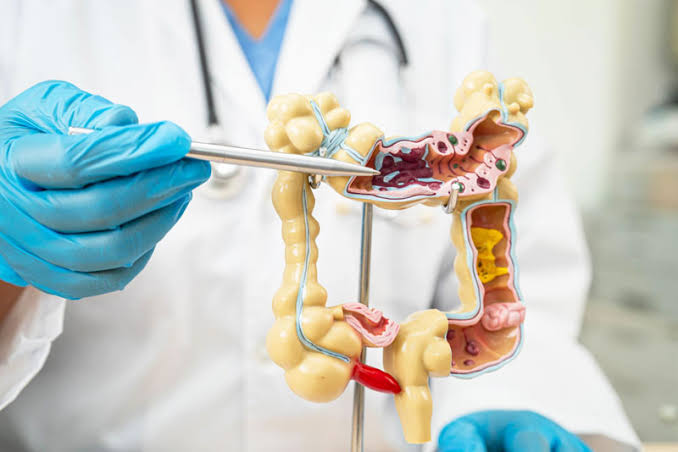
Lynch syndrome is an inherited disorder caused by mutations in DNA mismatch repair genes, and it significantly raises the lifetime risk of colorectal and several other cancers. It’s passed down in an autosomal dominant pattern, so one diagnosis in the family...
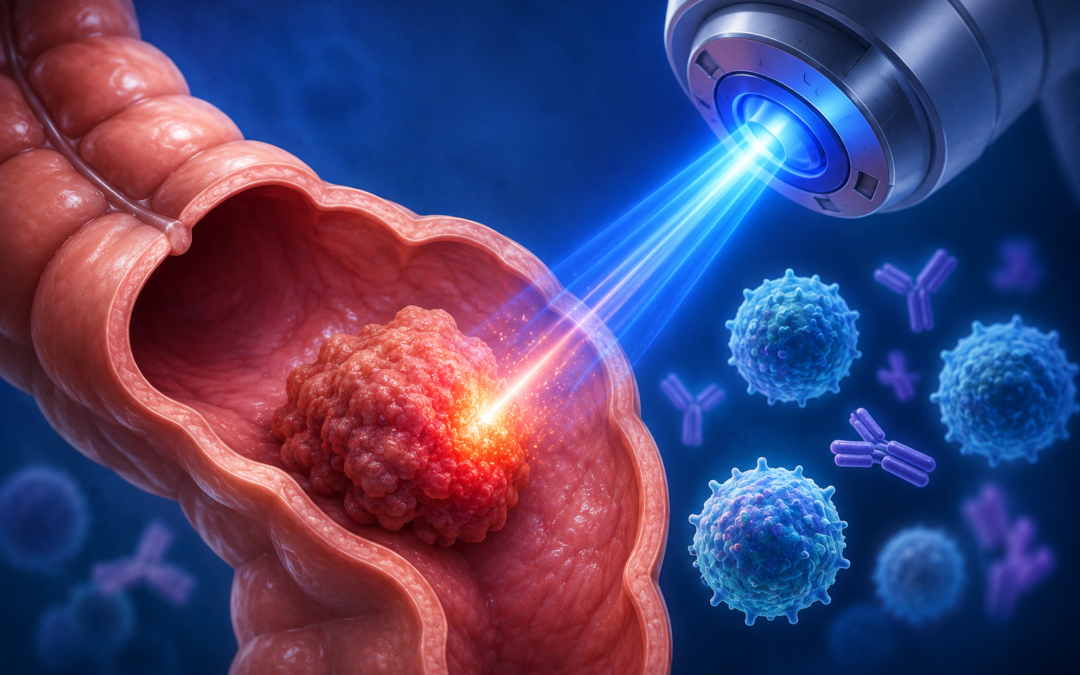
In select rectal cancer patients, surgery can be avoided entirely. When chemoradiation achieves a complete clinical response no detectable tumour on imaging or endoscopy patients may enter a watch-and-wait protocol instead of proceeding to surgery. This is an...
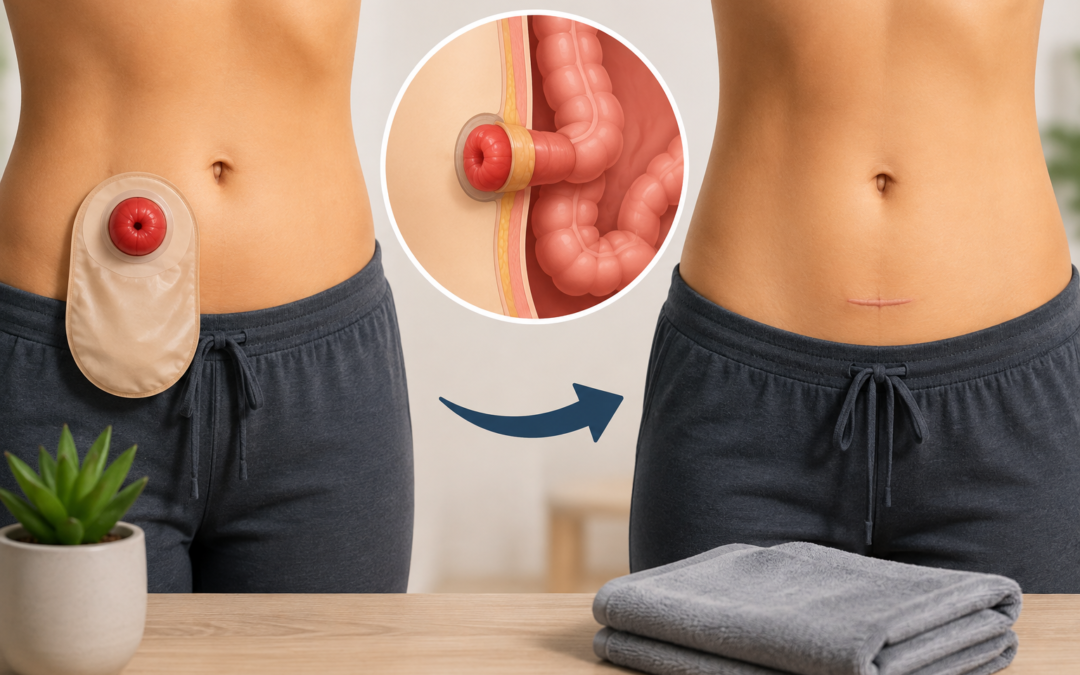
A stoma is a surgically created opening on the abdominal wall that allows waste to exit into an external pouch instead of through the rectum. It is most commonly needed after colorectal cancer surgery, inflammatory bowel disease, or trauma, and can be temporary or...