
Blogs
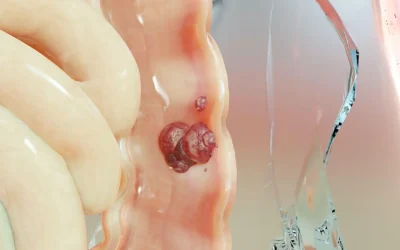
Blood in Stool: Is It Always Colorectal Cancer?
Blood in stool isn't always colorectal cancer, but it's never something to dismiss without clinical evaluation. Most cases stem from benign...

What Is Rectal Cancer Surgery Recovery Like?
Rectal cancer surgery recovery spans 3–7 days in hospital, followed by 4–8 weeks at home depending on the approach. Minimally invasive procedures...

What Does a Lynch Syndrome Diagnosis Mean for Your Family?
Lynch syndrome is an inherited disorder caused by mutations in DNA mismatch repair genes, and it significantly raises the lifetime risk of...
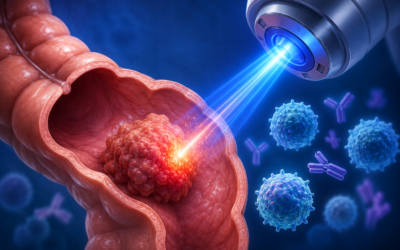
Rectal Cancer Treatment Without Surgery: Is It Possible?
In select rectal cancer patients, surgery can be avoided entirely. When chemoradiation achieves a complete clinical response no detectable tumour on...
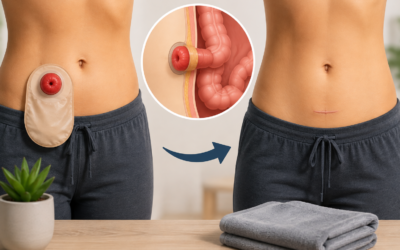
What Is a Stoma and Can It Be Reversed?
A stoma is a surgically created opening on the abdominal wall that allows waste to exit into an external pouch instead of through the rectum. It is...
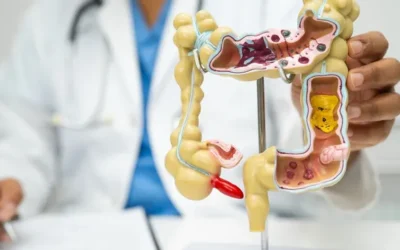
What Is a Colonoscopy and When Do You Need One?
A colonoscopy is a diagnostic and therapeutic procedure in which a flexible, lighted scope is passed through the rectum to examine the full length...
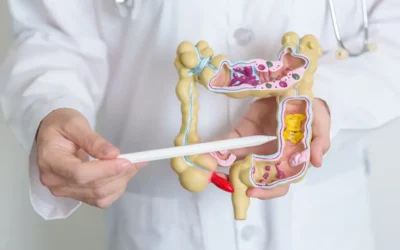
Can International Patients Get Colorectal Surgery at MACS?
Every year, a steady stream of patients from outside India land in Bangalore specifically to be treated at MACS Clinic, and colorectal cancer is one...
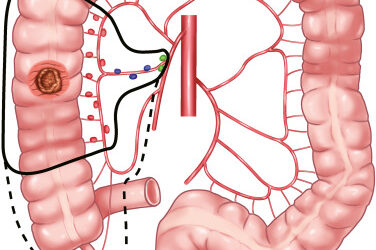
D3 vs D2 Lymph Node Dissection: What Is the Difference?
When colon cancer surgery is being planned, one of the most important decisions a surgeon makes has nothing to do with the tumour itself it has to...
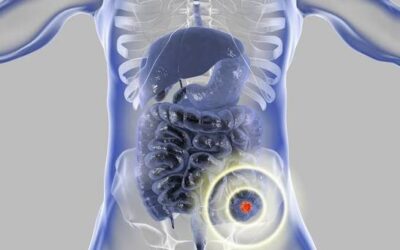
Wait and Watch for Rectal Cancer: An Overview
For a select group of rectal cancer patients, chemoradiation works well enough that the tumour becomes undetectable on scans and clinical...
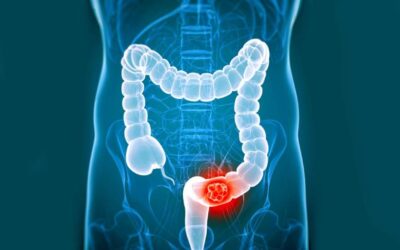
How Is Colorectal Cancer Diagnosed Early?
Colorectal cancer is diagnosed early through colonoscopy, stool tests, CT imaging, and blood marker assessment. Colonoscopy is the most reliable...

When Should You Start Colon Cancer Screening?
Most adults should start colon cancer screening at age 45. That applies when there is no family history, no prior polyps, and no known bowel...

Colon vs Rectal Cancer Differences
Colon cancer and rectal cancer are not the same disease. Both fall under the colorectal label but they develop in different parts of the large...
Beyond Chemotherapy: How Biomarkers Are Changing Colon Cancer Treatment
If you or someone you know has been diagnosed with colon cancer, you have probably heard terms like chemotherapy, targeted therapy, and...
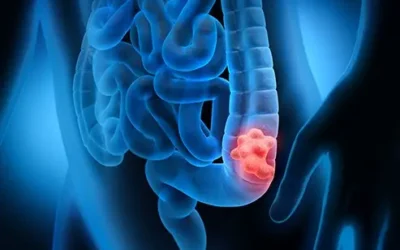
Early Symptoms of Colorectal Cancer
Early symptoms of colorectal cancer include persistent changes in bowel habits, blood in stool, abdominal cramping that doesn't ease, unexplained...
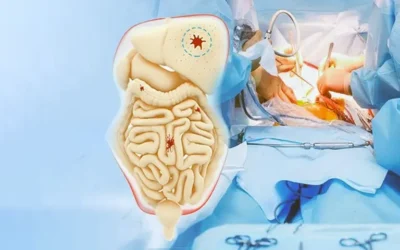
What Is HIPEC Surgery and Who Needs It?
HIPEC (Hyperthermic Intraperitoneal Chemotherapy) is a specialized, two-step cancer treatment. First, surgeons perform cytoreductive surgery to...

What Is Sphincter Saving Surgery?
Sphincter-saving surgery is a rectal cancer procedure that removes the tumour while preserving the anal sphincter, letting patients keep natural...
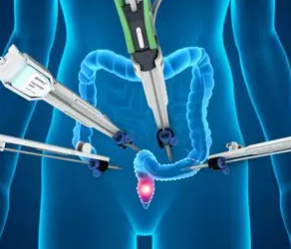
Robotic Surgery for Colon Cancer
Robotic surgery delivers measurable advantages over open and laparoscopic approaches for most colon cancer cases today. Higher lymph node yield,...

Rectal Cancer Cured Without Stoma
Rectal cancer is curable without a permanent stoma in the majority of patients today. Sphincter-saving surgery, intersphincteric resection (ISR),...

Signs of Colon Cancer
Early colon cancer signs include bowel habit changes that last beyond four weeks, blood in stool, unexplained weight loss, abdominal cramps that...

Is Colonoscopy Painful? What Patients Should Know
Most people who book a colonoscopy worry about one thing more than the result itself. The pain. They’ve heard stories from relatives, read forum...