
Robotic-Assisted Rectal Surgery in Bangalore
Rectal surgery requires high precision due to the complex pelvic anatomy and nearby structures involved in bowel function. Robotic-assisted techniques improve visualization and surgical control during complex rectal procedures. Robotic-Assisted Rectal Surgery is an advanced minimally invasive approach used for selected rectal procedures, including rectal cancer surgery, allowing precise movements, better access to difficult areas, and preservation of surrounding tissues.
Dr. Sandeep Nayak, the world-renowned robotic cancer surgeon in India, states, “Robotic surgery has expanded the possibilities in complex rectal procedures by improving precision and visualization. However, achieving the best outcomes depends on careful patient selection, surgical expertise, and detailed treatment planning.”
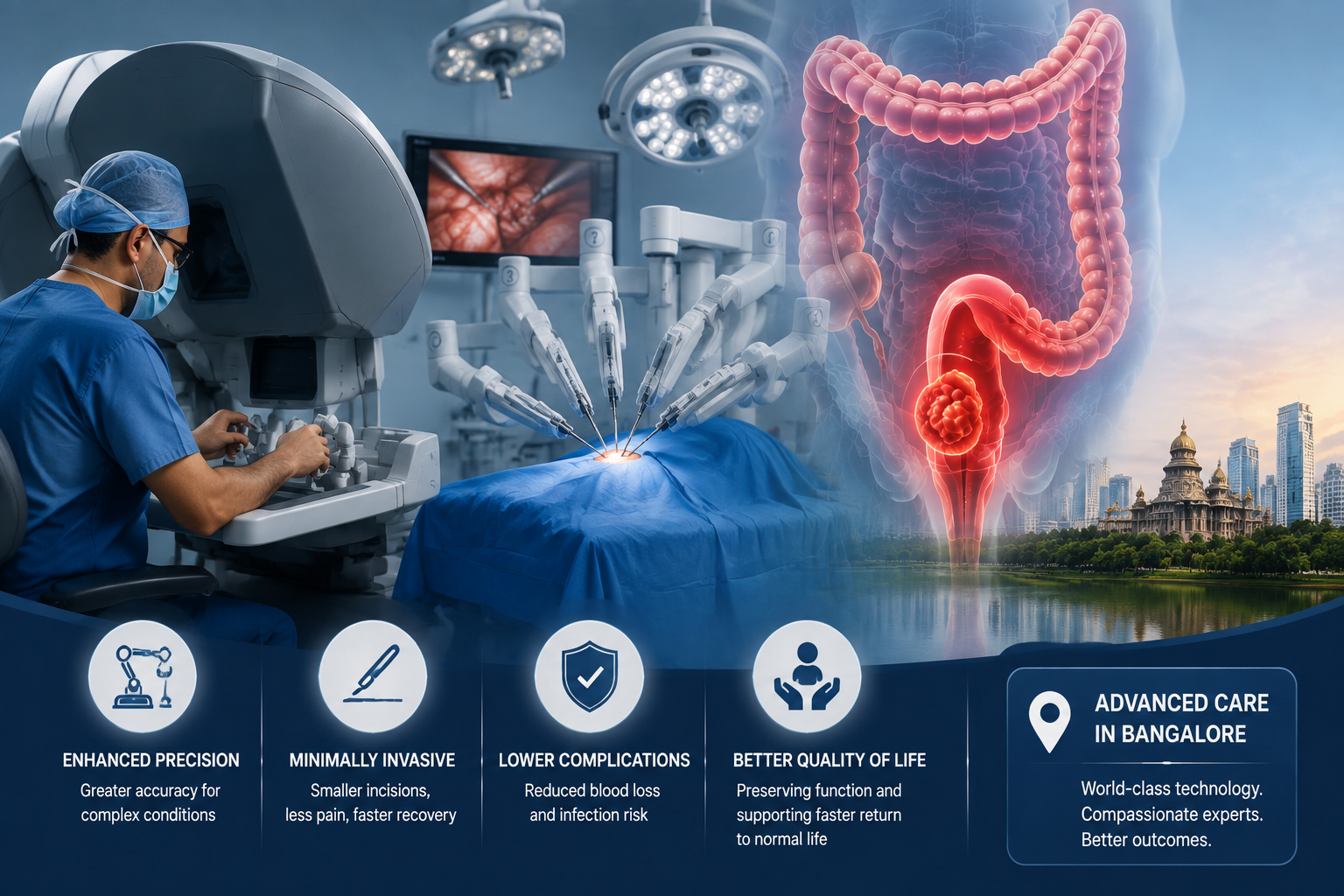
Dr. Sandeep Nayak has pioneered advanced approaches in colorectal cancer surgery, with expertise in robotic-assisted procedures, minimally invasive techniques, and complex rectal operations. His robotic-assisted rectal surgery practice in Bangalore involves advanced surgical technology, careful evaluation, and customized treatment strategies to achieve precise outcomes while preserving function and enhancing patient recovery.
This page explains robotic-assisted rectal surgery, including its procedure, benefits, suitability, role in rectal cancer treatment, recovery, risks, and factors influencing treatment decisions.
What Is Robotic-Assisted Rectal Surgery?
Robotic-assisted rectal surgery is a minimally invasive surgical technique where advanced robotic instruments assist the surgeon during complex rectal procedures.
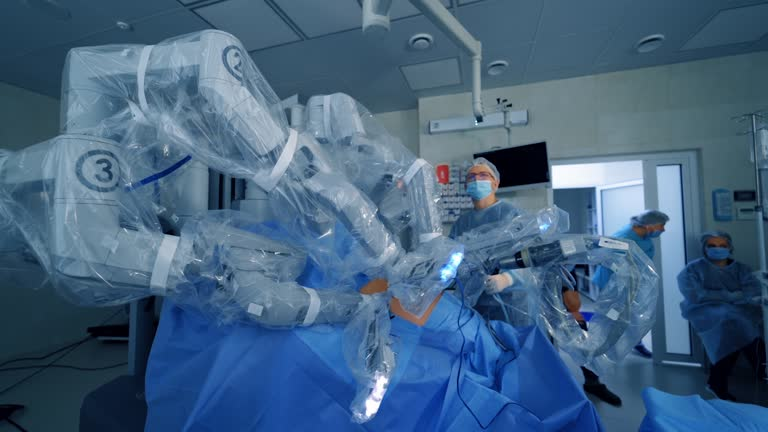
The robotic system does not perform surgery independently. Instead, the surgeon controls the robotic arms from a console, allowing precise movements and enhanced control.
Key features include:
Enhanced Visualisation
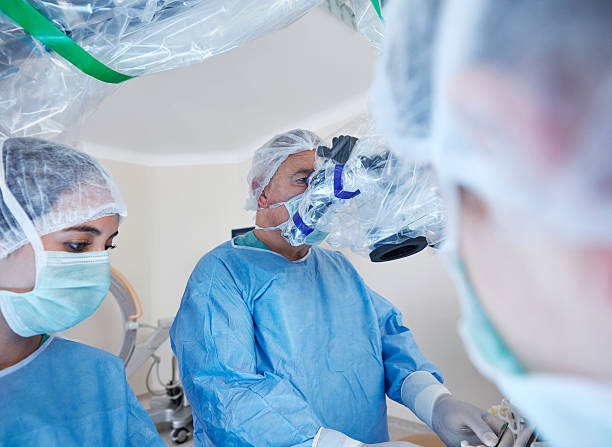
A high-definition 3D camera provides a magnified view of the surgical area.
Greater Instrument Flexibility
Robotic instruments offer a wider range of movement compared with conventional laparoscopic tools.
Improved Precision
The technology helps surgeons perform delicate procedures in the confined pelvic region.
Better Access to Difficult Areas
Robotic assistance can be particularly useful during technically challenging rectal surgeries.
The goal is to achieve effective tumor removal while preserving surrounding structures.
Is robotic surgery suitable for every rectal cancer patient? Let’s explore the factors that determine eligibility.
Who Is a Suitable Candidate for Robotic Rectal Surgery?
Robotic-assisted rectal surgery may be considered for selected patients based on:
Rectal bleeding
Bright red or dark blood in the stool is one of the most common signs.
Surgical Requirements
Complex procedures such as rectal resections may be performed using robotic techniques in suitable cases.
Previous Treatment History
Prior surgeries, radiation therapy, or other treatments may influence surgical planning.
Cancer Stage
The stage and extent of disease influence whether robotic surgery is appropriate.
Overall Health
A patient’s general health and ability to undergo surgery are important considerations.
Understand whether robotic-assisted rectal surgery is suitable for your condition.
Speak with a specialist for personalized treatment guidance.
What happens during robotic rectal surgery? Let’s explore the steps involved in this advanced surgical approach.
How Is Robotic-Assisted Rectal Surgery Performed?
Robotic-assisted rectal surgery is performed under general anesthesia and involves several stages:
Placement of Robotic Instruments
Small abdominal incisions are created to insert the camera and robotic instruments.
Surgeon-Controlled Robotic System
The surgeon operates the robotic arms through a console, controlling precise movements.
Tumor Removal
The affected rectal portion is removed while following cancer surgery principles.

Reconstruction
Depending on the procedure, bowel continuity may be restored through reconstruction.
Temporary Diversion
Some patients may require a temporary stoma to support healing.
What advantages does robotic technology offer in rectal cancer surgery? Let’s explore the potential benefits of this approach.
Benefits of Robotic-Assisted Surgery for Rectal Cancer
Improved Surgical Precision
Robotic instruments allow controlled movements during complex procedures.
Better Pelvic Visualization
Minimally Invasive Approach
Faster Recovery
Functional Preservation
Reduced Blood Loss
Robotic-Assisted Rectal Surgery for Low Rectal Cancer
Robotic-assisted surgery may support:
Precise tumor dissection
Better access within the narrow pelvic space
Sphincter-preserving procedures in selected patients
Improved visualization during complex surgery
The decision depends on tumor characteristics, response to treatment, and surgical assessment.
How do these surgical approaches differ? Let’s compare robotic, laparoscopic, and open rectal surgery.
Robotic Surgery vs Laparoscopic Surgery vs Open Surgery for Rectal Cancer
Feature | Robotic Surgery | Laparoscopic Surgery | Open Surgery |
Surgical Access | Small incisions using robotic instruments | Small incisions using laparoscopic instruments | Larger surgical incision |
Visualisation | Enhanced 3D magnified view | 2D camera-assisted view | Direct visual access |
Instrument Movement | Greater flexibility and precision | Limited instrument movement | Direct manual control |
Recovery | Often faster in selected patients | Faster recovery compared with open surgery | Longer recovery period |
Suitable Cases | Complex rectal procedures requiring precision | Many minimally invasive rectal surgeries | Cases requiring open access |
What can patients expect after robotic rectal surgery? Let’s explore the recovery process.
Recovery After Robotic-Assisted Rectal Surgery
Recovery varies depending on the complexity of surgery and individual healing.
Patients may experience:
Shorter hospital stay in suitable cases
Gradual return to normal activities
Temporary bowel habit changes
Need for follow-up monitoring
Recovery support may include:
Dietary guidance
Physical activity recommendations
Regular clinical reviews
Monitoring of bowel function
Long-term follow-up is important to evaluate recovery and cancer outcomes.
What are the possible risks associated with robotic rectal surgery? Let’s understand the potential complications.
Risks and Complications of Robotic Rectal Surgery
Like any major surgery, robotic rectal procedures involve possible risks, including:
- Bleeding
- Infection
- Anastomotic leakage
- Temporary bowel changes
- Urinary or sexual function changes
- Need for temporary or permanent stoma in selected cases
Careful planning and surgical expertise help reduce risks and improve outcomes.
Cost of Robotic-Assisted Rectal Surgery in Bangalore
The cost of robotic-assisted rectal surgery varies depending on:
Type and complexity of surgery
Surgeon’s experience
Hospital facilities
Robotic technology usage
Duration of hospital stay
Robotic technology usage
A detailed consultation helps determine the appropriate treatment plan and associated costs based on individual needs.
Why Choose Dr. Sandeep Nayak for Robotic-Assisted Rectal Surgery in Bangalore?
Expertise in Advanced Rectal Cancer Surgery
Dr. Sandeep Nayak has extensive experience in treating complex rectal cancers that require advanced surgical planning and precision.
Specialized Experience in Robotic-Assisted Procedures
His expertise includes robotic-assisted rectal surgeries where enhanced visualization and instrument control support complex procedures.
Focus on Difficult Pelvic Surgeries
Dr. Nayak’s experience with complex pelvic anatomy helps manage challenging rectal tumors in technically demanding areas.

Combination of Technology and Surgical Expertise
Advanced robotic systems are integrated with surgical experience to improve precision during selected rectal procedures.
Comprehensive Colorectal Cancer Care
Dr. Nayak provides coordinated care involving diagnosis, surgery, additional therapies, and follow-up for complete cancer management.
Explore advanced robotic approaches for rectal cancer surgery with expert guidance.
Connect with an expert to understand the right treatment option for your condition.
FAQ
1. What is robotic-assisted rectal surgery?
It is a minimally invasive surgical technique where robotic instruments assist the surgeon during complex rectal procedures.
2. Is robotic surgery better than open rectal surgery?
Robotic surgery may offer advantages in selected cases, but the ideal approach depends on individual patient factors.
3. Who is suitable for robotic rectal surgery?
Patients requiring rectal surgery who meet specific clinical criteria may be considered suitable candidates.
4. Does robotic surgery reduce recovery time?
Many patients experience faster recovery after minimally invasive surgery compared with open procedures.
5. Can robotic surgery help avoid a permanent stoma?
In selected patients, robotic-assisted techniques may support sphincter-preserving procedures.
6. What is the difference between robotic and laparoscopic rectal surgery?
Both are minimally invasive approaches, but robotic surgery provides enhanced instrument flexibility and visualization.
7. Can robotic surgery treat low rectal cancer?
Yes, robotic techniques may be used for selected low rectal cancers requiring precise pelvic surgery.
Disclaimer: The information shared in this content is for educational purposes and not for promotional use.