
Laparoscopic Rectal Surgery in Bangalore
Rectal surgery has advanced significantly with minimally invasive techniques designed to provide effective treatment while reducing surgical trauma. Laparoscopic rectal surgery uses small incisions, specialized instruments, and a high-definition camera to perform complex rectal procedures with greater precision. Compared with open surgery, it may offer benefits such as reduced discomfort, faster recovery, and improved cosmetic outcomes in selected patients with rectal cancer and other rectal conditions.
“Modern rectal surgery focuses on achieving effective cancer control while preserving function and quality of life. Minimally invasive techniques allow us to perform complex procedures with greater precision when patients are appropriately selected,” states Dr. Sandeep Nayak, an ace surgical oncologist in India.
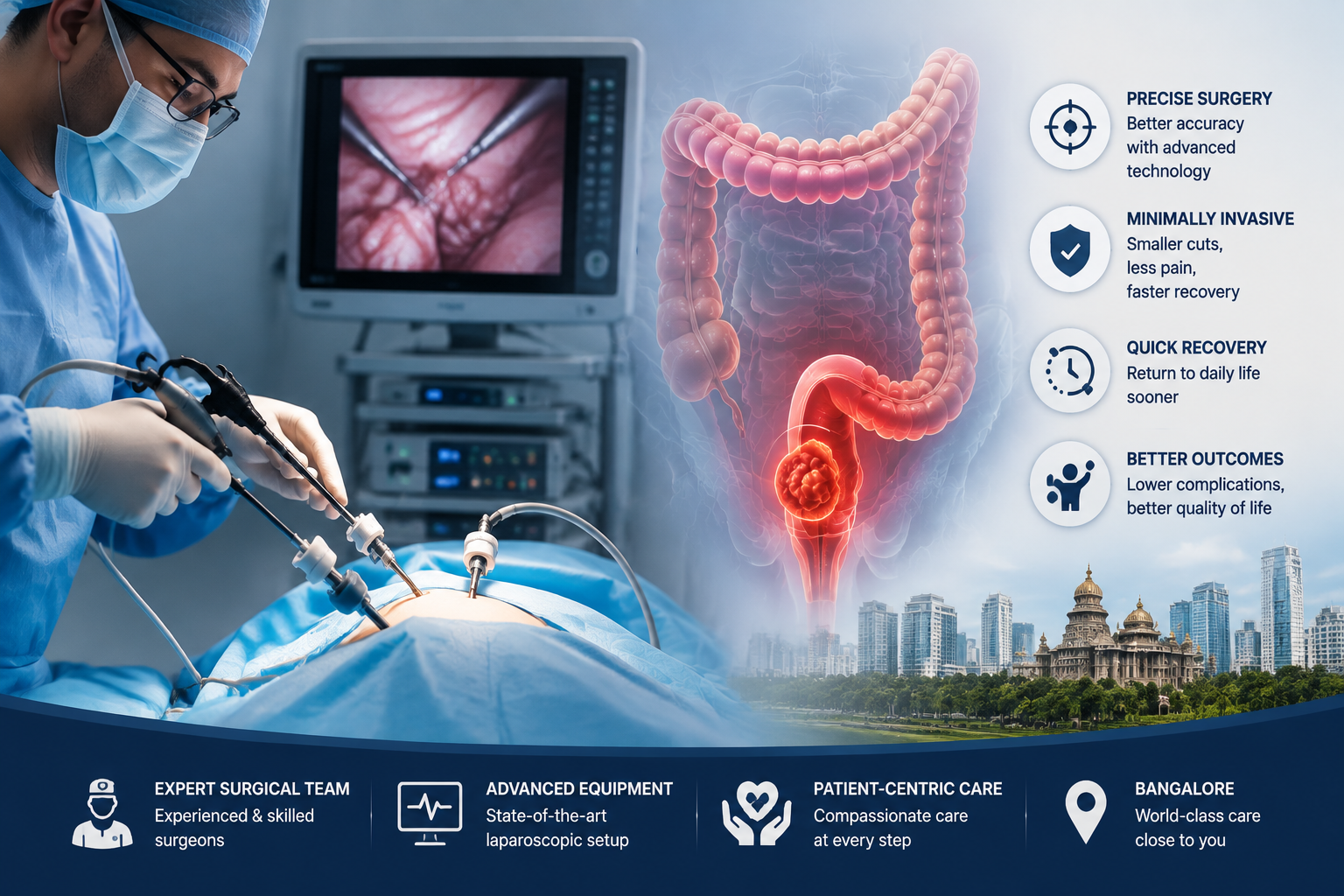
Dr. Sandeep Nayak is a pioneer in advanced colorectal surgery, with extensive expertise in managing complex rectal conditions through minimally invasive techniques. His work in laparoscopic rectal surgery in Bangalore combines innovative surgical approaches, precise planning, and personalized care to achieve effective treatment outcomes while supporting better recovery and quality of life.
How does minimally invasive rectal surgery work? Let’s explore the technique and its role in modern colorectal care.
What Is Laparoscopic Rectal Surgery?
Laparoscopic rectal surgery is a minimally invasive procedure where surgeons operate on the rectum through small abdominal incisions instead of a large open incision.
During the procedure:
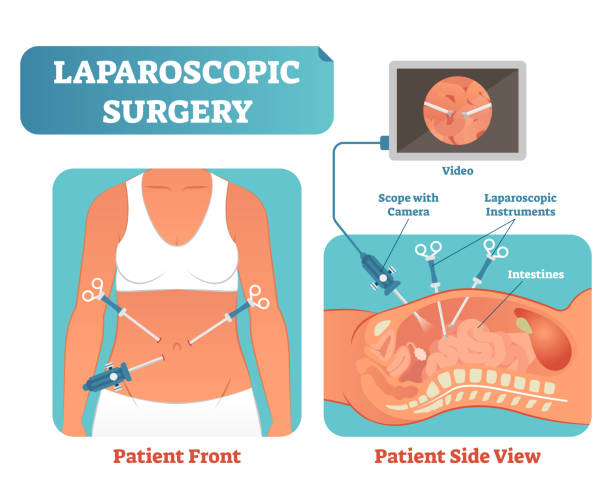
A small camera called a laparoscope is inserted through a tiny incision.
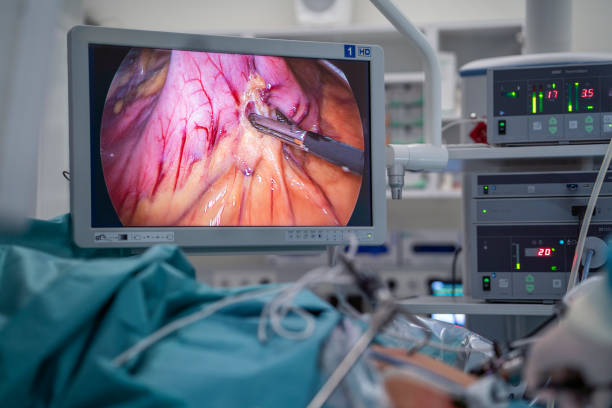
The surgical area is viewed on a high-definition monitor.
Specialized instruments are used to remove or treat the affected rectal tissue.
The surgeon performs precise movements while minimizing damage to surrounding tissues.
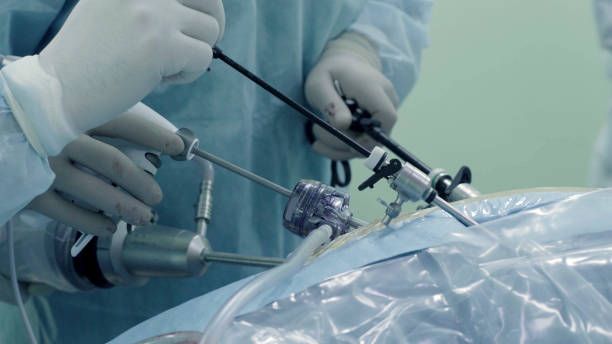
This technique is commonly used for selected patients requiring rectal cancer surgery or other rectal procedures.
The goal is to achieve effective disease control while reducing the impact of surgery on the patient’s recovery and daily life.
Is laparoscopic rectal surgery suitable for every patient? Let’s explore who may benefit from this advanced approach.
Who Needs Laparoscopic Rectal Surgery?
Laparoscopic rectal surgery may be recommended for patients requiring surgical treatment for conditions such as:
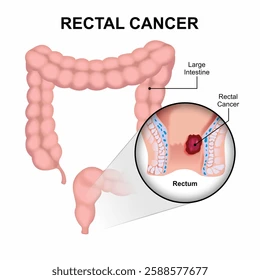
Rectal Cancer
Many patients with early or locally advanced rectal cancer may be candidates for minimally invasive surgery depending on tumor location and stage.
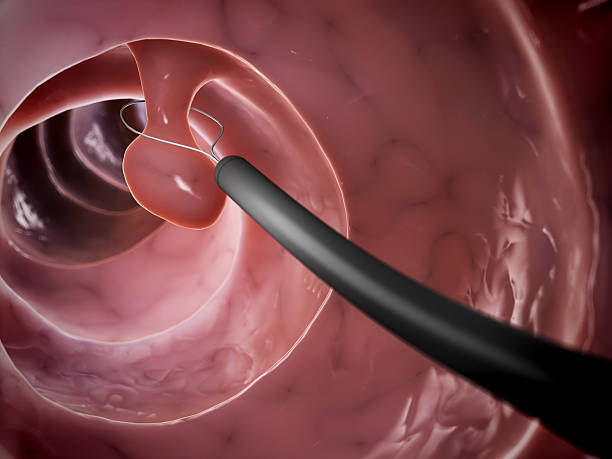
Rectal Polyps
Large or complex polyps that cannot be removed through endoscopic procedures may require surgical management.
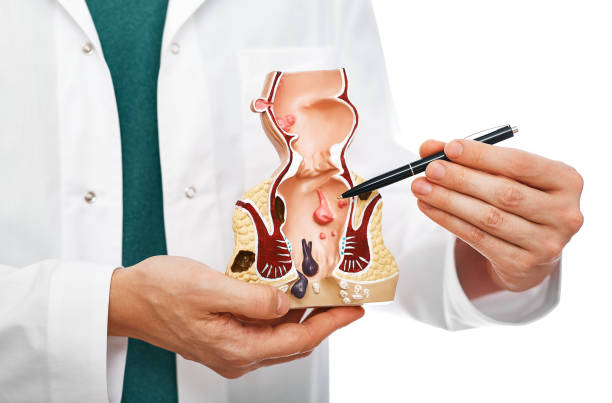
Benign Rectal Conditions
Certain non-cancerous conditions affecting the rectum may also require surgery.

Recurrent Rectal Disease
Some patients with recurrent conditions may require specialized surgical approaches.
Suitability depends on factors including tumor characteristics, previous surgeries, overall health, and surgeon expertise.
Explore advanced surgical options for rectal conditions and cancer treatment.
Connect with a specialist to understand the right approach for your care.
What happens during a laparoscopic rectal procedure? Let’s explore the steps involved in this minimally invasive approach.
How Is Laparoscopic Rectal Surgery Performed?
The procedure is usually performed under general anesthesia.
Surgical Access
Small incisions are created in the abdomen to introduce the laparoscope and surgical instruments.
Detailed Visualization
The camera provides a magnified view of the pelvic structures, allowing careful identification of important tissues.
Removal of Diseased Tissue
The surgeon removes the affected portion of the rectum while following cancer surgery principles when required.
Reconstruction
Depending on the procedure, the remaining bowel may be reconnected to restore normal passage.
Advanced techniques such as total mesorectal excision (TME) may be performed during rectal cancer surgery to improve cancer control.
How does laparoscopy support rectal cancer care? Let’s explore its role in modern rectal cancer treatment.
Laparoscopic Surgery for Rectal Cancer Treatment
Surgery remains an important part of rectal cancer treatment for many patients. Laparoscopic approaches allow surgeons to perform complex rectal operations through smaller incisions.
Potential advantages include:
- Better visualization of the pelvic anatomy
- Precise tumor removal
- Reduced surgical trauma
- Faster postoperative recovery
- Earlier return to normal activities
The suitability of laparoscopic surgery depends on tumor stage, location, patient health, and surgical expertise.
What advantages does laparoscopic rectal surgery offer? Let’s explore why this technique is preferred for selected patients.
Benefits of Laparoscopic Rectal Surgery
Smaller Incisions
Laparoscopic surgery uses small incisions, which may result in less visible scarring.
Reduced Postoperative Pain
Smaller surgical wounds may reduce discomfort after surgery.
Faster Recovery
Many patients experience quicker recovery compared with traditional open surgery.
Shorter Hospital Stay
Minimally invasive approaches may allow earlier discharge in suitable cases.
Improved Precision
High-definition visualization helps surgeons perform delicate procedures within the confined pelvic region.
Better Cosmetic Outcomes
Smaller scars can improve patient satisfaction after surgery.
Which rectal procedures can be performed laparoscopically? Let’s explore the commonly performed techniques.
Types of Laparoscopic Rectal Procedures
Laparoscopic Low Anterior Resection (LAR)
This procedure removes the affected rectal segment while preserving the anal sphincter whenever possible.
Laparoscopic Total Mesorectal Excision (TME)
TME removes the rectum along with surrounding tissues that may contain cancer cells.
Laparoscopic Abdominoperineal Resection (APR)
This procedure may be required for tumors located very close to the anal sphincter.
Laparoscopic Rectopexy
This may be performed for rectal prolapse.
The choice of procedure depends on the underlying condition and individual patient factors.
What can patients expect after surgery? Let’s explore the recovery process following laparoscopic rectal procedures.
Recovery After Laparoscopic Rectal Surgery
Recovery varies depending on the complexity of surgery and overall health.
Patients may experience:
- Gradual return to normal activities
- Temporary changes in bowel habits
- Follow-up appointments to monitor recovery
- Dietary adjustments during healing
Most patients benefit from:
- Early mobilisation
- Nutritional support
- Regular follow-up care
- Monitoring for treatment outcomes
For international patients, MACS Clinic provides coordinated care, including follow-up consultations through online support when required.
Is laparoscopic rectal surgery completely risk-free? Let’s understand the possible complications.
Risks and Possible Complications of Laparoscopic Rectal Surgery
Like any major surgery, laparoscopic rectal surgery carries potential risks, including:
- Bleeding
- Infection
- Injury to nearby structures
- Anastomotic leakage after bowel reconnection
- Changes in bowel function
- Need for temporary or permanent stoma in selected cases
Choosing an experienced oncologist with expertise in colorectal surgery helps reduce risks and improve outcomes.
How do laparoscopic and open approaches compare? Let’s explore the key differences.
Laparoscopic vs Open Rectal Surgery: What Is the Difference?
Both approaches aim to treat rectal conditions effectively, but differ in technique, incision size, recovery, and surgical approach. The table below highlights the major differences between laparoscopic and open rectal surgery.
| Laparoscopic Rectal Surgery | Open Rectal Surgery |
| Small abdominal incisions | Larger surgical incision |
| Camera-assisted visualization | Direct surgical exposure |
| Reduced tissue trauma | Greater tissue disruption |
| Faster recovery in suitable cases | Longer recovery period |
Both approaches can provide effective cancer treatment. The choice depends on the patient’s condition, tumor characteristics, and surgeon expertise.
Understand whether laparoscopic rectal surgery is suitable for your condition.
Visit an experienced surgeon for personalized guidance.
Why Choose Dr. Sandeep Nayak for Laparoscopic Rectal Surgery in Bangalore?
Pioneer in Advanced Colorectal Surgery
Dr. Sandeep Nayak has pioneered advanced surgical approaches for complex colorectal conditions, including minimally invasive techniques.
Expertise in Laparoscopic Rectal Procedures
He has extensive experience in performing laparoscopic rectal surgeries with a focus on precision and effective disease management.
Advanced Minimally Invasive Techniques
Dr. Nayak uses modern surgical approaches that aim to reduce surgical trauma and support faster recovery in suitable patients.

Personalized Treatment Planning
Each patient is evaluated individually to determine the most appropriate surgical approach based on diagnosis, tumor characteristics, and overall health.
Focus on Function Preservation
His surgical approach aims to achieve effective treatment while preserving bowel function and improving quality of life.
FAQ
What are the benefits of laparoscopic rectal surgery?
Benefits may include smaller scars, reduced pain, faster recovery, and shorter hospital stay.
Is laparoscopic rectal surgery better than open surgery?
For suitable patients, laparoscopic surgery may offer recovery advantages, but the best approach depends on individual factors.
Who is a candidate for laparoscopic rectal surgery?
Candidates are selected based on disease type, tumor stage, anatomy, and overall health.
Can laparoscopic surgery avoid a permanent stoma?
In selected patients, sphincter-preserving surgery may help avoid a permanent stoma.
What is the cost of laparoscopic rectal surgery in Bangalore?
The cost depends on the procedure, hospital, treatment requirements, and individual patient factors.
Disclaimer: The information shared in this content is for educational purposes and not for promotional use.