
Why Do We Avoid Permanent Stoma in Rectal Cancer Surgery?
Rectal cancer surgery aims to achieve complete cancer removal while preserving normal body functions whenever possible. One important consideration during treatment planning is whether a patient can avoid a permanent stoma and maintain natural bowel function.
A permanent stoma involves creating an opening on the abdomen to divert stool into an external bag. While it can be a life-saving and effective option in certain situations, surgeons often explore sphincter-preserving alternatives when it is safe and oncologically appropriate.
“Rectal cancer treatment involves more than removing the tumor; it also focuses on helping patients maintain their quality of life after surgery. The ideal surgical approach depends on tumor characteristics, patient factors, and achieving safe cancer clearance,” explains Dr. Sandeep Nayak, an esteemed surgical oncologist in India.
With over 20 years of experience, Dr. Sandeep Nayak has contributed to the advancement of colorectal cancer surgery through his expertise in complex rectal procedures and function-preserving approaches. He focuses on selecting the most appropriate surgical strategy for each patient, balancing effective cancer treatment with recovery, functional outcomes, and overall well-being.
This page explains when a permanent stoma may be required, when it can be avoided, and the advanced surgical techniques that help preserve bowel function in rectal cancer treatment.
What Is a Permanent Stoma?
A permanent stoma is a surgically created opening where the end of the intestine is brought through the abdominal wall to allow stool to leave the body into an external collection bag.
In rectal cancer surgery, a permanent stoma is usually created when the rectum and anal sphincter cannot be preserved safely.
The two main types include:
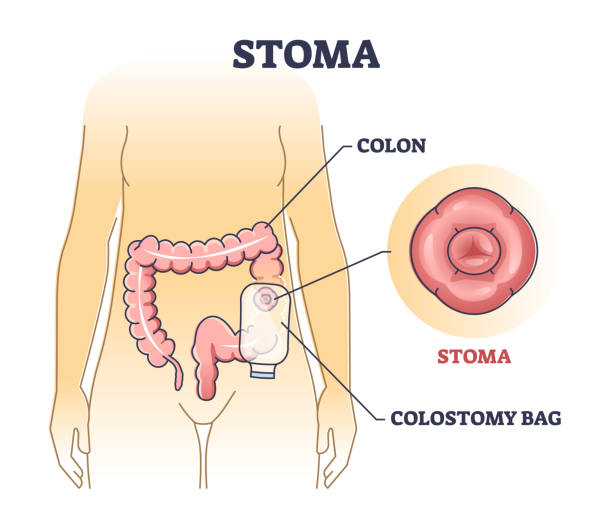
Permanent Colostomy
A portion of the colon is connected to an opening in the abdomen to allow stool passage.
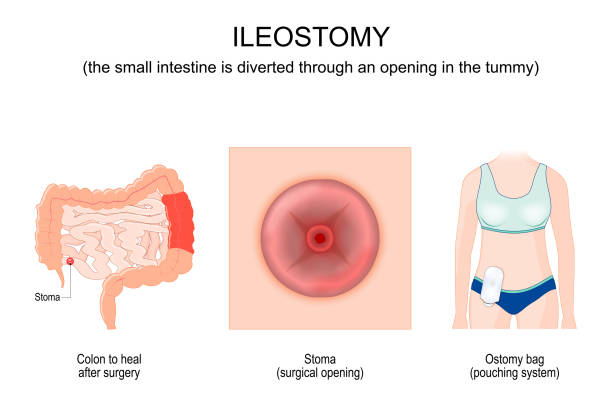
Permanent Ileostomy
The small intestine is connected to the abdominal wall, creating an opening for stool diversion.
A permanent stoma can provide effective cancer control and improve safety in selected cases. However, when preservation is possible, surgeons aim to maintain natural bowel function.
Why do some patients need a permanent stoma? Let’s explore the situations where it may be necessary.
When Is a Permanent Stoma Required in Rectal Cancer Treatment?
A permanent stoma may be recommended when:
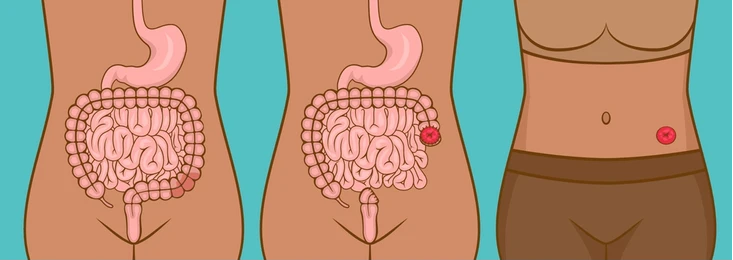
Tumor Involves the Anal Sphincter
If cancer has invaded the muscles responsible for bowel control, preserving them may not be safe.
Complete Cancer Removal Requires Sphincter Removal
The priority in cancer surgery is complete tumor removal with adequate margins.
Very Low Rectal Tumors
Tumors located extremely close to the anus may sometimes require procedures that involve permanent diversion.
Poor Sphincter Function
Patients with pre-existing poor bowel control may not achieve good function after sphincter preservation.
Recurrent Rectal Cancer
Previous treatment or surgery may make sphincter preservation difficult.
The decision is based on cancer safety, functional outcomes, and individual patient factors.
Can a permanent stoma be avoided? Let’s explore the reasons behind sphincter-preserving approaches.
Why Do Surgeons Try to Avoid Permanent Stoma?
Surgeons aim to avoid permanent stomas when safe because preserving natural bowel function can offer several benefits.

Maintaining Natural Bowel Function
Avoiding permanent diversion allows patients to pass stool naturally.
Improved Quality of Life
Many patients experience greater comfort and confidence without a permanent stoma.
Better Body Image
Avoiding an external appliance may help patients adjust emotionally after treatment.
Reduced Lifestyle Changes
Patients may find daily activities, travel, and social interactions easier without permanent stoma care.
Functional Preservation
Modern techniques allow surgeons to balance cancer removal with preservation of important functions.
However, cancer control always remains the primary goal when deciding treatment.
Can rectal cancer surgery preserve the anal sphincter? Let’s explore sphincter-preserving options.
Sphincter Saving Surgery as an Alternative to Permanent Stoma
Sphincter-saving surgery aims to remove rectal cancer while preserving the muscles responsible for bowel control.
Common approaches include:
Low Anterior Resection (LAR)
The diseased portion of the rectum is removed while preserving the anal sphincter.
Intersphincteric Resection (ISR)
This advanced procedure is used for selected low rectal cancers located close to the anal sphincter.
Coloanal Anastomosis
The remaining colon is connected directly to the anal canal to restore bowel continuity.
What decides if sphincter preservation is possible? Let’s explore the key factors considered during treatment planning.
Factors That Determine Whether a Permanent Stoma Can Be Avoided
Tumour Location
The distance of the tumor from the anal sphincter plays an important role.
Cancer Stage
The extent of tumor spread influences available surgical options.
Response to Treatment
A reduction in tumor size after chemotherapy or radiation may improve surgical options.
Sphincter Function
This advanced approach allows surgeons to access the rectum from below in selected cases.
Surgical Expertise
Complex sphincter-saving procedures require specialized experience.
How have modern techniques improved rectal cancer surgery? Let’s explore approaches that support sphincter preservation.
Advanced Surgical Techniques to Preserve Bowel Function
Advancements in rectal surgery include:
Total Mesorectal Excision (TME)
This technique allows precise removal of rectal cancer while preserving surrounding structures.
Transanal Total Mesorectal Excision (TaTME)
This approach provides better access to difficult low rectal tumors in selected cases
Sphincter Preservation Procedures
Advanced reconstruction techniques help restore bowel continuity after tumor removal.
These techniques require careful planning and expertise to achieve optimal outcomes.
Can minimally invasive surgery improve sphincter preservation? Let’s explore the role of advanced technology.
Role of Robotic and Laparoscopic Surgery in Avoiding Permanent Stoma
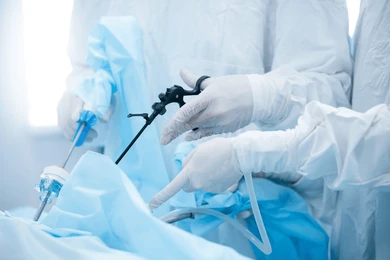
Robotic and laparoscopic approaches provide enhanced visualization and precision during complex pelvic surgeries.
Potential advantages include:
Better view of confined pelvic anatomy
Precise tumor dissection
Improved preservation of surrounding structures
Smaller incisions and faster recovery
What are the benefits of preserving natural bowel function? Let’s explore the impact on patients after recovery.
Benefits of Avoiding Permanent Stoma After Rectal Cancer Surgery

Avoiding a permanent stoma may provide:
Improved Daily Comfort
Patients can maintain natural bowel passage.
Greater Lifestyle Flexibility
Daily activities, work, and travel may become easier.
Better Emotional Adjustment
Some patients experience improved confidence and body image.
Functional Independence
Patients may avoid long-term stoma care requirements.
The decision always depends on achieving safe and complete cancer treatment.
What is life like after sphincter-saving surgery? Let’s explore recovery and functional outcomes.
Quality of Life After Sphincter Preservation Surgery
After sphincter preservation surgery, patients may experience temporary bowel changes, including:
Increased bowel frequency
Urgency
Changes in stool consistency
These symptoms often improve with time, dietary adjustments, rehabilitation, and follow-up care.
Regular monitoring helps manage symptoms and support long-term recovery.
Why Choose Dr. Sandeep Nayak for Rectal Cancer Surgery in Bangalore?

Pioneer in Function-Preserving Rectal Surgery
Dr. Sandeep Nayak has pioneered advanced approaches in colorectal surgery, with a focus on preserving bowel function while maintaining cancer treatment goals.
Expertise in Low Rectal Cancer Management
His experience includes treating challenging low rectal tumors where decisions around sphincter preservation and stoma avoidance require specialized expertise.
Advanced Pelvic Surgical Expertise
Complex rectal surgeries require precise understanding of pelvic anatomy. Dr. Nayak’s expertise helps manage tumors located in technically challenging areas.
Focus on Sphincter-Saving Approaches
He evaluates suitable patients for advanced procedures aimed at maintaining natural bowel function whenever safely achievable.
Integration of Modern Surgical Technology
Dr. Nayak incorporates minimally invasive approaches, including laparoscopic and robotic techniques, where appropriate for individual cases.
Expertise in Complex Treatment Planning
Rectal cancer care often involves multiple treatment stages. His approach includes detailed assessment of imaging, tumor response, and surgical feasibility.
FAQ
1. Why do surgeons try to avoid permanent stoma in rectal cancer surgery?
Surgeons aim to preserve natural bowel function and improve quality of life when cancer can be safely treated without a permanent stoma.
2. Is a permanent stoma always required after rectal cancer surgery?
No. Many selected patients can undergo sphincter-preserving surgery depending on tumor location and other factors.
3. Can low rectal cancer be treated without a permanent stoma?
Yes, selected patients may undergo procedures such as ISR or sphincter-saving surgery.
4. When is a permanent colostomy needed?
It may be required when cancer involves the sphincter or cannot be removed safely while preserving bowel function.
5. Does avoiding a stoma mean cancer treatment is less effective?
No. The goal is complete cancer removal while preserving function whenever it is safe.
Disclaimer: The information shared in this content is for educational purposes and not for promotional use.