
Chemotherapy Before and After Rectal Cancer Surgery
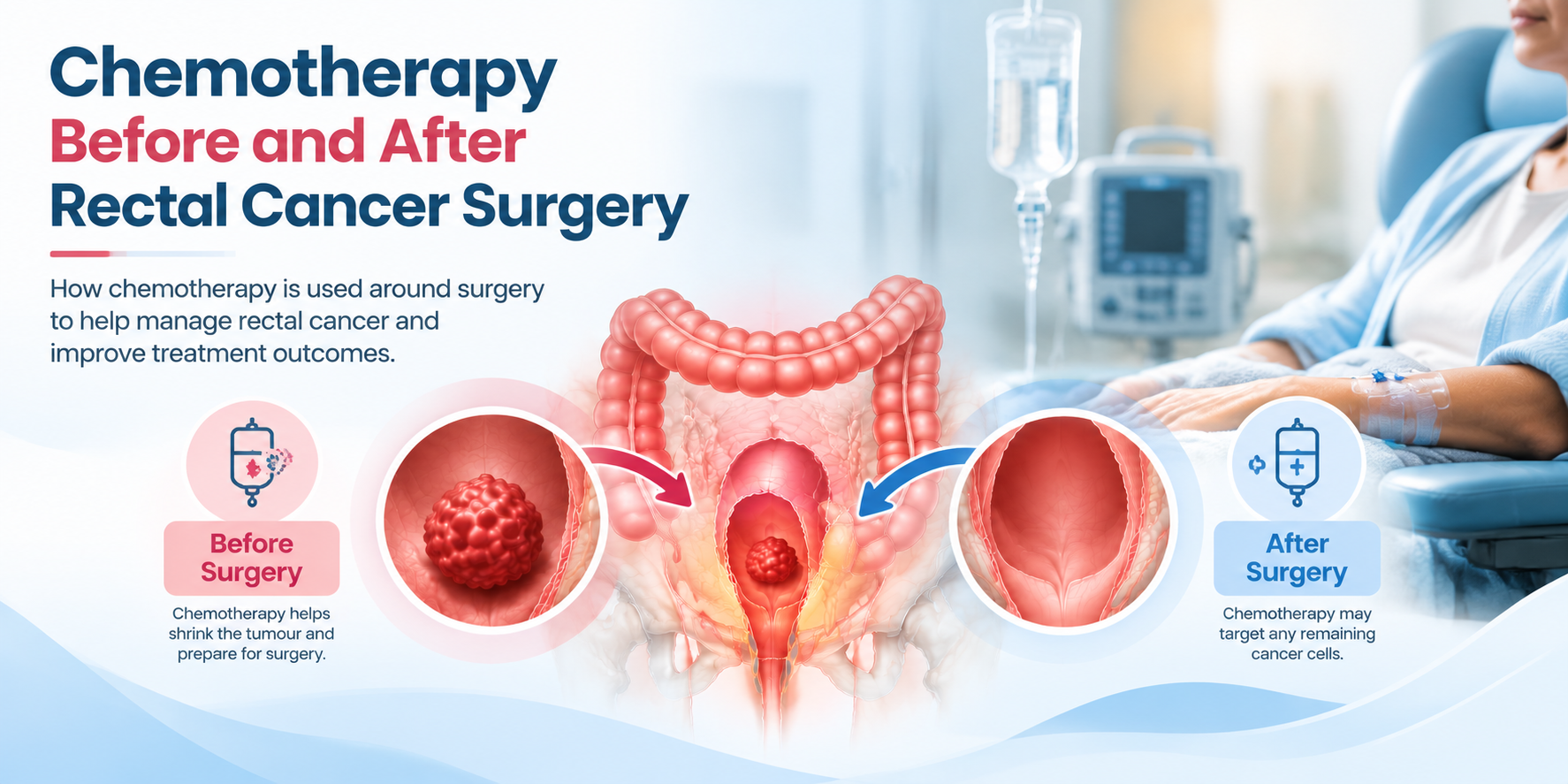
Rectal cancer treatment is planned according to each patient’s disease characteristics, with surgery playing a central role in tumor removal. Chemotherapy before and after rectal cancer surgery is used in selected patients to control cancer cells, improve treatment outcomes, and reduce the risk of recurrence. When given before surgery, it may help control tumor growth and treat cancer cells beyond the primary site, while after surgery, it may help target remaining microscopic cancer cells.
“Chemotherapy is planned according to the individual requirements of each patient. The timing, medicines, and duration are carefully selected depending on the characteristics of the tumor, stage of the cancer, response to previous treatment, and overall health of the individual,” mentions Dr. Sandeep Nayak, an internationally acclaimed oncologist in India.
Dr. Sandeep Nayak has extensive experience in colorectal cancer surgeries and holistic cancer management. He focuses on accurate assessment, evidence-based treatment planning, and coordinated care to develop personalized strategies for patients undergoing rectal cancer treatment in Bangalore at MACS Clinic.
What Is the Role of Chemotherapy in Rectal Cancer Treatment?
Chemotherapy uses anti-cancer medicines to target and destroy cancer cells. In rectal cancer, it may be used alongside surgery and radiation therapy depending on the stage and risk of disease progression.
The role of chemotherapy includes:
Shrink or control the tumor ahead of surgery
Treat cancer cells that may have spread beyond the rectum
Reduce the chance of recurrence after surgery
Improve long-term treatment outcomes
It doesn’t replace surgery when surgical intervention is needed — it works alongside it as part of a wider treatment plan.
Why Is Chemotherapy Given Before Rectal Cancer Surgery?
Chemotherapy before surgery is known as neoadjuvant chemotherapy. It is used in selected rectal cancer patients to control cancer before the operation.
Pre-surgery chemotherapy may help by:
Reducing tumor size
Treating cancer cells outside the primary tumor area
Improving the effectiveness of other treatments
Helping doctors understand how the cancer responds to therapy
For some patients, giving chemotherapy earlier allows the treatment team to address cancer at a stage when it may respond better to systemic therapy.
Can chemotherapy change the course of treatment before surgery? Let’s discover how it contributes to modern rectal cancer management.
How Does Pre-Surgery Chemotherapy Help in Rectal Cancer?
Given before surgery, chemotherapy works throughout the body rather than staying confined to the tumor site, so it can target cells that may not be visible on imaging tests.
Potential benefits include:
Better Control of Cancer Growth
It can slow tumor progression before the operation.
Treatment of Hidden Cancer Cells
It can target microscopic cells that have moved beyond the original tumor.
Improved Treatment Planning
The response to chemo provides valuable information for doctors when planning further treatment.
Support for Organ-Preserving Approaches
In selected cases, reducing tumor burden may help surgeons consider procedures that preserve bowel function.
The suitability of pre-surgery chemotherapy depends on detailed evaluation and cancer staging.
Can you receive all major treatments before surgery? Let’s explore the role of Total Neoadjuvant Therapy in rectal cancer care.
What Is Total Neoadjuvant Therapy (TNT) for Rectal Cancer?
Total Neoadjuvant Therapy (TNT) refers to giving chemotherapy and radiation therapy before surgery rather than completing some treatments after surgery.
TNT may include:
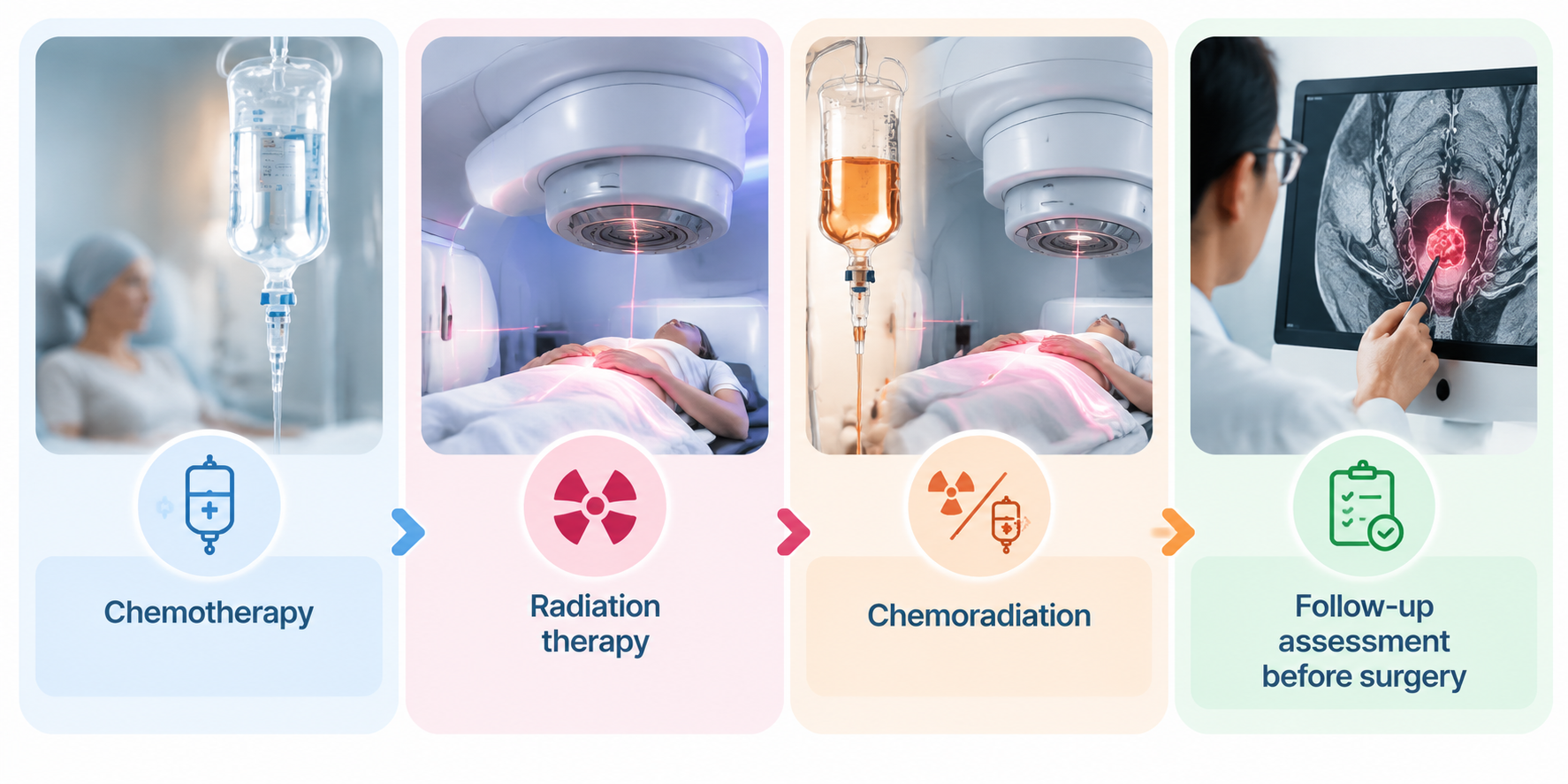
This approach may be considered for selected patients with locally advanced rectal cancer.
Potential advantages of TNT include:
Earlier treatment of cancer cells throughout the body
Better treatment completion rates
Improved tumor response in selected cases
More effective planning before surgery
The decision to use TNT depends on tumor stage, patient health, and treatment goals.
Who may benefit from chemotherapy before rectal cancer surgery? Let’s understand when doctors consider this approach.
When Is Chemotherapy Recommended Before Surgery?
Chemotherapy before surgery may be recommended for patients with:
Locally advanced rectal cancer
Higher-risk tumours
Lymph node involvement
Tumors requiring additional treatment before surgery
Doctors consider several factors, including:
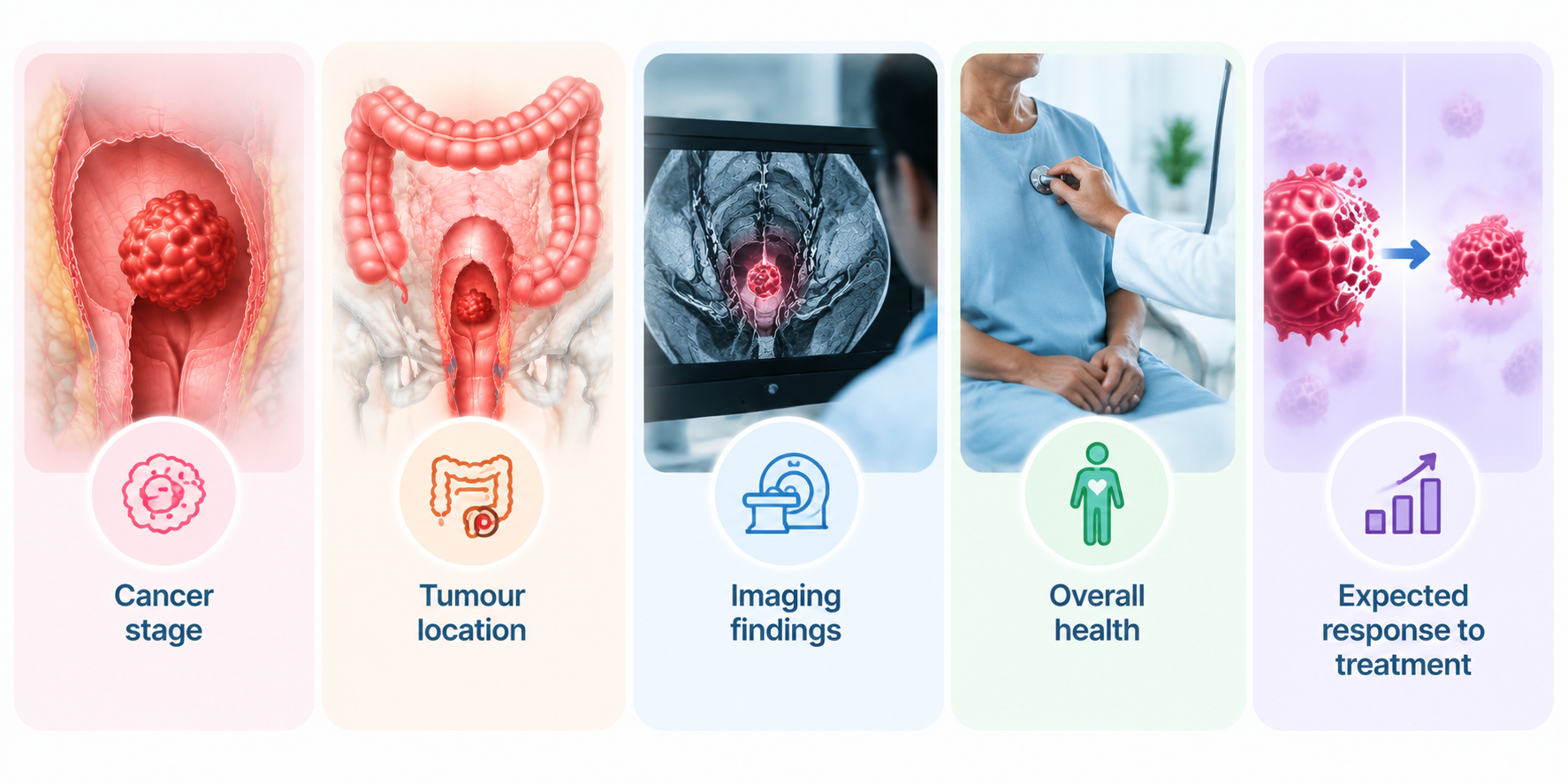
Not every rectal cancer patient requires chemotherapy before surgery. Treatment is personalized based on individual diagnosis.
Are different chemotherapy medicines used for every patient? Let’s explore the common chemotherapy approaches used in rectal cancer treatment.
Types of Chemotherapy Used Before Rectal Cancer Surgery
The choice of chemotherapy depends on the cancer stage, treatment goals, and the patient’s overall health. Doctors may use a single drug or a combination of drugs to improve control of the cancer.
Common chemotherapy combinations used for rectal cancer include:
FOLFOX
FOLFOX combines:
● 5-fluorouracil (5-FU)
● Leucovorin
● Oxaliplatin
It is commonly used for locally advanced rectal cancer and may be part of neoadjuvant treatment plans.
CAPOX or XELOX
This combination includes:
- Capecitabine
- Oxaliplatin
It is another commonly used chemotherapy option in colorectal cancer care.
FOLFIRI
FOLFIRI includes:
- 5-fluorouracil
- Leucovorin
- Irinotecan
It may be considered in specific situations based on disease characteristics.
The choice of chemotherapy depends on the cancer stage, treatment goals, and the patient’s overall health. Doctors may use a single drug or a combination of drugs to improve control of the cancer.
Common chemotherapy combinations used for rectal cancer include:
Why are chemotherapy and radiation sometimes given together? Let’s understand how combined treatment helps selected rectal cancer patients.
How Is Chemotherapy Combined With Radiation Therapy Before Surgery?
Chemotherapy and radiation therapy may be combined before surgery to improve local control of rectal cancer. This approach is known as chemoradiation.
Chemotherapy given along with radiation may:
Make cancer cells more sensitive to radiation
Improve tumor response
Reduce the risk of local recurrence
Support better surgical outcomes
The combination of chemotherapy and radiation is usually considered for patients with certain locally advanced rectal cancers.
The exact treatment sequence depends on factors such as tumor stage, imaging findings, and the overall treatment plan the cancer care team develops.
Does treatment continue after surgery? Let’s explore why chemotherapy may still be needed after tumor removal.
Why Is Chemotherapy Given After Rectal Cancer Surgery?
Chemotherapy after surgery is called adjuvant chemotherapy. It targets cancer cells that may remain in the body even after the visible tumor has been removed.
Post-surgery chemotherapy may be recommended to:
The need for chemotherapy after surgery depends on the final surgical findings, pathology report, and the overall risk of recurrence.
Can chemotherapy after surgery reduce future cancer risks? Let’s understand its role in preventing recurrence.
How Does Post-Surgery Chemotherapy Help Prevent Cancer Recurrence?
Doctors remove the visible tumor during the operation. But some cancer cells may remain undetected because they are too small to appear on scans or imaging tests.
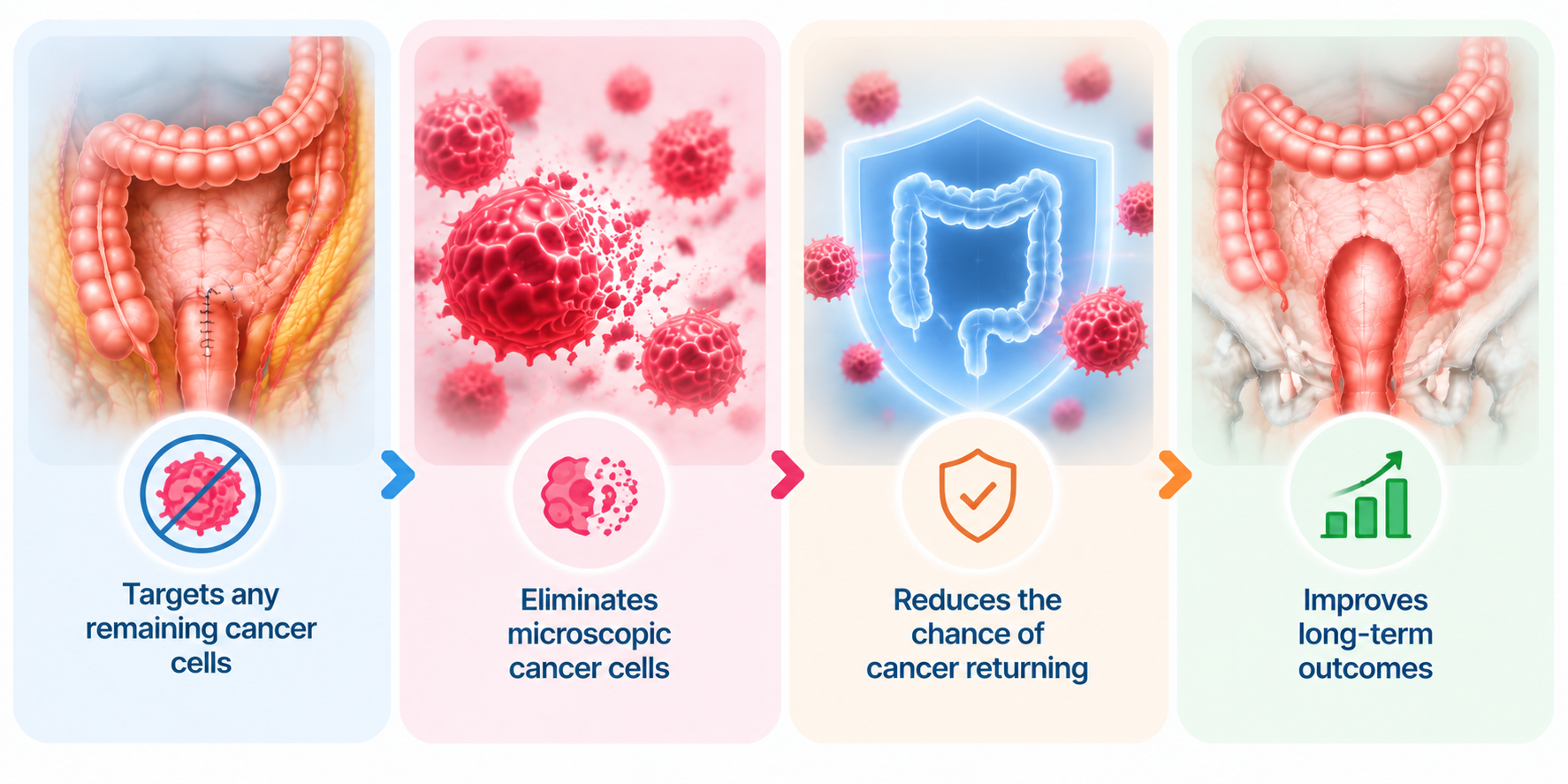
Post-surgery chemotherapy circulates throughout the body and targets these cells. It may be particularly important for patients with
Lymph node involvement
Higher-stage rectal cancer
Aggressive tumor characteristics
Increased risk of recurrence
Whether chemotherapy is used depends on a close review of the cancer pathology and the individual case.
Why do some patients need chemotherapy after surgery while others may not? Let’s explore the factors that influence this decision
Factors That Decide the Need for Chemotherapy After Surgery
The recommendation for post-surgery chemotherapy depends on multiple factors, including:
Cancer Stage
Advanced-stage cancers may have a higher risk of recurrence and may benefit from additional treatment.
Lymph Node Involvement
Cancer spread to nearby lymph nodes can influence the need for chemotherapy.
Pathology Findings
Details from the removed tumor, including margins and tumor characteristics, guide treatment decisions.
Response to Earlier Treatment
How the tumor responds to chemotherapy or radiation before surgery can also influence further care.
Overall Health
Doctors consider the patient’s ability to tolerate chemotherapy before starting treatment.
A personalized approach helps ensure that patients receive treatment appropriate for their condition.
Which medicines are commonly used in rectal cancer chemotherapy? Let’s look at the treatments that doctors may consider.
Common Chemotherapy Medicines Used for Rectal Cancer Treatment
Chemotherapy medicines commonly used for rectal cancer include:
5-Fluorouracil (5-FU)
A medicine that blocks cancer cell growth and division.
Capecitabine
An oral chemotherapy medicine that is converted into 5-FU inside the body.
Oxaliplatin
Often combined with other medicines to improve treatment effectiveness.
Irinotecan
Used in selected patients based on treatment requirements.
The choice of medicine depends on factors such as cancer stage, previous treatment, and the patient’s overall health.
What to Expect During Chemotherapy Treatment?
Before starting chemotherapy, doctors review medical history, test results, and overall health to create a suitable treatment plan.
During chemotherapy:
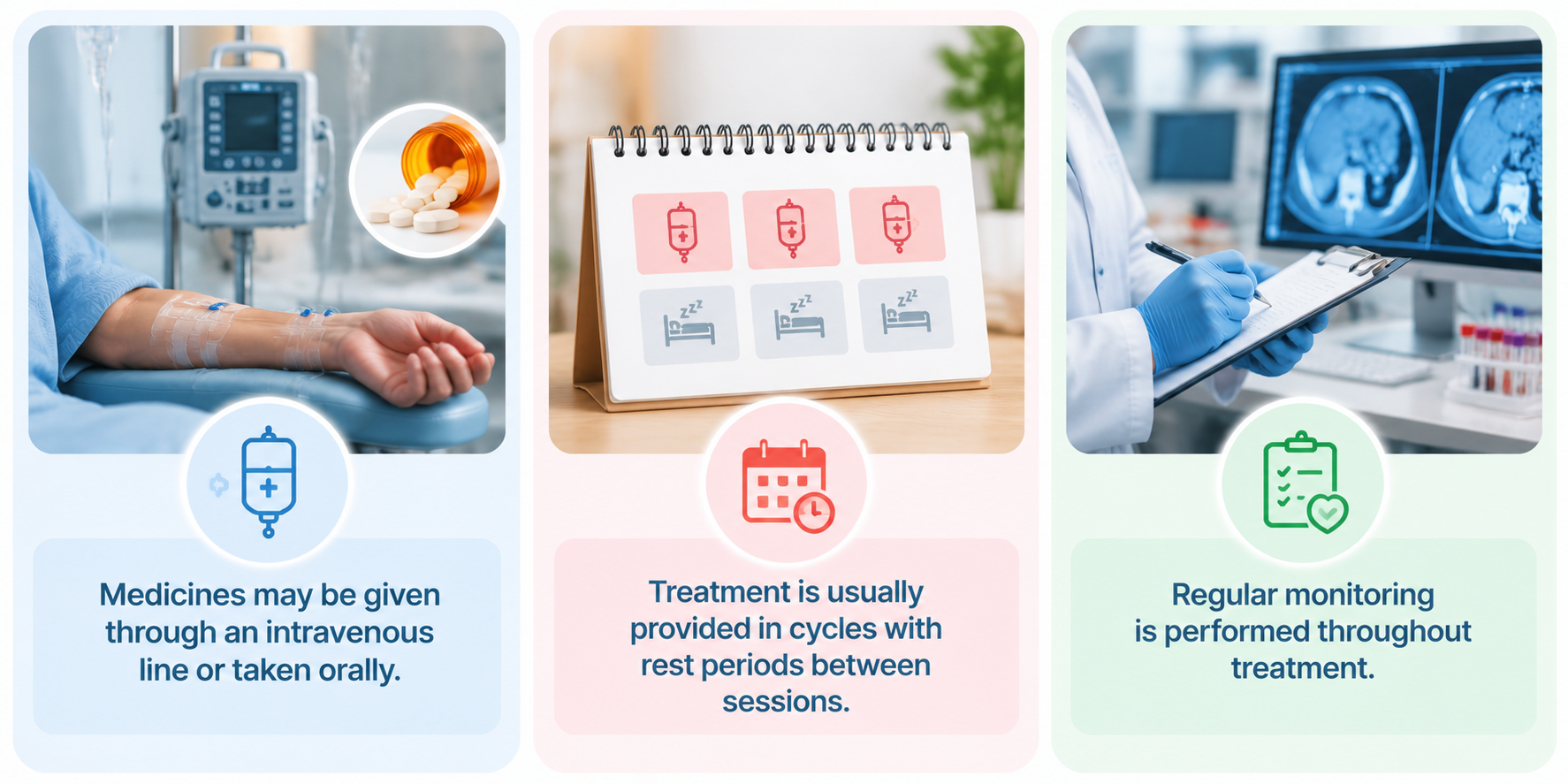
Patients are monitored for:
Treatment response
Blood count changes
Side effects
Overall well-being
The treatment schedule varies depending on the chemotherapy plan and individual response.
What side effects can occur during chemotherapy? Let’s explore common effects and how to manage them
Possible Side Effects of Chemotherapy and Their Management
Chemotherapy affects rapidly dividing cancer cells, but it can also temporarily affect some healthy cells. Side effects vary between patients.
Possible side effects include:
Supportive medicines, dietary guidance, and regular monitoring help manage these effects.
Patients should tell their healthcare team about any symptoms so they can provide appropriate support.
How Doctors Monitor Response to Chemotherapy
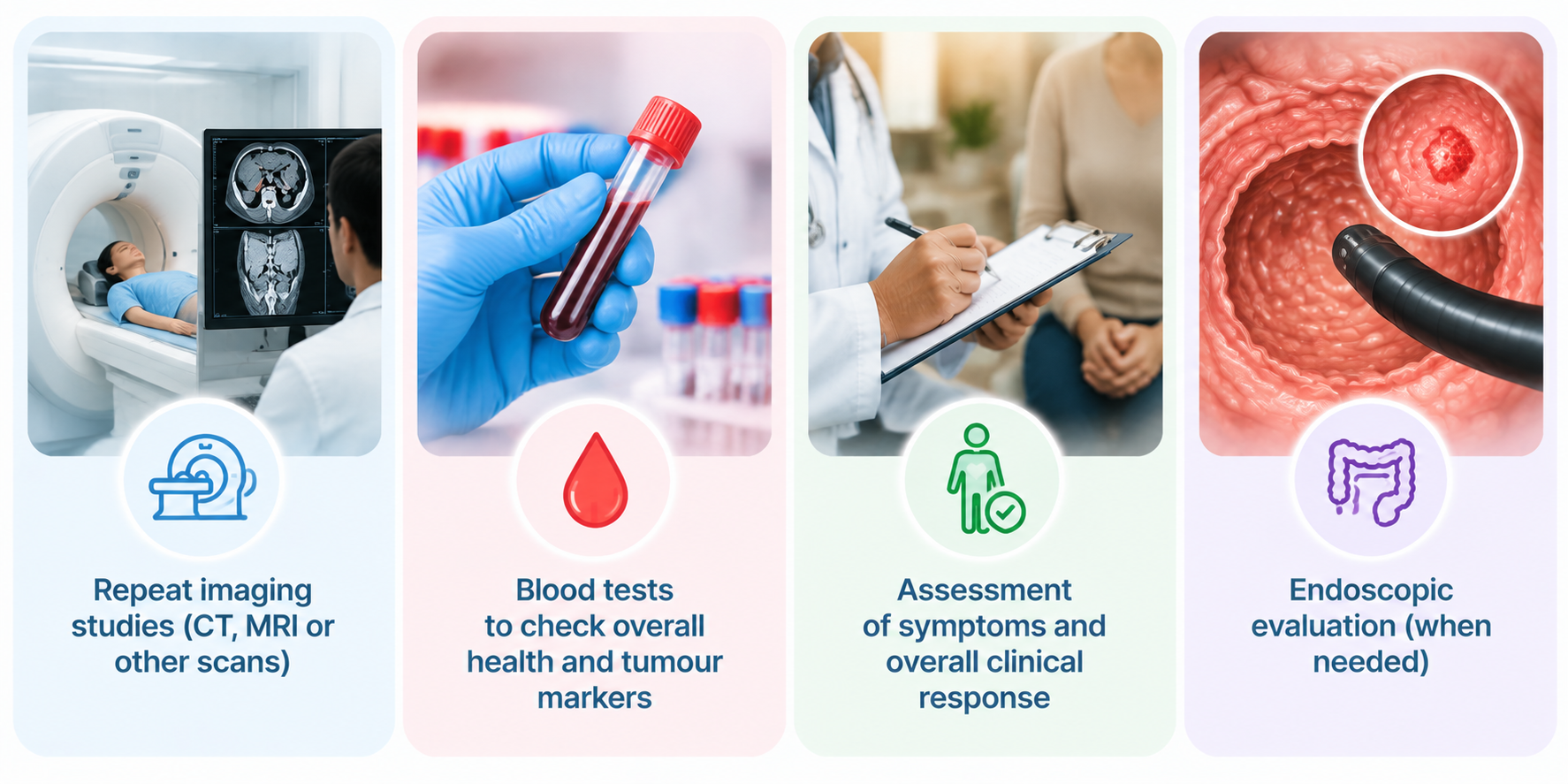
Doctors monitor chemotherapy response using a combination of methods, including:
Imaging Tests
Scans such as MRI or CT may assess changes in tumor size and disease status.
Clinical Evaluation
Doctors evaluate symptoms, treatment tolerance, and overall health.
Blood Tests
Blood tests help monitor organ function and ensure chemotherapy can continue safely.
Surgical Assessment
For patients receiving chemotherapy before surgery, the response helps guide timing and planning.
Regular assessment allows doctors to modify treatment when needed.
Frequently Asked Questions
1. Is chemotherapy necessary for all cases of rectal cancer?
Not always. It depends on the cancer stage, tumor type, and the patient’s health.
2. Why do we use pre-surgery chemotherapy for rectal cancer?
To reduce tumor activity, control cancer cells, and make surgery easier.
3. Why should we give post-surgery chemotherapy for rectal cancer?
Post-surgery chemotherapy helps target microscopic cancer cells and reduce the risk of recurrence.
4. Can chemotherapy shrink a rectal tumor?
Yes- chemotherapy can shrink tumors or control tumor growth.
5. Which side effects of rectal cancer chemotherapy can be mentioned?
Side effects may include fatigue, nausea, appetite changes, bowel changes, and changes in blood counts.
Disclaimer: The information shared in this content is for educational purposes and not for promotional use.