
Sphincter Saving (ISR) Surgery for Low Rectal Cancer
Low rectal cancer can present unique challenges because tumors located close to the anal sphincter may require complex surgical planning. Traditionally, some patients with very low rectal tumors required removal of the anal sphincter and creation of a permanent colostomy. Advances in surgical techniques have introduced sphincter-preserving procedures that aim to remove cancer effectively while maintaining normal bowel function whenever possible.
Sphincter-Saving (ISR) Surgery for Low Rectal Cancer is an advanced surgical technique designed for selected patients with low rectal tumors. It allows removal of the affected rectum while preserving the anal sphincter, helping some patients avoid a permanent stoma.
According to Dr. Sandeep Nayak, a leading surgical oncologist in Bangalore, “Low rectal cancer surgery requires a careful approach because treatment decisions can impact both cancer control and bowel function. The aim is to remove the tumor completely while preserving the sphincter whenever it is safe and appropriate for the patient.”
With over two decades of experience, Dr. Nayak brings specialized expertise in advanced rectal cancer surgery, including sphincter-preserving procedures for complex low rectal tumors. His approach involves careful assessment of tumor characteristics, advanced surgical planning, and precision techniques to help achieve effective cancer treatment while supporting functional outcomes and patient quality of life.
How can surgery treat low rectal cancer while preserving bowel function? Let’s explore the role of intersphincteric resection in rectal cancer care.
What Is Sphincter-Saving Surgery (ISR) for Low Rectal Cancer?
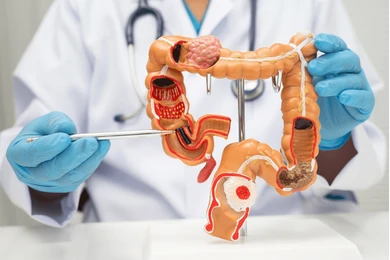
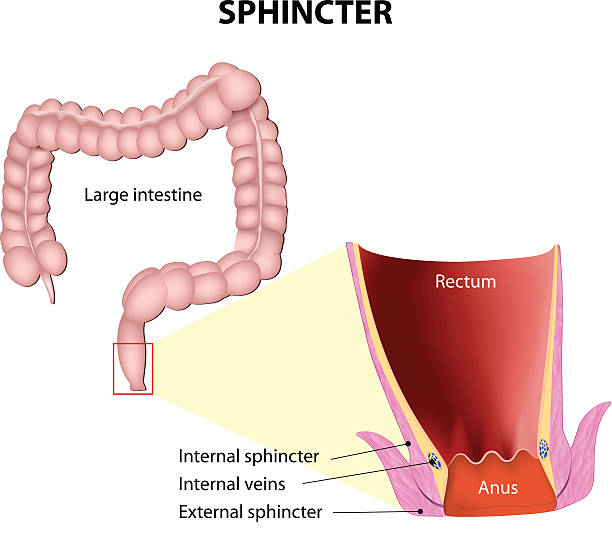
Sphincter-saving (ISR) Surgery for Low Rectal Cancer is an advanced procedure that removes a low rectal tumor while preserving the anal sphincter muscles responsible for bowel control.
Intersphincteric resection (ISR) involves removing the diseased portion of the rectum along with part or all of the internal anal sphincter, depending on tumor location and extent. The remaining colon is then connected to the anal canal through a procedure called coloanal anastomosis.
The main goal of ISR is to achieve complete cancer removal while avoiding a permanent colostomy in carefully selected patients.
This procedure requires detailed assessment of tumor location, response to pre-surgical treatment, and the expertise of an experienced colorectal cancer surgeon.
Who can benefit from sphincter-preserving rectal surgery? Let’s explore the factors that determine whether ISR is suitable.
Who Is a Candidate for Intersphincteric Resection (ISR)?
ISR may be considered for patients with:
Low rectal cancers located close to the anal sphincter
No involvement of the external anal sphincter
Good overall health for major surgery
Tumors that can be completely removed while preserving sphincter function
Adequate response to chemotherapy or radiation therapy when required
Patients who may not be suitable for ISR include those with:
Extensive involvement of the external sphincter
Poor baseline bowel control
Advanced local invasion where complete removal is not possible
A detailed evaluation by an experienced oncologist can help determine the safest and most effective surgical approach.
What happens during an ISR procedure? Let’s explore the surgical steps involved in this advanced technique.
How Is ISR Surgery Performed?
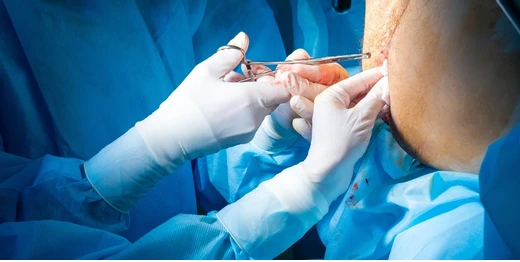
ISR is performed under general anesthesia and usually involves careful planning based on imaging and tumor characteristics.
The procedure typically includes:
Preoperative Assessment
MRI scans, endoscopic evaluation, and staging investigations help determine tumor location and suitability.
Tumor Removal
The surgeon removes the affected rectum and performs intersphincteric dissection to preserve the external sphincter.
Bowel Reconstruction
The remaining colon is connected to the anal canal through a coloanal anastomosis to restore bowel continuity.
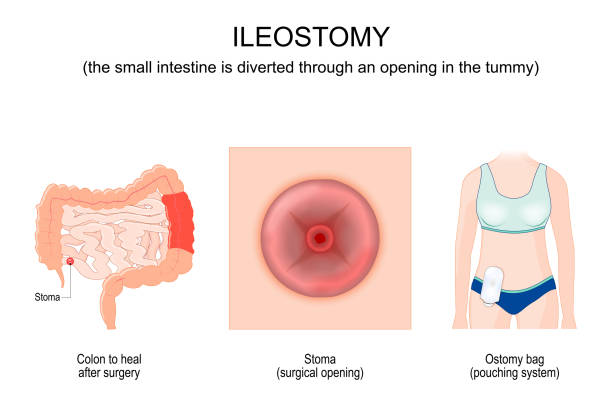
Temporary Protective Stoma
In some cases, a temporary ileostomy may be created to allow healing. This may be reversed after recovery.
Advanced minimally invasive approaches, including laparoscopic or robotic techniques, may be used in selected patients.
Why is sphincter preservation important in rectal cancer treatment? Let’s explore how ISR contributes to modern cancer care.
Role of ISR Surgery in Treating Low Rectal Cancer
The primary objective of rectal cancer surgery is complete removal of cancer while maintaining the best possible quality of life.
ISR can help achieve this by:
Removing low rectal tumors effectively
Avoiding permanent colostomy in suitable patients
Preserving natural bowel passage
Improving psychological and functional outcomes
Patients undergoing rectal cancer treatment in Bangalore at MACS Clinic may be evaluated for advanced sphincter-preserving procedures depending on their tumor characteristics.
What procedures help preserve sphincter function? Let’s explore the surgical options available.
Types of Sphincter Saving Procedures for Rectal Cancer
Low Anterior Resection (LAR)
LAR removes the affected rectal segment while preserving the anal sphincter.
Intersphincteric Resection (ISR)
ISR is specifically designed for selected very low rectal cancers where tumor removal is possible while preserving sphincter function.
Coloanal Anastomosis
This reconstructive procedure connects the colon directly to the anal canal after rectal removal.
Transanal Total Mesorectal Excision (TaTME)
This advanced approach allows surgeons to access the rectum from below in selected cases.
What are the advantages of preserving the anal sphincter? Let’s explore the potential advantages of sphincter-saving approaches.
Benefits of Sphincter Preservation in Rectal Cancer Surgery
Avoiding Permanent Colostomy
The major advantage is the possibility of maintaining natural bowel function.
Improved Quality of Life
Avoiding a permanent stoma may provide psychological and lifestyle benefits for suitable patients.
Better Functional Preservation
Preserving sphincter muscles can help maintain bowel control.
Advanced Cancer Management
ISR allows surgeons to treat selected low rectal cancers while balancing cancer removal with functional preservation.
What determines whether ISR is the right option? Let’s explore the key factors considered during treatment planning.
Factors That Determine Suitability for Sphincter-Saving Surgery
Important considerations include:
Tumour Location
The distance of the tumor from the anal sphincter is a major factor.
Cancer Stage
The extent of cancer spread influences surgical options.
Response to Preoperative Treatment
Tumor response after chemotherapy or radiation may affect eligibility.
Sphincter Function
Existing bowel control and muscle function are evaluated.
Surgical Expertise
Complex sphincter-saving procedures require experience in advanced rectal cancer surgery.
What can patients expect after ISR surgery? Let’s explore recovery and long-term outcomes.
Recovery and Functional Outcomes After ISR Surgery
Recovery varies depending on the complexity of surgery and individual healing.
Patients may experience:
Temporary changes in bowel frequency
Gradual improvement over time
Altered bowel control during recovery
Some patients may experience low anterior resection syndrome (LARS), which can include urgency, increased frequency, or difficulty controlling bowel movements.
Regular follow-up, dietary guidance, and rehabilitation support can help improve functional outcomes.
Is ISR surgery associated with risks? Let’s understand the possible complications.
Risks and Possible Complications of ISR Surgery
Like any major surgery, ISR may involve risks such as:
Bleeding
Infection
Anastomotic leakage
Changes in bowel function
Temporary or permanent bowel control issues
Need for additional treatment
Careful patient selection and surgical expertise help minimize risks and improve outcomes.
How does ISR compare with permanent colostomy? Let’s explore the differences between these approaches.
ISR Surgery vs Permanent Colostomy: Understanding the Difference
Both ISR surgery and permanent colostomy are surgical options used in the management of rectal cancer. The choice depends on factors such as tumor location, cancer stage, sphincter involvement, and the possibility of preserving bowel function.
ISR Surgery
Preserves natural bowel passage
Requires specialized surgical expertise
Avoids permanent stoma in suitable patients
May involve temporary bowel function changes
Permanent Colostomy
Creates an external opening for stool passage
Provides effective cancer control in selected cases
May be required when sphincter preservation is not possible
The choice depends on tumor characteristics, safety considerations, and the need to achieve complete cancer removal.
What factors influence successful sphincter-saving surgery? Let’s explore how Dr. Nayak’s expertise helps achieve effective treatment with a focus on preserving bowel function.
Why Choose Dr. Sandeep Nayak for Sphincter-Saving Surgery in Bangalore?

Expertise in Advanced Rectal Cancer Surgery
Dr. Sandeep Nayak has extensive experience in managing complex rectal cancers with advanced sphincter-preserving techniques.
Focus on Function Preservation
His approach prioritizes effective cancer removal while preserving bowel function and improving quality of life whenever possible.
Expertise in Minimally Invasive Techniques
Dr. Nayak uses advanced approaches, including laparoscopic and robotic techniques, to improve surgical precision in selected patients.
Personalized Treatment Planning
Each patient undergoes detailed evaluation to determine the most suitable treatment strategy based on tumor location, stage, and overall health.
Precision in Low Rectal Cancer Surgery
Sphincter-saving procedures require careful surgical planning, especially for tumours located close to the anal sphincter.
Emphasis on Patient Outcomes
The treatment approach focuses on achieving cancer control while maintaining function, comfort, and long-term well-being.
FAQ
1. What is Sphincter Saving (ISR) Surgery for Low Rectal Cancer?
ISR is an advanced rectal cancer surgery that removes low rectal tumours while preserving the anal sphincter in selected patients.
2. Who is suitable for ISR surgery?
Patients with low rectal cancer without external sphincter involvement may be considered after detailed evaluation.
3. Can ISR surgery avoid a permanent colostomy?
Yes, ISR may allow selected patients to avoid a permanent colostomy by preserving sphincter function.
4. Is a temporary stoma required after ISR?
Some patients may require a temporary stoma to allow healing, which may later be reversed.
5. What is the difference between ISR and LAR?
ISR is used for very low rectal tumours near the sphincter, while LAR is generally used for higher rectal cancers.
Disclaimer: The information shared in this content is for educational purposes and not for promotional use.