
Overview of Rectal Cancer Treatment
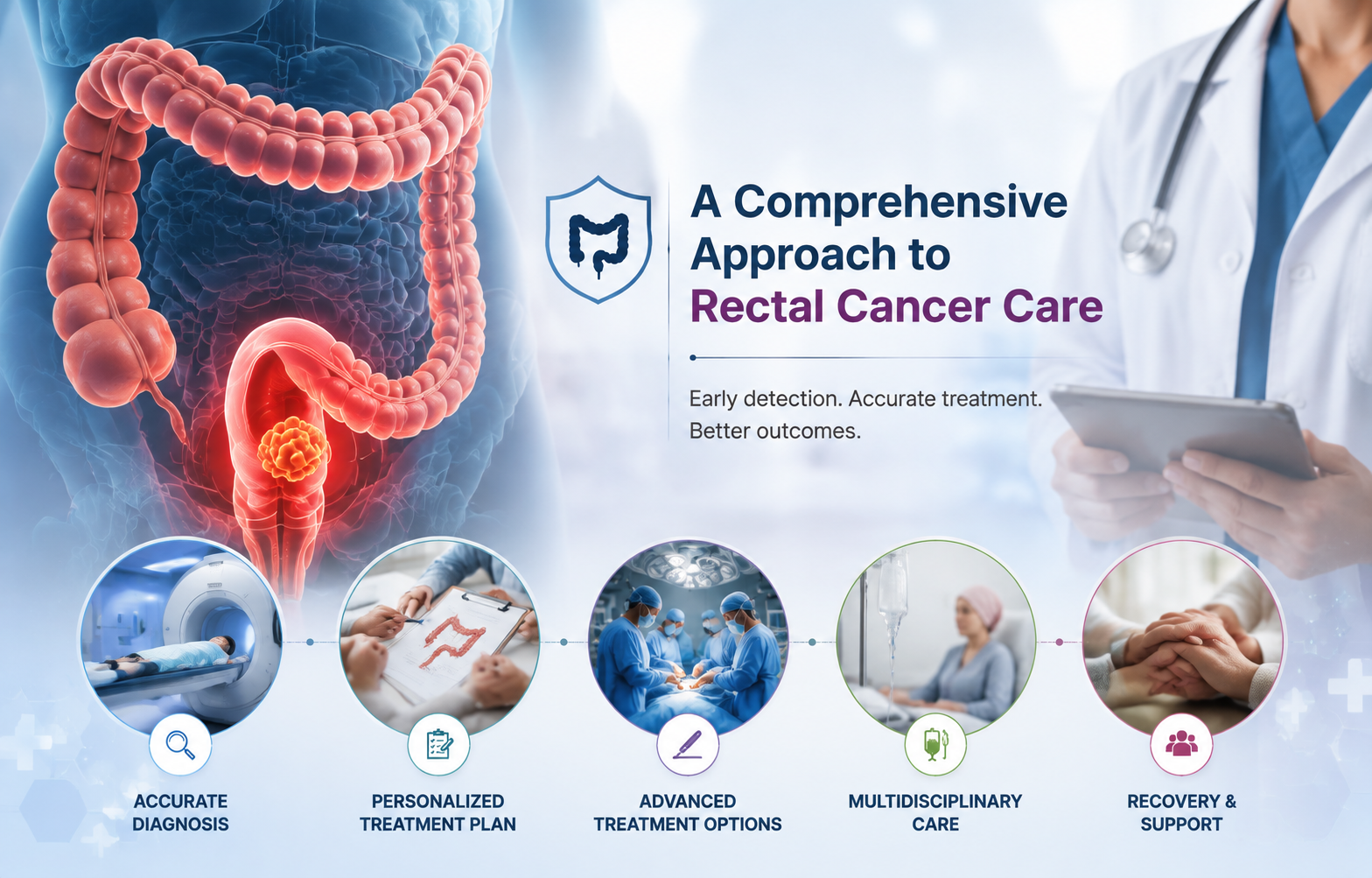
According to Dr. Sandeep Nayak, an internationally trained surgical oncologist in India,
“Successful rectal cancer treatment requires accurate staging, careful planning, and a personalized approach. Advances in surgical techniques now allow us to focus on complete cancer removal while preserving important functions whenever possible.”
Dr. Nayak specializes in advanced colorectal cancer surgery, minimally invasive procedures, and complex rectal cancer management. Through rectal cancer treatment in Bangalore, his approach combines precision surgical techniques with personalized care to achieve effective outcomes while focusing on patient safety, recovery, and long-term quality of life.
What Is Rectal Cancer?
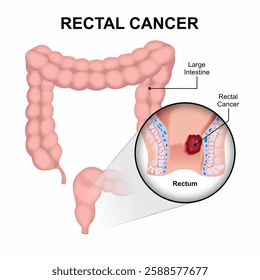
Rectal cancer occurs when abnormal cells in the lining of the rectum begin to grow uncontrollably and form a tumor. The rectum plays an important role in storing stool before it leaves the body, making treatment planning important for preserving bowel function.
Most rectal cancers develop from abnormal growths called polyps, which may gradually become cancerous over time.
Common risk factors include:
Common symptoms may include:
How Is Rectal Cancer Treatment Planned?
Treatment planning begins with accurate diagnosis and staging. A multidisciplinary team evaluates the cancer characteristics to determine the most effective approach.
Important factors include:
Tumour Stage
Tumour Location
Imaging Results
Overall Health
Early evaluation and expert treatment planning can make a difference in rectal cancer care.
Speak with a specialist to understand your treatment options.
Rectal Cancer Treatment Options by Stage
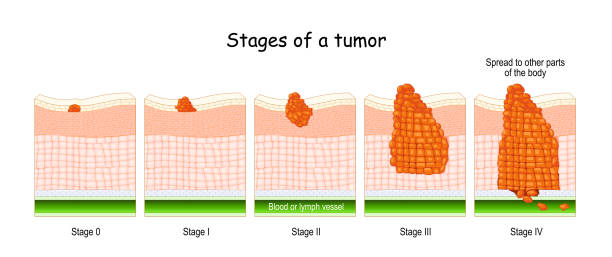
Early-Stage Rectal Cancer
Locally Advanced Rectal Cancer
Advanced Rectal Cancer
How does laparoscopy support rectal cancer care? Let’s explore its role in modern rectal cancer treatment.
Chemotherapy and Radiation Therapy Before Surgery

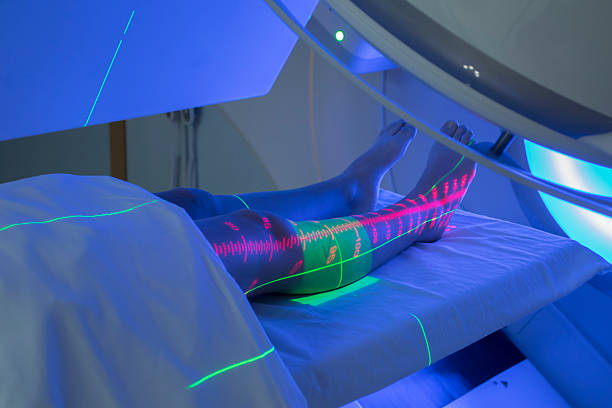
Benefits may include:
Shrinking the tumor before surgery
Increasing the chances of complete tumor removal
Reducing the risk of cancer recurrence
Improving the possibility of preserving bowel function
Surgical Treatment Options for Rectal Cancer

Low Anterior Resection (LAR)
Abdominoperineal Resection (APR)
This may be required for tumors located very close to the anal sphincter, resulting in a permanent stoma.
Total Mesorectal Excision (TME)
Robotic and Laparoscopic Rectal Cancer Surgery

Potential benefits include:
Sphincter-Saving Surgery and Avoiding a Permanent Stoma
One of the major goals of modern rectal cancer surgery is preserving the anal sphincter whenever medically possible.
Sphincter-saving surgery may allow patients to avoid a permanent colostomy. Factors that influence this include:
Tumour location
Tumor response to treatment
Cancer stage
Surgical expertise
Advanced treatment planning helps surgeons balance effective cancer removal with preservation of quality of life.
Are newer treatments available for advanced rectal cancer? Let’s explore targeted therapies and immunotherapy options.
Targeted Therapy and Immunotherapy for Rectal Cancer
Some rectal cancers may have specific genetic or molecular characteristics that allow treatment with targeted medicines.
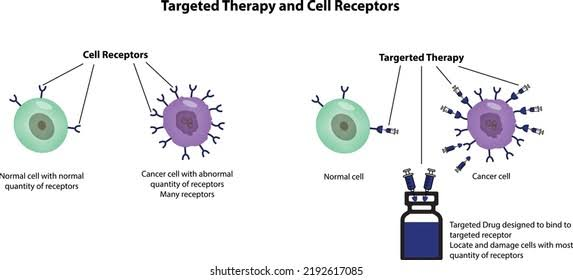
Targeted Therapy
These medicines act on specific changes within cancer cells to slow tumor growth.
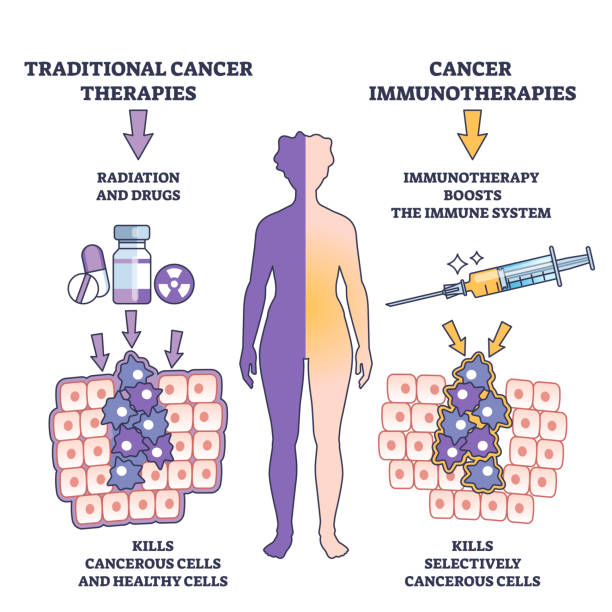
Immunotherapy
Immunotherapy helps the immune system recognize and attack cancer cells. It may be beneficial for selected patients with specific tumor characteristics.
Molecular testing helps doctors determine whether these treatments may be appropriate.
Watch-and-Wait Approach for Rectal Cancer

In selected patients who achieve a complete clinical response after chemotherapy and radiation therapy, doctors may consider active surveillance instead of immediate surgery.
This approach involves:
Regular imaging
Clinical examinations
Endoscopic evaluations
Close monitoring for recurrence
The watch-and-wait strategy requires careful patient selection and follow-up by an experienced cancer team.
Recovery and Follow-Up After Rectal Cancer Treatment
Patients may require:
- Regular follow-up consultations
- Imaging tests
- Colonoscopy monitoring
- Lifestyle guidance
- Support for bowel function changes
After treatment, ongoing surveillance helps detect recurrence early and manage long-term effects.
Why Choose Dr. Sandeep Nayak for Rectal Cancer Treatment?

Expertise in Complex Rectal Cancer Surgery
Dr. Sandeep Nayak has extensive experience in managing complex rectal cancers using advanced surgical techniques.
Advanced Minimally Invasive Approaches
Dr. Nayak specializes in laparoscopic and robotic procedures that help improve surgical precision and recovery in suitable patients.
Focus on Sphincter Preservation
Precision in Surgical Techniques
Dr. Nayak uses advanced surgical methods to achieve accurate tumor removal while protecting surrounding structures.
Patient-Centred Approach
Dr. Nayak focuses on clear communication, informed decisions, and personalized support throughout the treatment journey.
Comprehensive Follow-Up Care
He ensures continued monitoring and guidance after rectal cancer treatment in Bangalore to support recovery and long-term outcomes.
Get expert guidance on rectal cancer treatment options and personalized care plans.
Connect with an expert to find the right approach for your condition.
FAQ
1. Is rectal cancer curable?
Rectal cancer can often be treated successfully, especially when diagnosed early and managed with appropriate treatment.
2. What are the first symptoms of rectal cancer?
Common symptoms include blood in the stool, changes in bowel habits, rectal discomfort, and unexplained weight loss.
3. Is surgery always required for rectal cancer?
Surgery is a key treatment for many patients, but the approach depends on cancer stage and response to other therapies.
4. Can rectal cancer surgery avoid a permanent stoma?
In selected patients, sphincter-saving surgery may help avoid a permanent stoma.
5. Does rectal cancer come back after treatment?
Recurrence is possible, but regular follow-up helps detect and manage changes early.
Disclaimer: The information shared in this content is for educational purposes and not for promotional use.