
Avoiding Surgery for Rectal Cancer: Understanding the Wait and Watch Approach
Rectal cancer treatment has traditionally relied on surgery, but advances in chemoradiation, imaging, and monitoring have enabled non-surgical options for selected patients with a complete treatment response. Avoiding surgery for rectal cancer involves the wait and watch approach, where patients are closely monitored instead of undergoing immediate surgery to identify any signs of recurrence early.
“Treatment decisions in rectal cancer should always balance cancer control with quality of life. For carefully selected patients who achieve a complete clinical response, close surveillance may provide an opportunity to preserve the rectum without compromising safety,” says Dr. Sandeep Nayak, a leading surgical oncologist in Bangalore.

Dr. Sandeep Nayak has handled many complex rectal cancer cases. He chooses treatment based on how the tumour has responded, the nature of the disease and what each patient needs. His experience in advanced colorectal cancer care helps patients understand organ-preserving options and make informed choices at every step.
What Is the Wait and Watch Approach for Rectal Cancer?
Wait and watch is a strategy where surgery is not done right after chemoradiation in carefully selected rectal cancer patients. The patient is monitored closely instead, to ensure that the cancer remains controlled.
This approach is considered when the tumour shows a complete clinical response, meaning there is no visible evidence of remaining cancer after treatment.
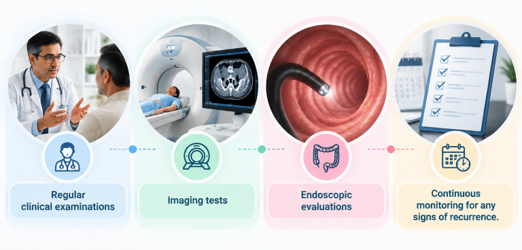
The strategy involves:
The goal is to avoid unnecessary surgery while maintaining the ability to intervene if cancer shows signs of returning.
Need Assistance?
Want to know if surgery can be avoided after rectal cancer treatment? Speak with a specialist to understand your options based on your treatment response.
Why Is Surgery Not Always Immediately Required After Rectal Cancer Treatment?
Surgery remains an important treatment option for many rectal cancer patients. However, some tumours respond extremely well to chemoradiation and may completely disappear on clinical assessment.
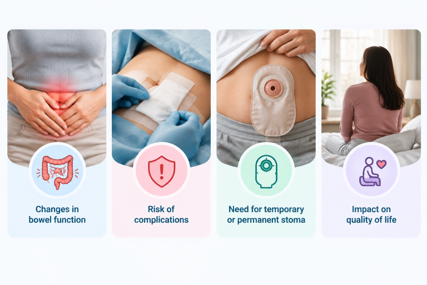
In such cases, immediate surgery may not always provide additional benefit and can sometimes lead to:
The decision to avoid immediate surgery is not based on avoiding treatment but on selecting a safe and evidence-based approach for suitable patients.
How Does the Wait and Watch Approach Help Preserve the Rectum?
One of the major advantages of the wait and watch approach is the possibility of preserving the rectum in patients who achieve a complete response.
Avoiding surgery may help some patients maintain:
Who May Be Eligible for a Wait and Watch Strategy?
The wait and watch strategy is generally considered for carefully selected patients who achieve a complete clinical response after treatment.
Factors that influence eligibility include:
Complete Clinical Response
The tumour should show no detectable signs of active cancer after treatment.
Cancer Stage
Patients with certain locally advanced rectal cancers may be evaluated for this approach.
Treatment Response
The tumour’s response to chemoradiation plays an important role.
Patient Preference and Follow-Up Ability
Patients must be willing and able to undergo regular long-term surveillance.
A detailed assessment by an experienced cancer team is essential before choosing this approach.
Importance of Complete Clinical Response Before Avoiding Surgery

How Doctors Assess Response After Chemoradiation Therapy
After completing chemoradiation therapy, doctors perform detailed assessments to understand how the rectal tumour has responded. The decision to consider a wait and watch approach depends on the accuracy of this evaluation.
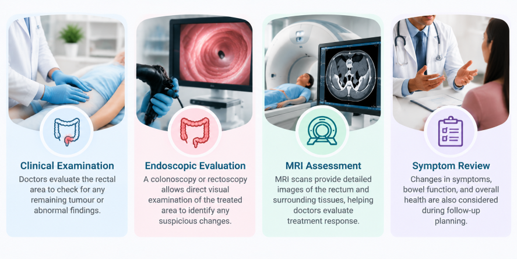
Assessment may include:
A combination of these assessments helps determine whether avoiding immediate surgery is a safe option.
Tests and Monitoring During the Wait and Watch Approach
The wait and watch approach depends on structured and consistent monitoring. Follow-up is essential because any signs of cancer returning need to be identified early.
Monitoring may include:
What Happens During Regular Follow-Up After Choosing Watch and Wait?
Patients following a watch and wait strategy remain under close medical supervision. Follow-up appointments are scheduled regularly to ensure that any changes are detected promptly.
During these visits, doctors may:
Benefits of Avoiding Immediate Surgery in Selected Rectal Cancer Patients
Avoidance of permanent changes such as a stoma
However, these benefits apply only when the approach is considered medically appropriate. Cancer safety remains the primary goal when making treatment decisions.
Patients considering rectal cancer treatment in Bangalore should discuss all available options with an experienced specialist before deciding on a treatment pathway.
Risks and Limitations of the Wait and Watch Approach
Although the wait and watch approach can help selected patients preserve the rectum, it requires careful consideration of potential risks.
Possible limitations include:
Successful outcomes depend heavily on accurate assessment, patient selection, and access to experienced specialists.
The approach is not considered a replacement for surgery in all cases but rather an alternative strategy for carefully selected patients.
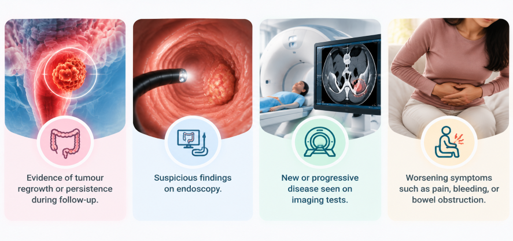
When Is Surgery Recommended During the Follow-Up Period?
Tumour regrowth
Persistent cancer after initial treatment
Changes suggesting disease progression
Role of Advanced Imaging and Endoscopy in Monitoring Rectal Cancer
MRI Imaging
Endoscopy
Clinical Evaluation
How Multidisciplinary Team Decisions Guide Treatment Planning
This collaborative approach helps determine whether surgery, continued surveillance, or another treatment strategy is most suitable.
Dr. Sandeep Nayak, an eminent oncologist in Bangalore, focuses on personalised colorectal cancer management through careful evaluation and coordinated treatment planning.
Need Assistance?
Considering rectal preservation options? Connect with an experienced specialist to discuss treatment response, monitoring, and personalised care plans.
FAQ
Can rectal cancer be treated without surgery?
Is the wait and watch approach safe for rectal cancer?
Who is suitable for avoiding rectal cancer surgery?
What happens if rectal cancer comes back during surveillance?
How often are follow-up tests needed in the wait and watch approach?
Does avoiding surgery mean the cancer is cured?
What is the success rate of the wait and watch approach for rectal cancer?
Can every rectal cancer patient choose watch and wait?
Disclaimer: The information shared in this content is for educational purposes and not for promotional use.