
Laparoscopic Colon Surgery
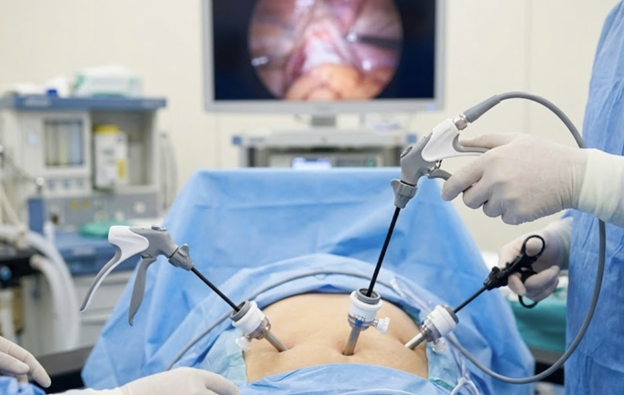
What Is Laparoscopic Colon Surgery?
Need Assistance?
Experiencing persistent abdominal discomfort or changes in bowel habits? A professional evaluation can help identify the cause early and guide appropriate care.
Conditions Treated with Laparoscopic Colon Surgery
Laparoscopic colon surgery may be used to manage several colon-related conditions, including:
Colon and colorectal cancer
Large or complex colon polyps
Inflammatory bowel diseases such as Crohn’s disease and ulcerative colitis
Diverticulitis with complications
How Laparoscopic Colon Surgery Is Performed
Pre-Operative Preparation
Before undergoing surgery, you will be given:
- A detailed consultation includes reviewing reports, explaining the treatment plan, and addressing patient questions to ensure clarity and confidence before surgery.
- Guidance on bowel preparation includes clear instructions on diet and prescribed cleansing methods to ensure the colon is prepared for safe, effective surgery.
- Nutritional advice is provided to help prepare the body for surgery and support healing, focusing on proper hydration, balanced meals, and adequate protein intake to promote smoother recovery.
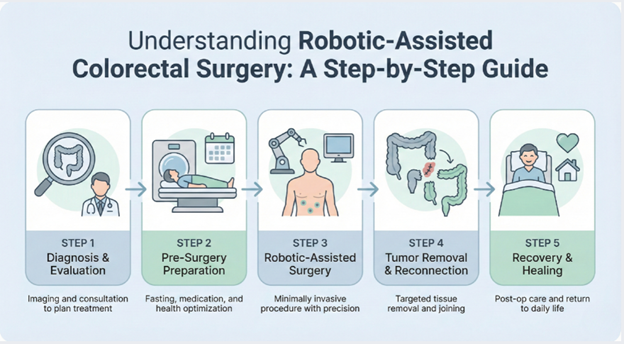
During Laparoscopic Surgery
- The procedure is usually conducted under general anesthesia
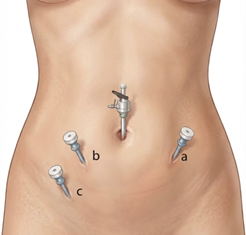
- Small incisions are made in the abdomen.
- A laparoscope (camera) and operating instruments are introduced
- Then, the cancerous part is carefully eliminated
- Healthful bowel now reestablished,
- Precision and safety are the hallmarks of the technique described by Dr. Nayak, providing the utmost preservation of normal function.
Post-operative care
- Appropriate medications manage pain
- Early mobilization is recommended
- Diet progresses from liquid to solid
- Follow-up imaging and blood tests are scheduled
Need Assistance?
Benefits of Laparoscopic Approach in Colorectal Cancer
Compared to traditional open surgery, laparoscopic colon surgery offers several well-documented advantages:
Recovery After Laparoscopic Colon Surgery
Return to routine activities within 3 to 6 weeks
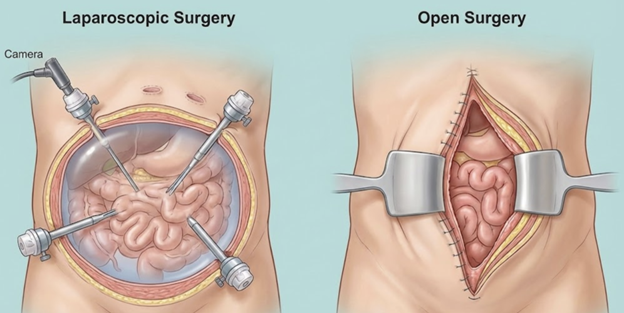
Laparoscopic Colon Surgery vs Open Colon Surgery
Feature | Laparoscopic Surgery | Open Surgery |
Incision size | Small keyhole incisions | Large abdominal incision |
Postoperative pain | Generally lower | Generally higher |
Hospital stay | Shorter | Longer |
Recovery time | Faster | Slower |
Scarring | Minimal | More noticeable |
When to Consult a Specialist
Need Assistance?
FAQ
Is Laparoscopic Colon Surgery Safe?
Laparoscopic colon surgery is considered safe and effective when performed by trained surgeons. As with any surgical procedure, potential risks may include bleeding, infection, bowel leakage, or anesthesia-related complications.
Careful patient evaluation and proper surgical planning help minimize these risks.