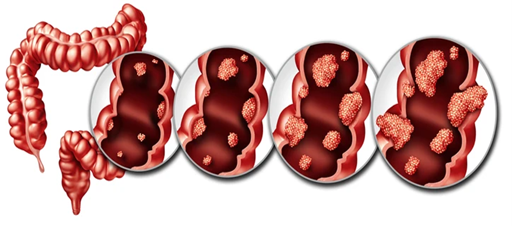
D3 Lymph Node Dissection for Colorectal Cancer Treatment

Lymph node dissection is a crucial part of cancer surgery, especially in colorectal cancers, as it helps determine whether cancer has spread beyond the primary tumor. Removing and analyzing lymph nodes allows for accurate staging, better treatment planning, and reduces the risk of recurrence. This is where D3 lymph node dissection for colorectal cancer treatment becomes particularly important, as it involves the precise removal of lymph nodes along major blood vessels to achieve more thorough cancer clearance.

Dr. Sandeep Nayak, a prominent surgical oncologist in India, states, “A meticulous lymph node dissection significantly improves staging accuracy and reduces the risk of recurrence.” He further notes that precision in D3 dissection plays a vital role in achieving better long-term patient outcomes.

Dr. Nayak leads advanced cancer care at MACS Clinic, offering expertise in complex colorectal procedures, including D3 lymph node dissection for colorectal cancer treatment. He is known for his proficiency in minimally invasive and robotic surgeries, delivering comprehensive colorectal cancer treatment in Bangalore. At MACS Clinic, patients benefit from cutting-edge technology, personalized treatment plans, and a multidisciplinary approach focused on safety, precision, and improved recovery outcomes.

What does D3 lymph node dissection actually involve? Let’s break it down

What is D3 Lymph Node Dissection?

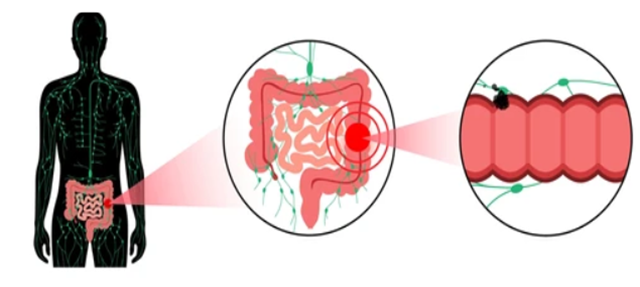
D3 lymph node dissection is an advanced surgical technique that is applied in the treatment of colorectal cancer. It entails excising not only the lymph nodes close to the tumor (D1 and D2 levels) but also those along the main feeding blood vessels (D3 level). This ensures a more thorough clearance of any potentially affected lymph nodes.

This approach improves staging accuracy and removes microscopic disease that may not be detected on imaging, making it an essential measure for effective cancer treatment.
u

Need Assistance?

Want to understand if this procedure is needed in your case? Connecting with a specialist can guide you with the right evaluation.

Why is D3 lymph node dissection important? Let’s explore the advantages

Benefits of D3 Lymph Node Dissection in Colorectal Cancer

Improved cancer clearance

Removes a larger number of lymph nodes, which decreases the risk of residual disease.

Accurate staging

Assists in the determination of the exact stage of cancer to allow better treatment planning.

Better survival outcomes

Associated with improved long-term survival in selected patients.

Reduced recurrence risk

Minimizes chances of cancer returning.

Enhanced treatment planning

Guides the need for additional therapies like chemotherapy.
This comprehensive approach makes it a preferred option in advanced colorectal cancer surgeries.
When is this procedure recommended? Let’s find out

Indications for D3 Lymph Node Dissection

D3 lymph node dissection is typically considered in:

Locally Advanced Colorectal Cancer

When the tumor has grown beyond the inner layers and requires extensive clearance.

Suspected Lymph Node Involvement

When imaging or biopsy suggests cancer spread to nearby lymph nodes.

Tumors Near Major Blood Vessels

When cancer is located close to main vascular structures, it requires D3-level dissection.

High Risk Tumor Features

Aggressive or high-grade tumors with higher chances of spread.

Incomplete Endoscopic Removal

When polyps or early cancers cannot be fully removed through endoscopy.

Need for Accurate Staging

To determine the exact extent of disease and guide further treatment, such as chemotherapy.

The decision depends on tumor location, stage, and the patient’s overall health.

How is the surgery performed? Let’s walk through it

The D3 Lymph Node Dissection Procedure

1. Preoperative Planning

Imaging tests, such as CT scans, are used to map tumor and lymph node involvement for precise planning.

2. Anesthesia

The procedure is performed under general anesthesia to ensure the patient remains comfortable and pain-free.

3. Surgical Approach:

Minimally invasive techniques, such as laparoscopic or robotic surgery, are commonly used to achieve greater precision.
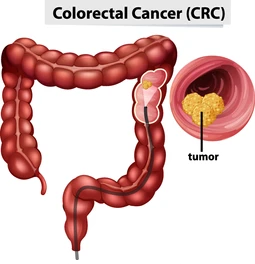
4. Lymph Node Dissection

Lymph nodes along the main blood vessels (D3 level) are carefully identified and removed.

5. Tumor Removal

The affected portion of the colon or rectum is surgically removed along with surrounding tissue.

6. Reconstruction

The healthy ends of the bowel are reconnected to restore normal function.

7. Completion and Monitoring

The procedure is completed, and the patient is closely monitored during recovery.
What happens after surgery? Let’s go step by step

Recovery and Aftercare

Hospital Stay

Usually 3–5 days with monitoring for stable recovery.

Pain Management

Mild to moderate pain managed with medications.

Diet Progression

Gradual shift from liquids to normal diet.

Follow-Up Visits

Regular check-ups to monitor healing and recovery.

Mobility

Early movement is encouraged to prevent complications.

Wound Care

Keep the surgical site clean and watch for signs of infection.

Lifestyle Changes

A healthy diet and routine support long-term outcomes.
Proper aftercare is essential for smooth recovery and long-term success.
Looking for the right surgical expertise for this advanced surgery? Let’s explore what sets us apart.

Why Choose Us for D3 Lymph Node Dissection?

Expert Surgical Care

Led by Dr. Sandeep Nayak, a highly regarded oncologist in India with expertise in complex colorectal surgeries.

Advanced Techniques

Utilizes laparoscopic and robotic techniques for precise lymph node removal and improved outcomes.

Personalized Treatment

Each procedure is tailored to the tumor stage, location, and patient health to achieve optimal results.

Comprehensive Care

Offers complete colorectal cancer treatment in Bangalore from diagnosis to post-surgery recovery.

Focus on Outcomes

Emphasis on complete cancer clearance, faster recovery, and reduced complications.

Multidisciplinary Approach

Coordinated care by a team of oncologists and specialists for holistic treatment.
u

Need Assistance?

Need expert guidance for advanced colorectal surgery? Get in touch with an expert to explore the most effective and personalized treatment approach.

FAQ

1. Why is lymph node removal important in cancer?

It helps determine the spread of cancer and reduces the risk of recurrence.

2. Who needs D3 lymph node dissection?

Patients with advanced colorectal cancer or suspected lymph node involvement.

3. Is the procedure minimally invasive?

It is often performed laparoscopically or robotically for greater precision and faster recovery.

4. How many lymph nodes are removed?

A higher number compared to standard surgery for accurate staging and clearance.

5. Can cancer recur after this procedure?

There is a risk, but regular follow-ups help detect recurrence early.

6. What is the difference between D1, D2, and D3 lymph node dissection?

D1 and D2 remove nearby nodes, while D3 includes nodes along major blood vessels for more extensive clearance.

7. Can D3 dissection prevent cancer spread completely?

It significantly reduces risk but cannot guarantee complete prevention.
Disclaimer: The information shared in this content is for educational purposes and not for promotional use.