
Recovery After Rectal Cancer Surgery: The Enhanced Recovery Pathway
Recovery after rectal cancer surgery has transformed in recent years, moving away from prolonged bed rest toward a structured, evidence-based approach that gets patients back on their feet faster and with far less discomfort. The Enhanced Recovery After Surgery protocol, known as ERAS, is now the standard of care for rectal cancer surgery worldwide and forms the backbone of every patient’s recovery plan.
“A well-informed patient is better equipped to manage changes, recognize warning signs, and make decisions that protect their long-term health,” says Dr. Sandeep Nayak. “Clear guidance from the first day of recovery makes a measurable difference to the outcome.”
At the center of this approach is Dr. Sandeep Nayak, a surgical oncologist in India recognized for combining precise operative technique with a rigorous post-surgical care plan. His practice at MACS Clinic and KIMS Hospitals treats the ERAS protocol as a clinical standard rather than an optional add-on. It begins at the first consultation and continues well beyond discharge, forming an integral part of every patient’s colorectal cancer treatment in Bangalore.
Curious about the ERAS protocol and how it shapes recovery? Let’s explore what this evidence-based pathway involves.
What Is the Enhanced Recovery After Surgery (ERAS) Protocol?
The Enhanced Recovery After Surgery protocol is a multimodal care plan that brings together the best evidence from surgery, anesthesia, nutrition, and physiotherapy. It replaces older practices like prolonged fasting, heavy sedation, and extended bed rest with a more active, patient-centered approach.
ERAS reduces the physical stress of surgery on the body, lowers the risk of complications, and helps patients regain strength faster. It is now widely adopted in leading hospitals for rectal cancer treatment in Bangalore and around the world.
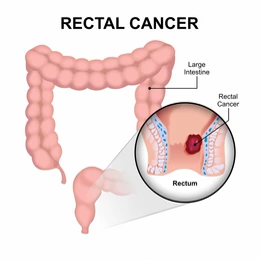
Before Surgery: Prehabilitation and Preparation
The ERAS pathway starts weeks before the procedure. Prehabilitation focuses on improving the patient’s physical and nutritional condition so the body is in the best possible state to handle surgery and heal quickly.
Key steps include:
Nutritional optimization: Ensuring adequate protein and calorie intake before surgery.
Physical activity: Light exercise to build strength and stamina.
Stopping smoking and alcohol: Both significantly impair healing and increase complication risk.
Bowel preparation: Selective use, as routine bowel cleansing is no longer standard in most cases.
Pre-operative counseling: Patients are informed about what to expect at every stage, reducing anxiety.

A well-prepared patient heals faster and more smoothly.
The Day of Surgery
ERAS changes several standard practices on the day of surgery. Rather than following the outdated rule of fasting from midnight, patients are encouraged to drink clear fluids up to two hours before anesthesia. This keeps energy levels stable and reduces physical stress on the body going into the procedure.
Key practices on surgery day include:
Carbohydrate loading
Shorter-acting anesthesia
Regional anesthetic techniques
Minimal use of drains and tubes

Careful fluid management
Warming measures
The First 24 to 48 Hours After Surgery
Early removal of tubes
Oral fluids
Sitting up and standing
Pain monitoring
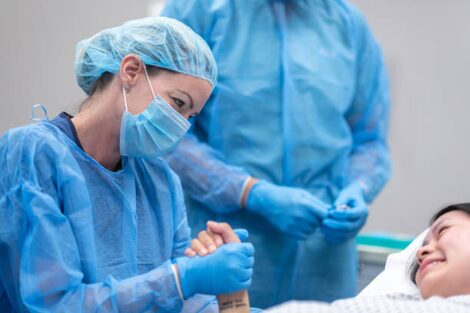
Early Mobilization and Why It Matters
Getting up and moving within hours of surgery may seem surprising, but it is one of the most powerful tools in the ERAS protocol. Early movement reduces the risk of blood clots, chest infections, and muscle weakness. It also stimulates bowel function and helps the body clear anesthetic drugs faster.
Physiotherapists guide patients through gentle walking from the first day, gradually increasing activity with each passing day. The goal is steady progress, not speed, and every step is tailored to how the patient feels.

Managing Pain Without Heavy Sedation
Effective pain control is central to the ERAS approach, but the aim is to achieve it without relying on heavy opioid drugs that cause drowsiness and delay recovery. A multimodal pain strategy uses a combination of:
Regional anesthesia: Epidurals or nerve blocks that target pain at its source.
Anti-inflammatory medication: Drugs that reduce pain and swelling with fewer side effects.
Paracetamol and mild analgesics: Used regularly to keep pain at a manageable level.
Minimally invasive surgery: Smaller incisions naturally mean less post-operative pain.
Returning to Eating and Drinking
Returning to eating and drinking is a key milestone in recovery. Under the ERAS protocol, oral fluids are introduced within hours of surgery, and soft foods follow as soon as the bowel shows signs of activity. This early nutrition supports wound healing and rebuilds strength.
Patients are advised to:
Start with clear fluids and progress gradually to solid foods.
Focus on high-protein meals to support tissue repair.
Eat small, frequent meals rather than large portions.
Stay well hydrated throughout the recovery period.

Recovery Timeline: Hospital Stay to Discharge
Day 0 to 1
fluids.
Day 1 to 2
Day 2 to 3
Day 3 to 5
Week 2 to 4
Week 6 onwards
How ERAS Speeds Recovery in Minimally Invasive Surgery
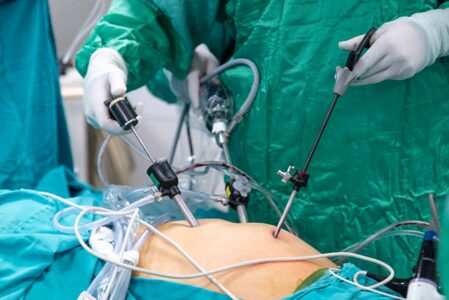
The ERAS protocol and minimally invasive surgery are a natural pair. Laparoscopic and robotic-assisted procedures cause significantly less trauma to the body than open surgery, which means less pain, less blood loss, and a faster return of bowel function.
When combined with the ERAS protocol, these techniques produce shorter hospital stays, fewer complications, and a smoother path back to normal life. Patients who undergo robotic rectal surgery under an ERAS plan often leave the hospital within three to five days and return to daily activities within weeks.
You can also learn more about the full treatment approach on our Understanding Rectal Cancer page.
Why Choose Dr. Sandeep Nayak for Rectal Cancer Surgery
The quality of surgical care directly shapes how well and how quickly a patient recovers. Here is what distinguishes Dr. Sandeep Nayak in rectal cancer surgery.
Two Decades of Rectal Cancer Surgical Expertise
Robotic Precision in the Narrow Pelvis
Specialist in Low Rectal and Complex Tumors
Deep experience in intersphincteric resection and technically demanding cases that require surgical judgment beyond standard training.
Sphincter Preservation Wherever Clinically Possible
Every operation is planned to maintain natural bowel continuity and avoid a permanent stoma, protecting long-term quality of life from the outset.
Minimally Invasive Technique That Accelerates Healing

International Standards of Surgical Care
A trusted surgical oncologist in India whose surgical outcomes and ERAS implementation align with the highest international standards in cancer treatment in Bangalore.
Experienced, specialized care offers the best chance of a successful outcome.
FAQ
1. How long does recovery take after rectal cancer surgery?
2. What is the ERAS protocol?
3. How does robotic surgery affect recovery?
4. Will I need a stoma after rectal cancer surgery?
5. Does prehabilitation really make a difference?
Disclaimer: The information shared in this content is for educational purposes and not for promotional use.