
Rectal Cancer Treatment Options: All Paths at a Glance
Rectal cancer treatment has evolved into one of the most specialized areas of cancer care, offering a wide range of options that go far beyond surgery alone. The location of the rectum deep within the pelvis, its proximity to the sphincter, and its role in bowel control make treatment planning considerably more complex than for other cancers. Every decision, from whether to use radiation before surgery to whether a stoma can be avoided, requires careful assessment by an experienced specialist.
“The goal is never just to treat the cancer,” says Dr. Sandeep Nayak, a globally distinguished surgical oncologist in India. “It is to treat it in a way that preserves as much normal function and quality of life as possible.”
This page brings together the full range of rectal cancer treatment options, from minimally invasive surgery to organ-preserving approaches and advanced systemic therapies. Each pathway is delivered under the care of Dr. Sandeep Nayak, a well-established name in cancer treatment in Bangalore.
What factors actually shape a rectal cancer treatment plan? Let’s examine how the right path is determined.
How Rectal Cancer Treatment Is Decided
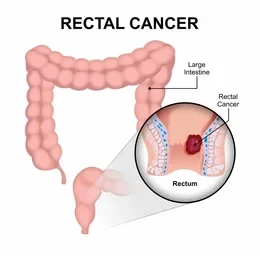
Rectal cancer treatment is never chosen by a single factor alone. A specialist team considers multiple elements before arriving at a plan:
Stage of the cancer:
How deep the tumor has grown and whether it has spread to lymph nodes or distant organs.
Tumor location:
How close the tumor sits to the sphincter directly affects whether it can be preserved.
MRI findings:
High-resolution pelvic MRI is essential to map the tumor and plan surgery accurately.
Response to pre-surgery treatment:
How well the tumor responds to radiation and chemotherapy influences the surgical approach.
Patient's overall health:
Age, fitness, and other medical conditions shape what treatment is safe and appropriate.
Patient preference:
Shared decision-making ensures the patient’s priorities are central to the plan.
Need Assistance?
A thorough assessment leads to a well-matched plan. Speak with a specialist to begin your treatment evaluation.
How do all the treatment options fit together? Let’s explore how rectal cancer is approached as a whole.
Overview of Rectal Cancer Treatment
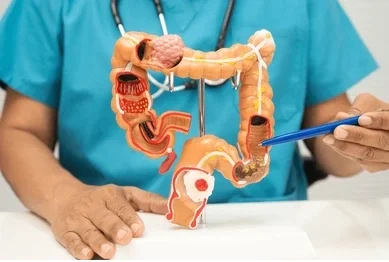
Most rectal cancer treatment plans combine more than one approach. Surgery remains the cornerstone of curative treatment, but it is often preceded by radiation and chemotherapy to shrink the tumor and reduce the risk of recurrence. In selected patients, surgery may even be avoided altogether.
The treatment pathway is designed around the stage, tumor location, and individual circumstances. Modern rectal cancer treatment in Bangalore by Dr. Sandeep Nayak now prioritizes organ preservation, stoma avoidance, and quality of life alongside cancer control.
Can rectal cancer be treated through small incisions? Let’s explore the laparoscopic approach.
Laparoscopic Rectal Surgery
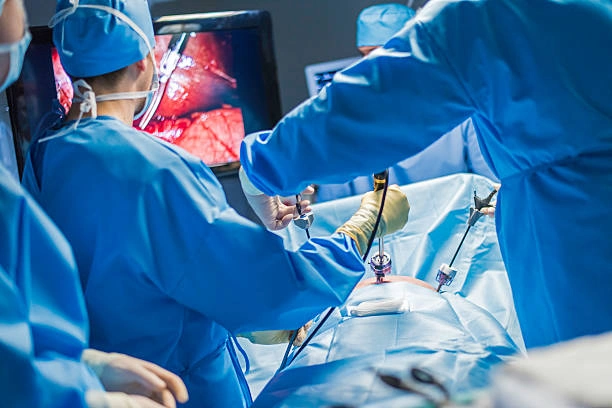
Laparoscopic rectal surgery is a minimally invasive technique in which the surgeon operates through several small incisions using a camera and fine instruments. It allows precise removal of the tumor with significantly less trauma to the body than open surgery.
The benefits include smaller scars, less post-operative pain, reduced blood loss, and a faster return to normal life. It is a well-established approach for rectal cancer and is suitable for many patients depending on the tumor’s size and position. You can read more about laparoscopic colon surgery and how similar principles apply to rectal procedures.
Need Assistance?
A less invasive approach means a smoother recovery. Connect with a specialist to find out if laparoscopic surgery suits your case.
How is robotic technology changing rectal cancer surgery? Let’s discover the advantages it offers.
Robotic-Assisted Rectal Surgery
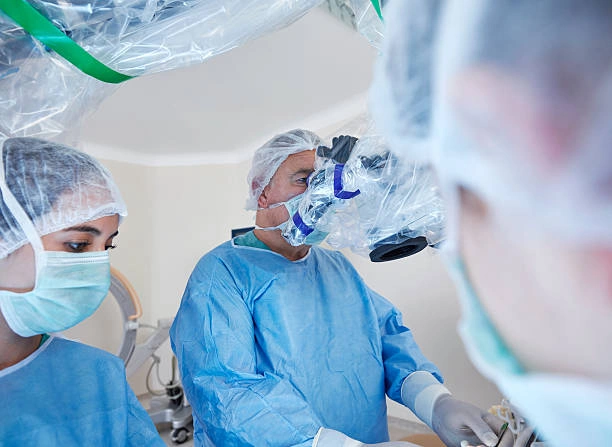
Robotic-assisted rectal surgery represents the most advanced form of minimally invasive surgery available today. The surgeon controls robotic arms with enhanced precision, a magnified three-dimensional view, and a greater range of movement, all of which are particularly valuable in the confined space of the pelvis.
This precision allows more accurate tumor removal, better preservation of surrounding nerves, and greater ability to save the sphincter in low rectal cancers. Learn more about this approach on our robotic-assisted colon surgery page.
Does a low rectal tumor always mean losing the sphincter? Let’s discover how sphincter-saving surgery changes that.
Sphincter-Saving Surgery (ISR) for Low Rectal Cancers
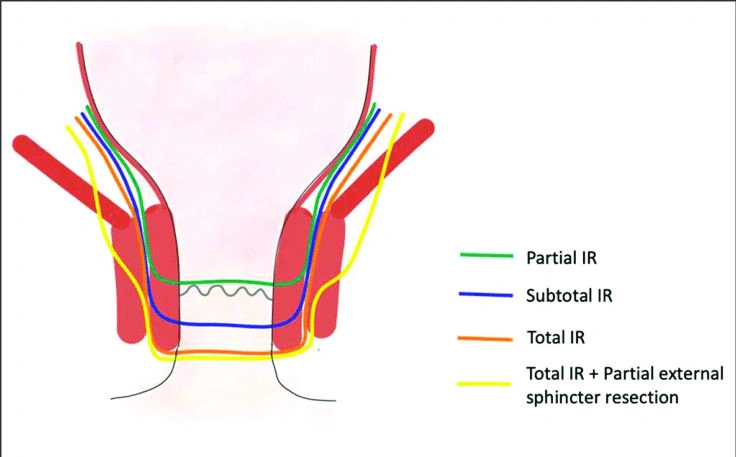
Intersphincteric Resection, or ISR, is a specialized technique that allows the rectum to be removed while preserving the anal sphincter, even in cancers that sit very close to it. This avoids the need for a permanent stoma and allows the patient to maintain natural bowel control.
ISR requires exceptional surgical skill and is not suitable for every patient. Careful selection based on tumor location, size, and sphincter function is essential. When performed by an experienced surgeon, it offers excellent cancer control alongside meaningful preservation of quality of life.
Is avoiding a permanent stoma always possible in rectal cancer? Let’s explore why sphincter preservation is such a priority in treatment.
Why We Avoid a Permanent Stoma

A permanent stoma significantly affects a patient’s body image, daily routine, and quality of life. While it is sometimes unavoidable, modern surgical techniques have made it possible to avoid a permanent stoma in the majority of rectal cancer cases.
Sphincter-saving surgery, ISR, and robotic precision together allow surgeons to remove the tumor effectively while restoring natural bowel continuity. Where a temporary stoma is needed to protect a new bowel join, it is planned for reversal once healing is confirmed.
When and why is radiation used before rectal cancer surgery? Let’s explore its role in treatment.
Radiation Therapy: Pre-Surgery Treatment
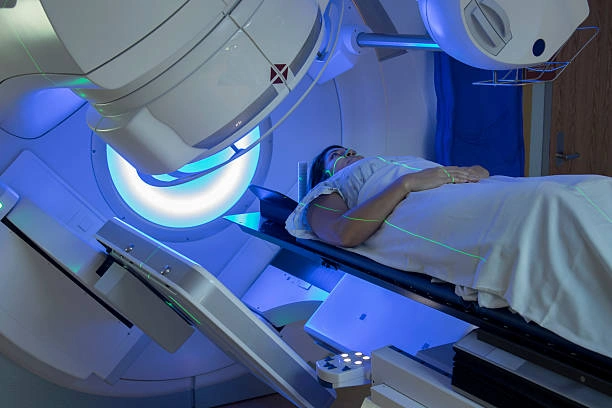
Radiation therapy is most commonly given before surgery in rectal cancer, a practice known as neoadjuvant radiotherapy. It is used to shrink the tumor, reduce the risk of it coming back in the pelvis, and, in some cases, make sphincter-saving surgery possible where it otherwise would not be.
Two main approaches are used:
Short-course radiotherapy:
A five-day course of high-dose radiation followed by surgery after a short interval.
Long-course chemoradiation:
Five to six weeks of radiation combined with chemotherapy, followed by surgery after a recovery period of several weeks.
The choice between these depends on the tumor stage, MRI findings, and the overall treatment plan.
How does chemotherapy fit into the overall rectal cancer treatment plan? Let’s discuss its role before and after surgery.
Chemotherapy: Pre- and Post-Surgery Treatment
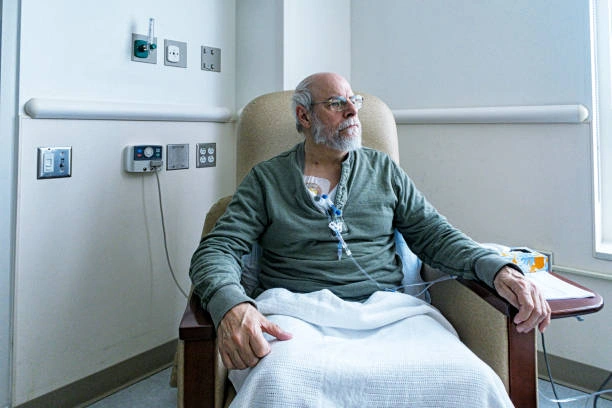
Chemotherapy plays a dual role in rectal cancer treatment. Given before surgery, it works alongside radiation to shrink the tumor and lower recurrence risk. Given after surgery, it targets any remaining cancer cells and reduces the chance of the disease returning elsewhere in the body.
Chemotherapy regimens commonly used in rectal cancer include combinations of drugs such as capecitabine and oxaliplatin. The specific regimen and duration are decided based on the stage and treatment response.
Are there treatment options beyond surgery and chemotherapy? Let’s explore the advanced systemic therapies.
Immunotherapy and Targeted Therapy
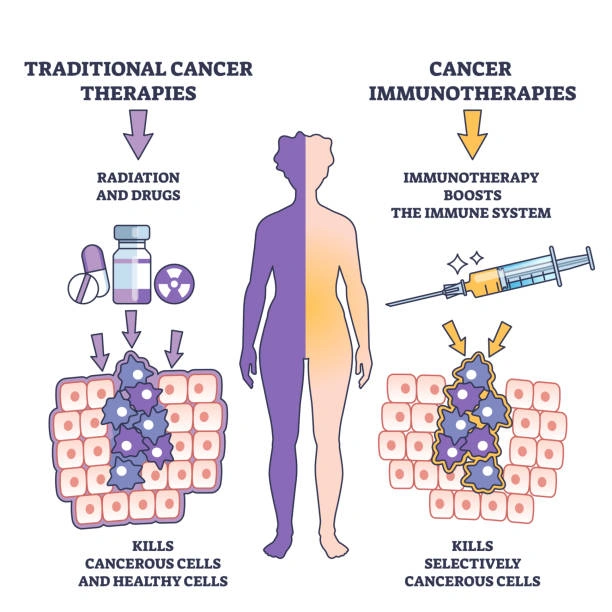
Immunotherapy and targeted therapy represent important advances in rectal cancer care, particularly for advanced or metastatic disease. Immunotherapy works by helping the body’s immune system identify and attack cancer cells. It is most effective in patients whose tumors carry a specific genetic marker known as MSI-H or dMMR.
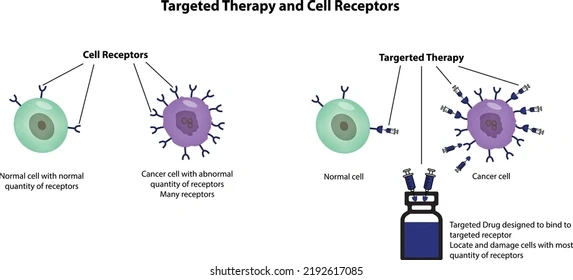
Targeted therapy uses drugs designed to block specific pathways that cancer cells use to grow. These therapies are used when standard chemotherapy is insufficient or when the tumor has specific genetic characteristics that make it responsive.
Is it really possible to treat rectal cancer without surgery? Let’s discover the wait-and-watch approach.
Avoiding Surgery for Rectal Cancer: Wait and Watch
In selected patients whose tumors respond exceptionally well to radiation and chemotherapy, a complete clinical response may be achieved, meaning no cancer can be detected on examination or imaging. In these cases, surgery may be deferred in favor of close monitoring, an approach known as watch and wait or non-operative management.
Patients on this pathway undergo frequent clinical reviews, MRI scans, and endoscopies to monitor for any signs of regrowth. If the cancer returns locally, surgery is performed at that point. For carefully selected patients, this approach avoids surgery altogether without compromising outcomes.
What is the purpose of a temporary stoma and when can it be reversed? Let’s explain how this fits into treatment.
Stoma: Temporary Diversion and Reversal
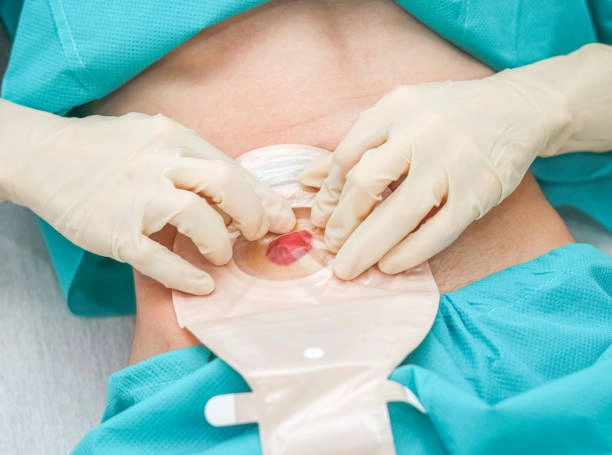
A temporary stoma is created during some rectal cancer operations to protect the newly formed bowel join while it heals. Waste is diverted through an opening in the abdomen into an external pouch, allowing the join to heal without the pressure of normal bowel function passing through it.
Once healing is confirmed, usually three to six months after the original surgery, a planned reversal procedure restores normal bowel continuity. Living with a temporary stoma in the interim is manageable with the right support, and stoma nurses provide hands-on training and ongoing guidance throughout this period.
How does the stage of rectal cancer shape the treatment chosen? Let’s review the approach for each stage.
Choosing the Right Treatment Path for Your Stage
Rectal cancer is staged using the TNM system, which assesses Tumour depth, Node involvement, and Metastasis to distant organs. Together, these define an overall stage from 0 to IV that guides the treatment plan.
Stage 0:
Cancer is confined to the inner lining and is usually addressed with local excision or minor surgery.
Stage I:
The tumor is localized within the rectal wall and is treated with surgery, sometimes preceded by short-course radiation.
Stage II:
The cancer has spread through the rectal wall. Neoadjuvant chemoradiation followed by surgery is standard for most cases.
Stage III:
The cancer has reached nearby lymph nodes. Combined chemoradiation before surgery and chemotherapy after surgery form the standard plan.
Stage IV:
The cancer has spread to distant organs. Treatment combines chemotherapy, targeted therapy, immunotherapy, and surgery where feasible, with CRS and HIPEC considered for selected cases.
The right specialist can change the entire course of rectal cancer treatment. Here is what makes Dr. Sandeep Nayak a trusted choice.
Why Choose Dr. Sandeep Nayak for Rectal Cancer Treatment?

Full Spectrum of Rectal Cancer Care:
Every treatment option, from laparoscopic and robotic surgery to ISR, neoadjuvant planning, and watch-and-wait, is available under one roof, eliminating the need for multiple referrals.
Sphincter Preservation as a Clinical Priority:
Every operative plan is designed around preserving the sphincter wherever clinically safe, with a permanent stoma considered only when unavoidable.
Unmatched Robotic Precision in the Pelvis:
The confined anatomy of the pelvis demands extraordinary surgical control. His robotic technique navigates this space with a level of accuracy that open surgery cannot replicate.
Specialist in Low Rectal Tumors:
Dr. Sandeep Nayak’s expertise in intersphincteric resection allows sphincter-saving even in cancers positioned very close to the sphincter, cases that would otherwise require a permanent stoma.
Temporary Stoma Always Planned for Reversal:
When a diversion is clinically necessary, it is created with a clear reversal pathway and timeline built into the plan from the outset.
Internationally Benchmarked Standards:
A respected oncologist in India whose surgical practice and outcomes align with the highest global standards in rectal cancer care.
Access to Advanced Surgical Technology:
Patients are treated using the latest robotic platforms and imaging systems at top-rated cancer hospitals in Bangalore.
Transparent, Shared Decision-Making:
Every treatment option is explained in clear terms, and decisions are made jointly so patients are informed, prepared, and confident at every step.
Need Assistance?
The right specialist can define the quality of both your treatment and recovery. Reach out to an expert to start your treatment on the right foundation.
FAQ
1. What are the main treatment options for rectal cancer?
The main options include surgery, radiation therapy, chemotherapy, targeted therapy, immunotherapy, and in selected cases, the watch-and-wait approach.
2. Is surgery always required for rectal cancer?
Selected patients who respond completely to radiation and chemotherapy may be managed with close monitoring instead of surgery.
3. What is the difference between laparoscopic and robotic rectal surgery?
Both are minimally invasive, but robotic surgery provides greater precision and a wider range of movement, particularly valuable in the narrow pelvis.
4. What is ISR in rectal cancer?
Intersphincteric Resection is a sphincter-saving technique that removes the rectum while preserving the anal sphincter, avoiding a permanent stoma even in low tumors.
5. Why is radiation given before surgery in rectal cancer?
Pre-surgery radiation shrinks the tumor, lowers the risk of local recurrence, and can make sphincter-saving surgery possible in select cases.
6. Will I need a permanent stoma?
Most patients can avoid a permanent stoma with sphincter-saving surgery. A temporary stoma may be needed, but it is planned for reversal after healing.
7. Can rectal cancer recur after treatment?
Yes. Regular follow-up with scans, blood tests, and colonoscopies is essential for at least five years to detect any recurrence early.
8. What is the role of chemotherapy after rectal surgery?
Post-surgery chemotherapy targets remaining cancer cells and reduces the risk of recurrence.
Disclaimer: The information shared in this content is for educational purposes and not for promotional use.