
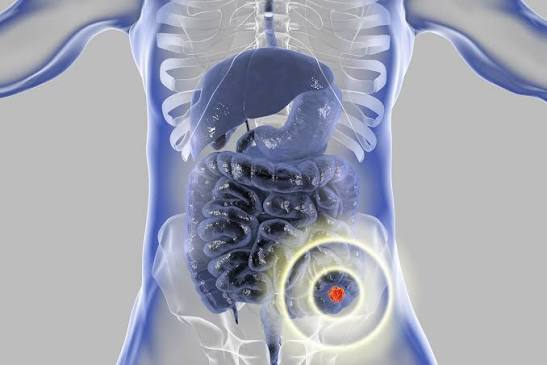
For a select group of rectal cancer patients, chemoradiation works well enough that the tumour becomes undetectable on scans and clinical examination. In these cases, surgery does not always have to follow immediately. Instead, patients may be offered close surveillance in place of an operation, an approach known as wait and watch. It has become one of the more significant developments in rectal cancer care over the past two decades, offering a genuine alternative for patients who respond exceptionally well to treatment.
According to Dr. Sandeep Nayak, colorectal cancer surgeon, “Wait and watch is not a way to avoid treatment. It is an intensive surveillance strategy reserved for patients who have already had a genuine complete response to chemoradiation, and it demands more vigilance from both the patient and the surgeon than surgery would.”
Wondering if you are a candidate for organ preservation?
How the Wait and Watch Approach Actually Works?
Every patient begins on the same path. What differs is what happens once treatment is complete.
- The starting point Patients complete neoadjuvant chemoradiotherapy first, the same pre-surgery treatment used to shrink the tumour before an operation. This part is identical for everyone.
- The response that changes everything In a small proportion of patients, the tumour responds so well that nothing is left to find no lump on examination, nothing on endoscopy, nothing on MRI. Doctors call this a clinical complete response, and it is the one factor that opens the door to this pathway.
- Who this is genuinely right for Not everyone with a good response is automatically offered this route. It depends on how complete the response really is, how the tumour looked at diagnosis, and how prepared the patient is to commit to years of close follow-up.
- What follow-up looks like Exams, endoscopy, and MRI are typically repeated every three months for the first year or two, then every six months once the highest-risk window has passed. This frequency is the trade-off for avoiding surgery.
- If the tumour does return This is understandably the biggest concern for patients considering this path. Most regrowths caught during these scheduled visits remain treatable with surgery, which is exactly why the follow-up schedule is never optional.
If your case does not fit these criteria, that is not a dead end, it usually means moving forward with the wait and watch pathway evaluation for rectal cancer as part of a broader discussion, or with surgery directly if a complete response was not achieved.
Why This Option Exists in the First Place?
Understanding why wait and watch is possible starts with understanding why rectal cancer is treated so differently from colon cancer to begin with.
- The anatomy behind it As covered in our earlier piece on colon vs rectal cancer differences, the rectum sits deep in the pelvis, wrapped around nerves that control bladder and sexual function which is why radiation became a routine part of rectal cancer treatment in a way it never did for colon cancer.
- The turning point Once doctors began seeing tumours disappear completely with chemoradiation alone, an important question followed: if nothing measurable remains, does every patient still need major pelvic surgery?
- The answer for select patients For a carefully chosen group, the answer turned out to be no, provided they remain committed to close surveillance.
- What it means for you This context matters when weighing your own options, and the fuller comparison of how colon and rectal cancer are managed differently is worth reading alongside this one.
Why Choose Dr. Sandeep Nayak for Rectal Cancer Treatment?
Dr. Sandeep Nayak has over 20 years of experience treating rectal cancer across major Bangalore hospitals, leading Surgical Oncology and Robotic Surgery at multiple centres. He also trains colorectal surgeons across India in techniques including ISR and TaTME, and works within a multidisciplinary team to determine when a patient is genuinely suited to organ preservation and when surgery remains the safer course.
Every wait and watch decision carries the same surgical expertise behind it that would apply if surgery were needed. Patients are never choosing between good care and a lesser option, they are being offered a genuine, well-supported alternative.
Call +91 9482202240 to book your consultation.
FAQ
Can any rectal cancer patient choose wait and watch?
No, only patients who achieve a confirmed clinical complete response after chemoradiation are considered candidates.
What happens if the tumour comes back during wait and watch?
Most regrowths caught during scheduled follow-up remain treatable with salvage surgery.
How long does wait and watch surveillance continue?
Close follow-up typically continues for at least five years, with visits every three months initially and every six months later on.
Does wait and watch mean avoiding treatment altogether?
No, it means avoiding surgery after chemoradiation has already produced a complete response; the treatment itself still happens first.
Reference
Disclaimer
This blog is intended for informational and educational purposes only. It does not constitute medical advice. Please consult a qualified medical professional for diagnosis and treatment guidance.