
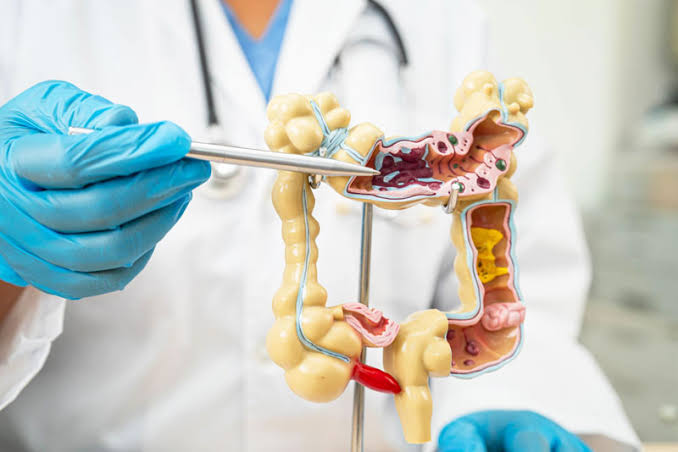
Rectal cancer surgery recovery spans 3–7 days in hospital, followed by 4–8 weeks at home depending on the approach. Minimally invasive procedures allow faster discharge than open surgery. Bowel function takes time to normalise irregular stools, gas, and discomfort are common in the first few weeks. A temporary stoma adds adaptation but rarely extends recovery beyond 8 weeks.
According to Dr. Sandeep Nayak, rectal cancer surgery, “early mobilisation after resection, even within 24 hours of the procedure, significantly reduces the risk of post-operative complications including deep vein thrombosis and ileus.”
Family history of colorectal or endometrial cancer before age 50?
What Happens to Your Body in the First Two Weeks After Rectal Surgery?
The body’s immediate response after rectal resection involves fluid management, wound healing, and gradual reintroduction of bowel function, all of which follow a predictable clinical pattern.
- Hospital Stay: Most patients remain in hospital for 3 to 5 days following laparoscopic resection, during which a urinary catheter and IV fluids are maintained until oral intake resumes without complications.
- Stoma Care: When a temporary loop ileostomy is formed to protect the anastomosis, a stoma nurse guides the patient on pouching systems before discharge, and this training typically takes one to two sessions to complete.
- Pain Pattern: Post-operative pain is most intense in days one and two, after which oral analgesics usually replace IV pain management and most patients report manageable discomfort rather than severe pain.
- Diet Restart: Liquids begin within 24 hours of surgery in most enhanced recovery protocols, progressing to soft solids by day three, though tolerance varies widely between individuals.
Bowel function won’t return to baseline immediately. It’s normal and expected. Most patients regain reasonable control within six to eight weeks. Explore early warning signs of rectal cancer
What Should You Watch Out for During Recovery at Home?
Certain warning signs after rectal surgery require immediate medical review, and recognising them early prevents serious complications from going untreated.
- Anastomotic Leak: Fever, worsening abdominal pain, or foul-smelling discharge from the wound beyond day three can indicate a leak at the surgical join, which occurs in roughly 3 to 10% of rectal resections and demands urgent evaluation.
- Bowel Frequency: Some patients develop low anterior resection syndrome, a cluster of symptoms including urgency, clustering of stools, and incontinence that affects up to 90% of patients after sphincter-preserving surgery to varying degrees.
- Wound Infection: Redness, swelling, or pus at the incision site warrants a call to the surgical team, as superficial wound infections respond well to antibiotics when caught in the first two weeks.
- Fatigue Levels: Significant fatigue for four to six weeks is clinically normal after major abdominal surgery, and returning to desk work before week four is typically too early for most patients.
Most complications, when flagged early, don’t derail recovery permanently. The first six weeks matter most for long-term outcomes. Read: What is rectal cancer and how does it develop
Why Choose Dr. Sandeep Nayak for Colorectal Cancer Surgery?
Dr. Sandeep Nayak is a specialist surgical oncologist with advanced training in minimally invasive and robotic cancer surgery, bringing over [X] years of experience in managing complex colorectal and rectal cancer cases with consistently strong patient outcomes.
Patients consistently report clear pre-surgical counselling, structured post-operative follow-up, and fewer unexpected complications.
FAQ
Is rectal cancer surgery recovery painful?
Post-operative pain is highest in the first two days and managed with IV and oral medications.
How long does the stoma remain after rectal cancer surgery?
A temporary ileostomy is usually reversed within 8 to 12 weeks after healing is confirmed.
Can I eat normally after rectal resection?
Solid food resumes within days, but a low-fibre diet is recommended for the first four to six weeks.
When can I return to work after rectal surgery?
Desk work is possible at 4 to 6 weeks; physical labour requires 8 to 12 weeks minimum.
Reference
Disclaimer
This blog is intended for informational and educational purposes only. It does not constitute medical advice. Please consult a qualified medical professional for diagnosis and treatment guidance.