
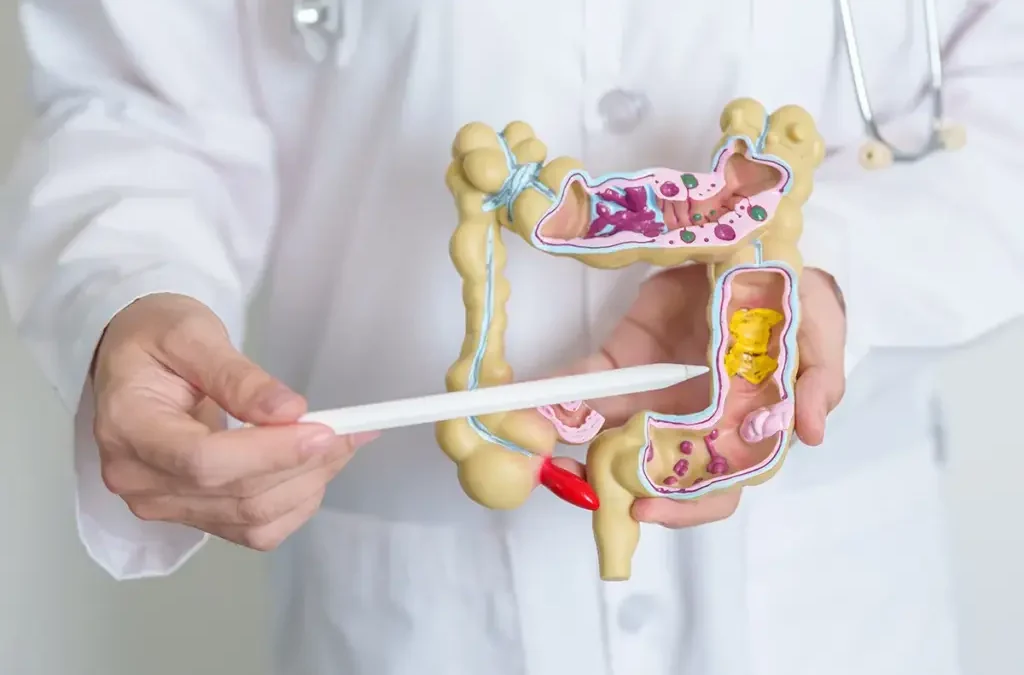
Every year, a steady stream of patients from outside India land in Bangalore specifically to be treated at MACS Clinic, and colorectal cancer is one of the most common reasons behind that trip. Some are driven by cost back home, others by long waiting lists, and quite a few simply couldn’t find a surgeon with real, hands-on experience in sphincter-preserving techniques where they live. Once they start comparing options, travelling for treatment stops feeling unusual and starts looking like the more sensible choice.
According to Dr. Sandeep Nayak, colorectal cancer surgeon, “International patients arrive expecting to compromise on quality because they are travelling for affordability. What surprises most of them is that the surgical precision and technology here matches what they were quoted back home, at a fraction of the cost.”
Considering treatment at MACS Clinic from abroad?
What the Treatment Journey Looks Like?
There’s a bit more coordination involved when you’re flying in from another country, but the clinical side of things doesn’t get watered down for convenience.
- Initial consultation Most patients start things off remotely, sending across their reports, scans, and biopsy results so the surgical team can form a working opinion before anyone books a flight.
- On-arrival evaluation Once you’re actually in Bangalore, a full in-person assessment follows, along with any extra imaging or staging that’s needed, and only then is the treatment plan locked in and surgery scheduled.
- Surgery and hospital stay Laparoscopic and robotic colorectal resections are carried out at KIMS Hospitals or through MACS Clinic, and hospital stays tend to run shorter than what many patients are accustomed to back home.
- Coordination support Behind the scenes, there’s help with visa invitation letters, airport pickup, finding accommodation, and interpreters where needed, so you’re not left figuring out an unfamiliar healthcare system solo.
- Recovery and follow-up A clear post-op care plan goes with you before you fly back, and follow-up continues remotely, usually looped in with your own physician at home.
If you’re still weighing up the surgical approach itself, our page on robotic colorectal surgery breaks down how these procedures actually work and who tends to benefit most.
Why Patients Choose to Travel for This Specific Surgery?
Colorectal surgery isn’t a simple procedure to begin with, and that difficulty is often exactly what pushes patients to look beyond their own country.
- Surgical volume and skill Sphincter-preserving surgery for rectal cancer takes a particular kind of experience, one that isn’t evenly spread across the world, so patients often go looking for a surgeon who’s genuinely done a high volume of these cases.
- Cost difference A procedure that can run into tens of thousands of dollars in the US or parts of Europe usually costs a fraction of that in India, and it’s the same technology, not a scaled-down version.
- Access speed In some healthcare systems, waiting for cancer surgery can eat up months. Here, treatment can often start within days of the first consultation.
- Comparable technology The robotic and laparoscopic systems in use are the same platforms found at major cancer centres internationally, so there’s no trade-off between affordability and equipment.
This lines up with something we touched on in our earlier piece on D3 vs D2 dissection — that it’s surgical skill and technique, far more than geography, that ends up shaping long-term outcomes.
Why Choose Dr. Sandeep Nayak for Colorectal Cancer Surgery?
Dr. Sandeep Nayak has treated patients from across the globe over more than 20 years of practice and holds membership with the Royal College of Surgeons of Edinburgh. As Chief of Surgical Oncology at MACS Clinic and Executive Director of Surgical Oncology and Robotic Surgery at KIMS Hospitals, he’s performed hundreds of laparoscopic and robotic colorectal procedures using the same techniques found at leading cancer centres worldwide.
International patients are walked through every stage of the process, starting with that first report review and continuing right through to the follow-up call after they’ve landed back home, so distance never turns into a gap in care.
Call +91 9482202240 to book your consultation.
FAQ
Do international patients need to travel to India before diagnosis is confirmed?
No, an initial review of existing reports and scans is usually done remotely before the patient travels, to confirm treatment is appropriate.
Is the surgical technology used the same as in Western countries?
Yes, the robotic and laparoscopic platforms used at MACS Clinic and KIMS Hospitals are the same systems used at leading international cancer centres.
How is travel and accommodation handled for international patients?
Visa documentation, airport transfers, accommodation guidance, and interpreter support are coordinated so patients don’t have to navigate this alone.
What happens after an international patient returns home?
A detailed post-operative care plan is provided before departure, and follow-up is coordinated remotely with the patient’s local physician.
Reference
Disclaimer
This blog is intended for informational and educational purposes only. It does not constitute medical advice. Please consult a qualified medical professional for diagnosis and treatment guidance.