
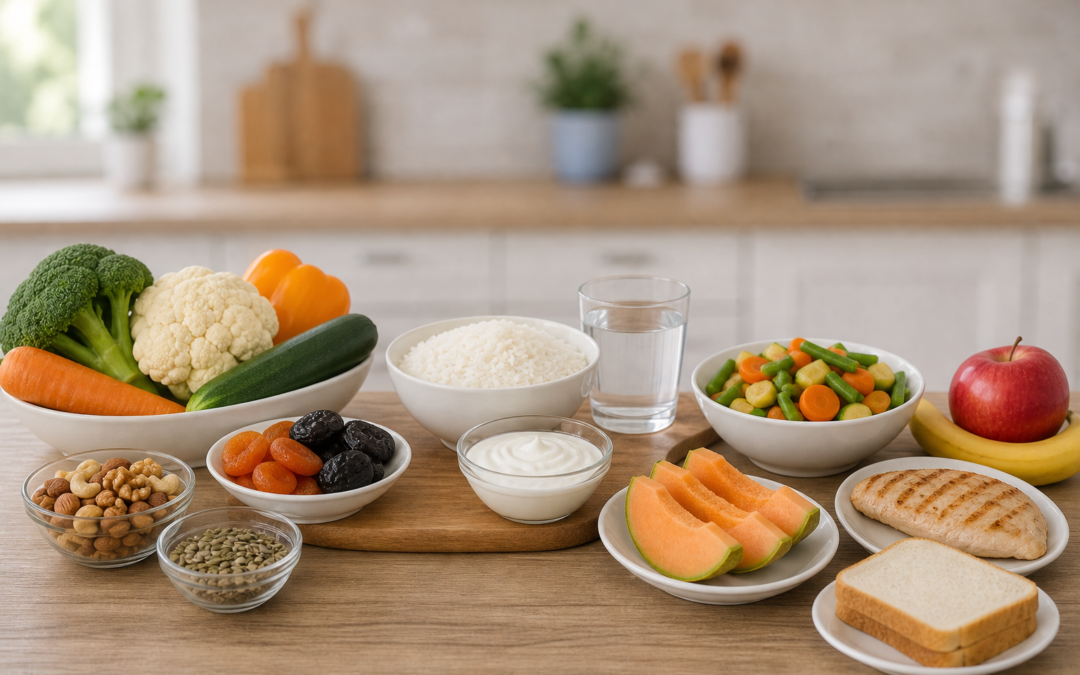
In the first few weeks, the foods that give most trouble are the tough, stringy or hard-to-chew ones: nuts, seeds, popcorn, corn, raw salad, fruit and potato skins, dried fruit and sausage casings. They can jam up a swollen stoma, and that risk is higher with an ileostomy. Beans, cabbage, onions, fish, eggs and fizzy drinks are more about gas and smell. The good news is that most of this is temporary. After roughly six to eight weeks, you try foods back one at a time.
According to Dr. Sandeep Nayak, an experienced colorectal surgeon providing rectal cancer surgery in Bangalore, “People often leave hospital with a long mental list of banned foods. In reality, very few foods are off the table forever. The first six weeks are the tight window, because the stoma is swollen. After that, reintroduce things slowly, one at a time, chew well and keep a note of what your body tells you.”
Just had stoma surgery? Ask your surgical team for a written food list for your first six weeks.
Foods to Avoid After an Ileostomy
Food moves through an ileostomy faster and less broken down, so blockages are more of a worry here. These are the foods to avoid after an ileostomy, especially early on:
- Nuts, seeds, popcorn and corn. Small, hard bits don’t break down and can pile up right at the stoma. They top almost every list. Our post on what a stoma is and whether it can be reversed explains why the opening is so sensitive early on.
- Skins and stringy raw vegetables. Apple and potato skins, celery, salad leaves and coleslaw are the usual culprits. Cooked soft and peeled, they’re far easier. Our page on nutrition and activity after surgery has ideas that work.
- Dried fruit, coconut and tough meat. Raisins, dried apricots and dates can clump together, and sausage casings or gristle are hard to digest. See recovery after colon cancer surgery.
- Whole grains and high-fibre cereals, for now. Brown rice, bran and bread with seeds can wait. Softer, refined choices are easier for the first six to eight weeks. More in life after rectal cancer surgery.
Foods to Avoid After a Colostomy, and Other Common Triggers
These foods to avoid after a colostomy matter too, though the problem here is less often a blockage and more often gas, smell and uneven output. Many of the following apply to both types of stoma:
- Gas makers. Beans, cabbage, broccoli, cauliflower, onions, fizzy drinks and beer. Chewing gum and sipping through a straw make you swallow air too. Our rectal cancer FAQs cover everyday worries like this.
- Smelly foods. Fish, eggs, garlic, asparagus and some spices. Yoghurt, buttermilk, parsley and cranberry juice may help a little. Read why many people don’t need a permanent bag in why we avoid a permanent stoma.
- Foods that loosen output. Spicy, greasy and deep-fried dishes can speed things up, as can very sugary drinks. See our overview of rectal cancer treatment for the wider care picture.
- Skipping meals, and drinking too little. An empty stomach can cause more gas and watery output, and an ileostomy raises the risk of dehydration. For the long view, read rectal cancer cured without stoma.
What Determines the Right Diet After a Colostomy or Ileostomy?
There isn’t one list that suits everybody. Your team and dietitian will look at:
- Which stoma you have. An ileostomy comes off the small bowel, a colostomy off the colon. That changes blockage risk, output and how much water you lose. See sphincter-saving surgery for how surgeons try to avoid a permanent stoma.
- How long since surgery. The stoma is swollen at first. As it settles, foods that were off-limits often come back.
- How your own body reacts. Tolerance differs a lot. Try one new food, wait a day, and write down what happens.
- Your other treatment and health. Chemotherapy can cause diarrhoea and a sore mouth, which changes what you can eat. Read about chemotherapy and targeted therapy.
Key Takeaways
- The riskiest foods early on are nuts, seeds, popcorn, corn, skins, raw stringy vegetables and dried fruit.
- Blockages are more of a concern with an ileostomy than a colostomy.
- Beans, cabbage, onions, fish, eggs and fizzy drinks mostly cause gas and smell, not blockage.
- Most restrictions are temporary. After about six to eight weeks, reintroduce foods one at a time.
- Chew well, eat regular meals and drink enough. Call your team if output stops or you’re in pain.
FAQ
Are there foods I have to avoid forever after a stoma?
Usually not. Most people return to a fairly normal diet over time. A few find certain foods keep causing trouble, and those are best left out.
Can I eat salad and raw vegetables?
Not in the early weeks. Later, try small amounts, chew them thoroughly and add one at a time. Cooked, peeled and soft is the safer way back.
What are the signs of a food blockage?
Cramping belly pain, a swollen stoma, a bloated tummy, nausea, or output that suddenly slows or stops. If it doesn’t ease, or you’re vomiting, contact your surgical team or go to hospital.
How can I cut down gas and smell?
Eat at regular times, chew slowly, and go easy on beans, cabbage, onions and fizzy drinks. Yoghurt, buttermilk and parsley can help with smell. Special bag deodorants also work.
Reference
Disclaimer
This blog is intended for informational and educational purposes only. It does not constitute medical advice. Please consult a qualified medical professional for diagnosis and treatment guidance.