Every year, a steady stream of patients from outside India land in Bangalore specifically to be treated at MACS Clinic, and colorectal cancer is one of the most common reasons behind that trip. Some are driven by cost back home, others by long waiting lists, and quite...
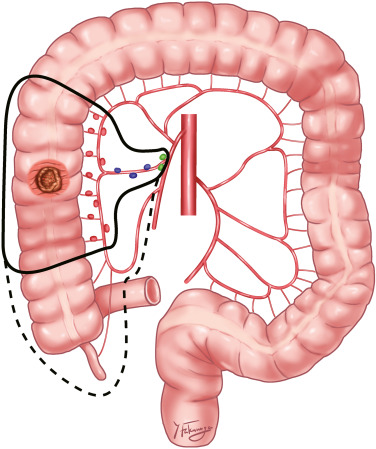
When colon cancer surgery is being planned, one of the most important decisions a surgeon makes has nothing to do with the tumour itself it has to do with how many lymph nodes are removed along with it. This is where the terms D2 and D3 lymph node dissection come in....
For a select group of rectal cancer patients, chemoradiation works well enough that the tumour becomes undetectable on scans and clinical examination. In these cases, surgery does not always have to follow immediately. Instead, patients may be offered close...
Colorectal cancer is diagnosed early through colonoscopy, stool tests, CT imaging, and blood marker assessment. Colonoscopy is the most reliable method, allowing direct visualisation and biopsy of the bowel lining in a single session. Early detection before the cancer...
Most adults should start colon cancer screening at age 45. That applies when there is no family history, no prior polyps, and no known bowel condition. Some people need to start earlier. A parent diagnosed in their fifties, years of ulcerative colitis, or a confirmed...
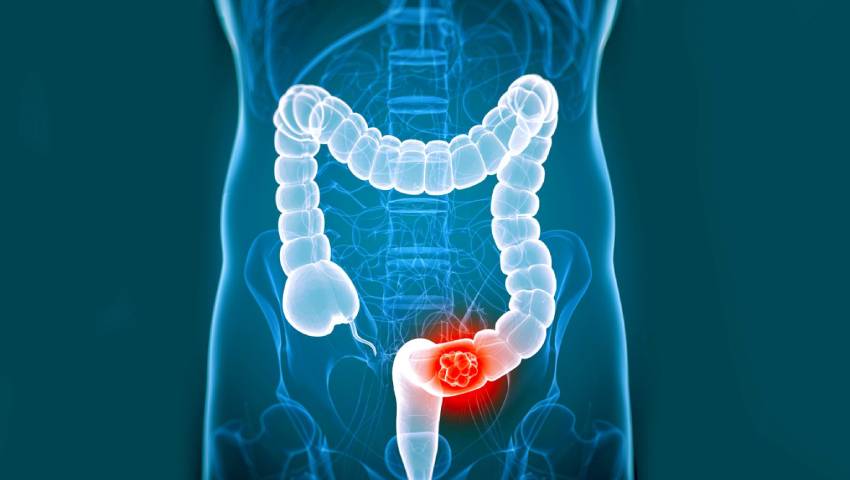
Colon cancer and rectal cancer are not the same disease. Both fall under the colorectal label but they develop in different parts of the large intestine and require different treatment approaches. Colon cancer forms anywhere along the upper 1.5 metres of the large...